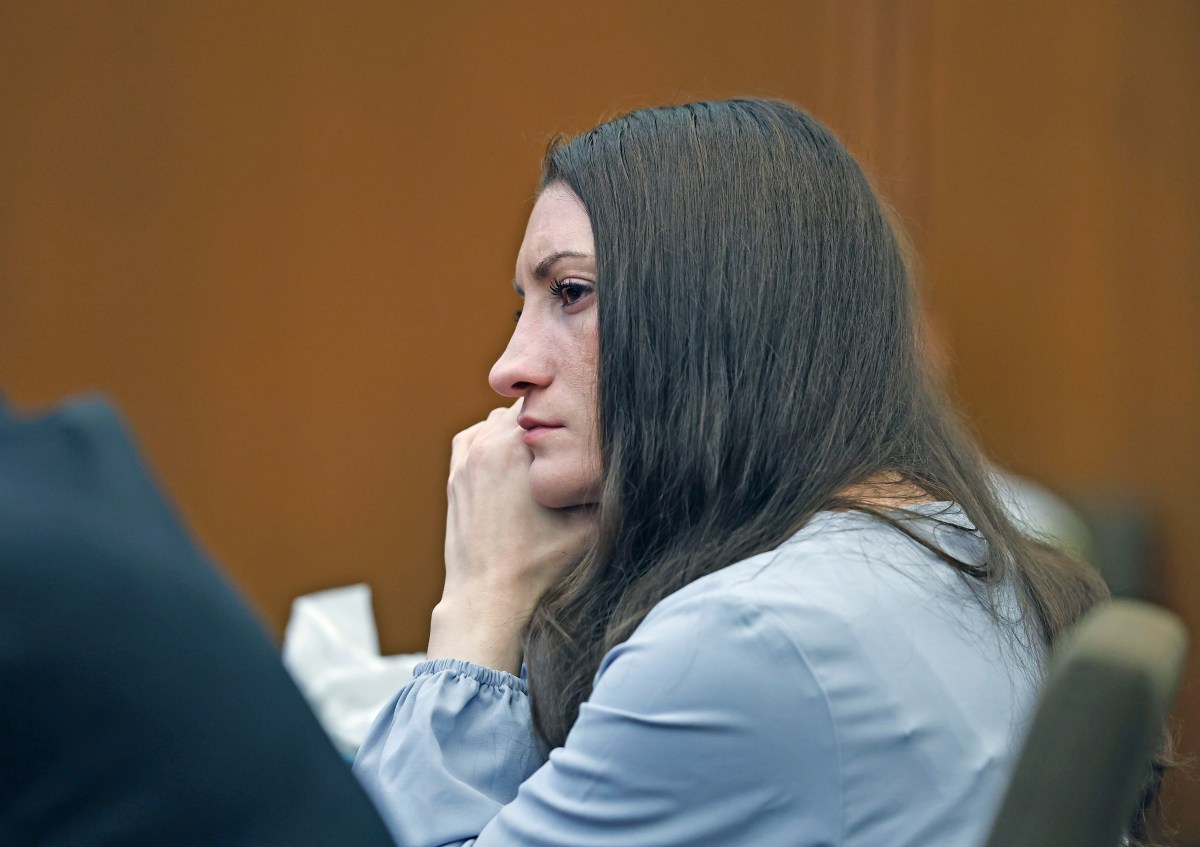
As jurors deliberate in the murder trial of Massachusetts mother Lindsay Clancy, comparisons to one of the most notorious maternal filicide cases in American history have intensified. Twenty-five years after Andrea Yates drowned her five children in Texas and was ultimately found not guilty by reason of insanity, Clancy's case is reigniting debate over how the legal system responds when severe mental illness and violent crime intersect. Both women were accused of killing their children amid allegations of serious psychiatric illness.
Yet the cases reflect vastly different eras in how postpartum mental health is understood, diagnosed and treated, raising questions about whether greater awareness translates into better outcomes for families in crisis. "I was in training with Dr. Resnick when he testified in the Andrea Yates case and I attended the trial with him.
I think now, with social media and live-streaming of the trial, more people are hearing about the case, and the nuances of postpartum mental illness," Susan Hatters-Friedman, the Phillip J. Resnick Professor of Forensic Psychiatry at the Case Western Reserve University School of Medicine and adjunct professor at the university's School of Law told Newsweek. Yates' case helped transform public awareness of postpartum psychosis and severe maternal mental illness in the early 2000s.
Since then, medical understanding of postpartum psychiatric disorders has expanded significantly, and mental health professionals say mothers today are more likely to be screened and treated than they were a generation ago. Yet Clancy's case has highlighted a lingering question: If warning signs are recognized and treatment is available, can tragedies still occur despite intervention? The answer could influence not only the jury's verdict but also how courts, doctors and policymakers approach severe psychiatric illness in parents.
The similarities between the two cases are striking. Both involve mothers accused of killing their children while family members and experts pointed to serious mental health conditions. But Jamie Rosen, partner and chair of Meister Seelig & Schuster's Mental Health Law Group, told Newsweek the cases ultimately reflect two different failures within the mental health system.
"The comparisons between Lindsay Clancy and Andrea Yates are inevitable," Rosen said in an emailed statement Saturday. "Both cases force the public to confront the devastating consequences of severe mental illness. But they are also products of very different eras." Rosen noted that when Yates killed her children in 2001, public awareness of postpartum psychiatric disorders was far more limited.
Extract — continue reading at the source.