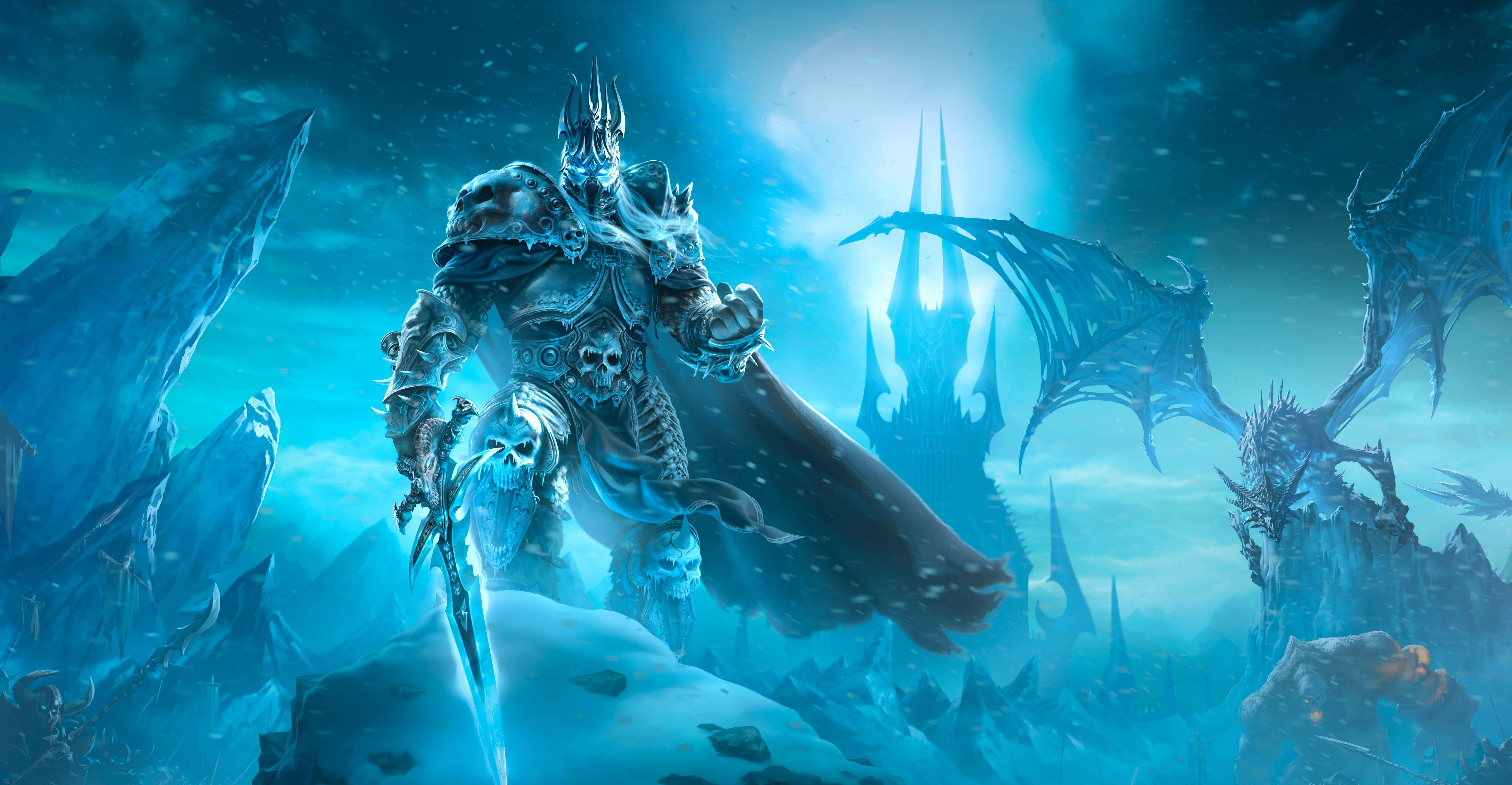
The Dungeons & Dragons: World of Warcraft Gameplay Expansion allows Dungeon Masters to run games in the world of Azeroth where players battle bosses in dungeons inspired by the MMORPG. But lead designer James Wyatt never wanted those adventures to feel too much like the video game. What this book is about is the world, and how to make that world the setting of your D&D game.” D&D 4th Edition was released in 2008, four years after the launch of WoW, and it entirely reworked the 3.5 Edition ruleset by turning both weapon attacks and spells into a set of powers that could be used at will, once per encounter, or daily.
The shift, combined with language that divided classes into roles like Defender, Striker, and Leader, led many players to criticize the new rules as being too much like WoW. His team considered creating mechanics for managing enemy aggro, but decided to just stick with the already present rules for a Battle Master Fighter’s Goading Attack and the Protection Fighting Style feat. Sometimes more transformative work was needed, like replacing many Paladin class features to turn them into Death Knights.
Paladins got all this light and healing stuff, and that doesn’t really fit the Death Knight flavor, so let’s change that to death and necrotic damage and darkness stuff.” Wyatt’s biggest challenge was evoking the feel of a WoW Shaman in D&D. He eventually settled on a redesign of Barbarian that swaps out Primal Knowledge for the ability to create totems that can help allies and hinder enemies. Wyatt is currently playing the class himself and took the feat Magic Initiate (Druid) to further mimic the WoW class that blends melee fighting and primal magic.
There’s a lot of possibilities for how you conceptualize the character within that framework.” While D&D’s World of Warcraft spells are designed to evoke abilities from the video game, Wyatt expects many of them will make their way into D&D games that don’t take place in Azeroth. DMs will still want to use their discretion with some of the more unusual options like Arcane Pulse, a cantrip designed for Nightborne Elves that slows enemies in a burst instead of scaling in damage like most cantrips. They serve to remind DMs that they shouldn’t try to make their games feel like an MMO.
Dungeons might take multiple sessions to clear rather than being fought through in a few hours. Characters are going to want to find creative ways to interact with the world and NPCs rather than just following preset paths and killing everything they encounter. It’s not massively multiplayer.
It’s minimally multiplayer.”
Extract — continue reading at the source.