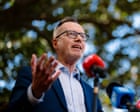
As One Nation’s polling surged this year, and Pauline Hanson ate away at the votes of first the Coalition and then Labor, one curious mainstay emerged; the Greens remained seemingly anchored to the 10-12% range, no matter which poll you look at. That’s despite the fact that, arguably, there’s rarely been more fertile political ground for the Greens leader to reap rewards; a centrist Labor government with a big majority but increasingly on the nose, a resurgent anti-immigration populist party backed by Australia’s richest mining billionaire, a Coalition in disarray, a cost-of-living crisis set ablaze by rising interest rates and inflation, and a public increasingly alarmed about the nexus of big tech, big datacentres and shadowy AI oligarchs operating with impunity. David Shoebridge, in his first comments as the new Greens leader, seemed to acknowledge the party should, and could, be doing better.
We can feel that politics as usual is not providing the answers that people are desperately calling for now.” Moments after winning Wednesday’s party-room ballot, Shoebridge, a former corporate lawyer, councillor from Woollahra in Sydney’s affluent eastern suburbs and state upper house MP, signalled he would take a more combative approach to not only One Nation, but the government as well. He argued the Greens were “not here to reform the Labor party. We are here to replace the Labor party.” Arguably a message about cost of living should resonate better when it comes from a party that didn’t receive a private plane as a gift.
Progressives in Australia have been buoyed up by the successes of socialist outsider candidates in the US and UK, but there have been quiet frustrations inside the Greens that they haven’t managed to emulate the likes of Zohran Mamdani, Alexandria Ocasio-Cortez and Zack Polanski in the United Kingdom. Shoebridge says the Greens must both fill a “vacuum” left by Labor and “recognise” the factors driving disaffected voters to Hanson. Another task, of course, is internal.
The Greens usually decide leaders by consensus, but Shoebridge won a rare contested party-room vote. He saw off challenges from Mehreen Faruqi and Sarah Hanson-Young, initially winning six of 11 votes. Shoebridge was last to publicly declare his hand, and the optics of a white man besting two women more experienced in federal politics will surely be dissected by some in the party.
Faruqi, shortly after the result was decided, said she was “disappointed the party chose another direction” and claimed “many others will feel the same way”. She said ordinary party members felt “frustration” the leadership was decided by politicians, not grassroots membership; Shoebridge earlier had said he supported grassroots involvement in choosing leaders, and will be held to this. He also will preside over a critical period of renewal for the Greens, with the veteran senator Peter Whish-Wilson already having left parliament, and South Australian senator Barbara Pocock not contesting the next election.
There is a push on from some in the party’s more activist ranks for those spots to be given to younger, digitally savvy, vigorous campaigners in the mould of the US “democratic socialist” movement. One key point to look out for is Shoebridge’s strategy for negotiating with Labor on legislation. Bandt campaigned at the 2022 election on pushing Labor to go further, but government sources pinned his unexpected defeat in 2025 on the Greens playing hardball on housing legislation.
Extract — continue reading at the source.