With TIFF premiere “Ancestors,” Irish filmmaker David Turpin creates a story about the simple acts of human connection, love and how our dreams and fantasies can boost our spirits when everything else fails. Set in the late 1980s in London, when the HIV-AIDS crisis was killing off generations of primarily gay men, “Ancestors” asks the audience to remember. The character-driven narrative focuses on Beau (Éanna Hardwicke), an Irish immigrant looking for community in London, and a place to be himself, freely.
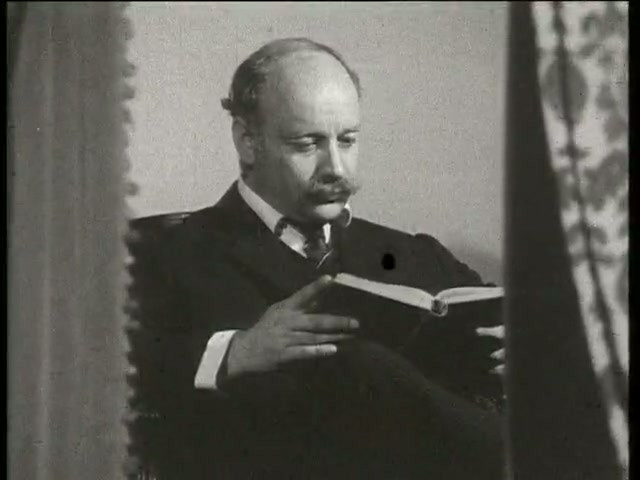
He lives with best friend Michelle (Jessica Reynolds), works in the cafe run by aging “auntie” to the young gay men in the neighborhood Maurice (Ruper Everett). Maurice also makes sure the youngsters understand the importance of the movie stars he loves — their pictures are all over the walls of the cafe and his house. Christina Hendricks plays one of those stars, in a role that is as much metaphor as it is real.
When Tiny (Jack Wolfe) enters their lives, Beau’s carefully built life changes irrevocably. And this was quite a sobering moment because some of the younger cast had never seen a cassette before,” says Turpin. I was born in 1982, so I was a small child at the time that people think of as the height of the AIDS crisis, and yet it’s reverberated through my entire life.
Continues to reverberate through my life and many people’s lives, I think in ways that we’re not always conscious of, or aware of, or don’t stop to think about. And often when there is an event like this, a kind of a fissure in history, our instinct is not to look back at it, not to not to think about it, and then sort of not to be aware of the ways in which it’s continuing to haunt us. And I suppose, for me personally, I think a lot of people of my generation and even later generations feel this absence of our elders, and whether they were people who died or people who were just so hurt by the by the crisis that they withdrew and became inaccessible to us.
There’s certainly been times in my life when I felt very alone and wished I had some sense of continuity, and I wondered what it might have been had it been possible to have that, and I think the film grew out of that. What was it like to have Rupert Everett in the film? It was a privilege to have Rupert because Rupert was there and saw it with his own eyes, and he was very generous with me in telling me about his real experience of being in London at that time.
His character reveres the old screen goddesses. I think that people have a very small and often very wrong idea about camp now, and about, for example, the relationship that older gay men might have had with stars like Joan Crawford or Bette Davis. It’s all a bit of a joke.
Extract — continue reading at the source.