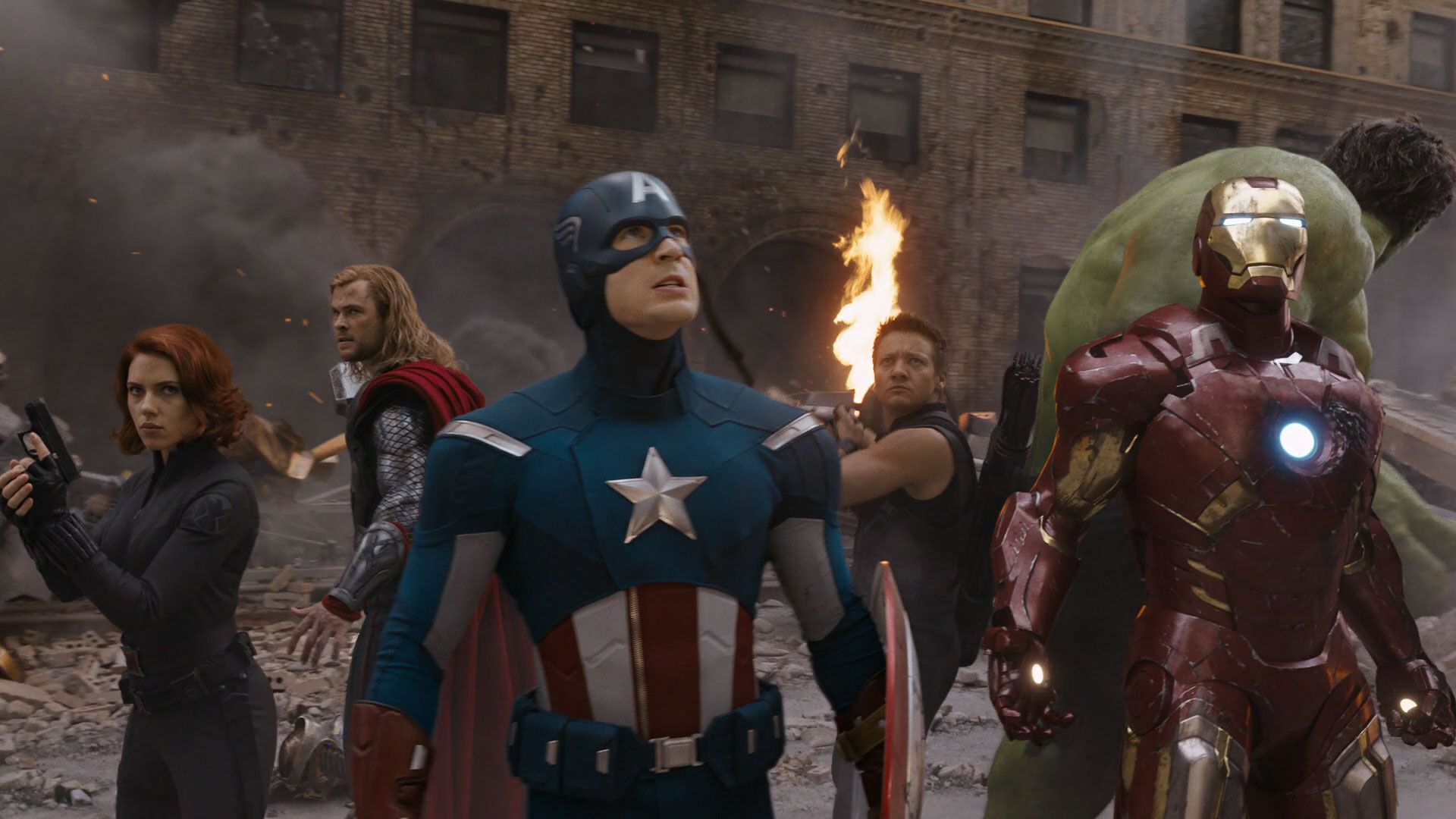
But it’s not just a few phrases: themes, motifs, grievances, and biases recur throughout Sorkin's body of work and again in The Social Reckoning, Sorkin's just-released sequel to the The Social Network, the Mark Zuckerberg biopic that won him a screenwriting Oscar in 2011. If you're planning to defy Reckoning's Metascore of 52 (at press time) and check it out, here's some of the Sorkin Reckoning you might find yourself doing. Commentators had already called out Sorkin's trouble writing female characters before he joked about it in a 2011 episode of 30 Rock, mansplaining writing to Tina Fey’s Liz Lemon in a cameo as himself.
But acknowledging the issue did not cure Sorkin of this deficiency. In The Social Reckoning’s prologue, the hokey “White Girl Wasted,” we meet Kaylee (Portia Doubleday), who’s standing next to an overheated car, telling the cops she doesn't need their help. Things escalate until Kaylee starts shooting a phone video bigotedly confronting them for "coming at" her and is finally arrested when she threatens to kill one of their colleagues.
We later find out from Facebook staffer Frances Haugen (Mikey Madison) that Kaylee volunteered for progressive causes and supported a Democratic nominee against whom she came to believe the DNC rigged the process. This candidate isn't named, but the implication seems to be that her preferred non-establishment candidate was Bernie Sanders (and, based on Sorkin's 2024 suggestion that Joe Biden drop out of the presidential race to clear the way for the Democrats to nominate Mitt Romney, we can assume Sorkin does not align with Kaylee's 2016-era politics). Regardless, whistleblower Frances believes Facebook's algorithm pushed Kaylee, a disgruntled leftist Democrat who spent over nine hours a day on the platform, toward extremist right-wing groups.
But it’s not only women who are portrayed as credulous marks for the algorithm—for instance, Frances goes on a date with a guy who thinks ingesting chlorophyll will act as a natural deodorant because "it's all over Facebook." Later on, when Sorkin stages the Capitol insurrection, whose actual rioters were overwhelmingly male, Kaylee is our only touchstone character. Elsewhere in the movie, we see Jeremy Allen White’s Jeff, a Wall Street Journal reporter, addressing a male intern by name and a female one (Kelley Pereira's Evelyn) as "Girl Intern"; Later, Frances fails to catch a towel Jeff throws at her because women can't sport (see also: her disbelief that a basketball player Jeff's watching on TV would be air-punchingly happy about tying the score). When Jeff refers to Woodward and Bernstein having been Metro reporters at the Washington Post, Frances thinks he’s calling them metrosexuals.
Even after Frances explains to Jeff that she's moving to Puerto Rico for the warm weather because her celiac disease has caused her to suffer from neuropathy, Jeff snits that he's going to have to start from scratch with a new source "because of gluten." When we're not with Frances, we're flashing forward to Mark Zuckerberg’s (Jeremy Strong) preparation for his Senate testimony. While crisis PR pro Raya Akinola (Wunmi Mosaku) teaches Mark to address Senators respectfully and nod less robotically, a young blonde staffer named Blair repeatedly interrupts to suggest various neckties. And though this is a significant decision for an event that's going to be photographed and aired around the world, the script renders her interventions superficial.
At least we can say Sorkin doesn't play favorites when it comes to the girls and women he's ready to mock: Blair is played by Roxy Sophie Sorkin, his daughter. Those of us who had tracked Sorkin's disdain for online culture (and…maybe the existence of the internet itself) since the mid-2000s were gratified by Porter's 2014 three-quel “Sorkinisms III - Aaron Sorkin on the Internet.” As this compilation proves, the internet has fascinated and bedeviled Sorkin since at least the early aughts. Back then, when I moderated the message boards on Television Without Pity, the TV recap site I co-founded, Sorkin occasionally posted about The West Wing.
Extract — continue reading at the source.