After a lot of unfulfilled promise in the 1990s, it came back strong with the 2016 release of the Oculus Rift. For a while, it looked like VR, AR, XR, the metaverse, or whatever you wanted to call it, was going to be huge. Mark Zuckerberg was certainly convinced, and even Apple got in on the hype with its Vision Pro.
But by then momentum for alternate realities of every acronym was already in steady decline, and it only dwindled from there. The rate of development of new headsets has slowed, with many companies (including Apple) scaling back or shelving their efforts. While new releases like the Steam Frame and Pimax Dream Air are still happening, many of the most interesting developments in the space these days are on the enthusiast front.
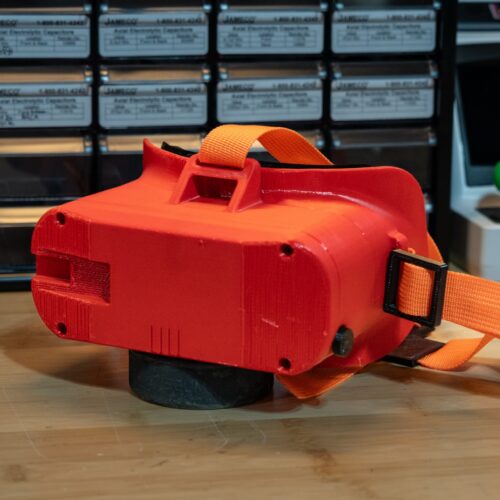
That’s right, DIY VR is a thing, and with a couple hundred dollars in components, plus many hours of your time, you too can enter the immersive world of virtual reality while also experiencing the highs and lows of soldering, firmware flashing, and 3D printing. I rode that rollercoaster myself and learned why this is still a decidedly niche movement. I stumbled into this space about a year ago.
I primarily use VR for sim racing to practice driving the world’s greatest cars on the world’s greatest tracks while at home in my pajamas. At that time, I was using an HP Reverb G2, a virtual reality headset built around the Windows Mixed Reality (WMR) standard. As part of its own cooling on VR tech, Microsoft was nixing support for WMR, and I feared that I might need a new headset. (I need not have worried.
Many talented folks have kept WMR headsets alive through third-party drivers like OASIS on Steam.)
Extract — continue reading at the source.