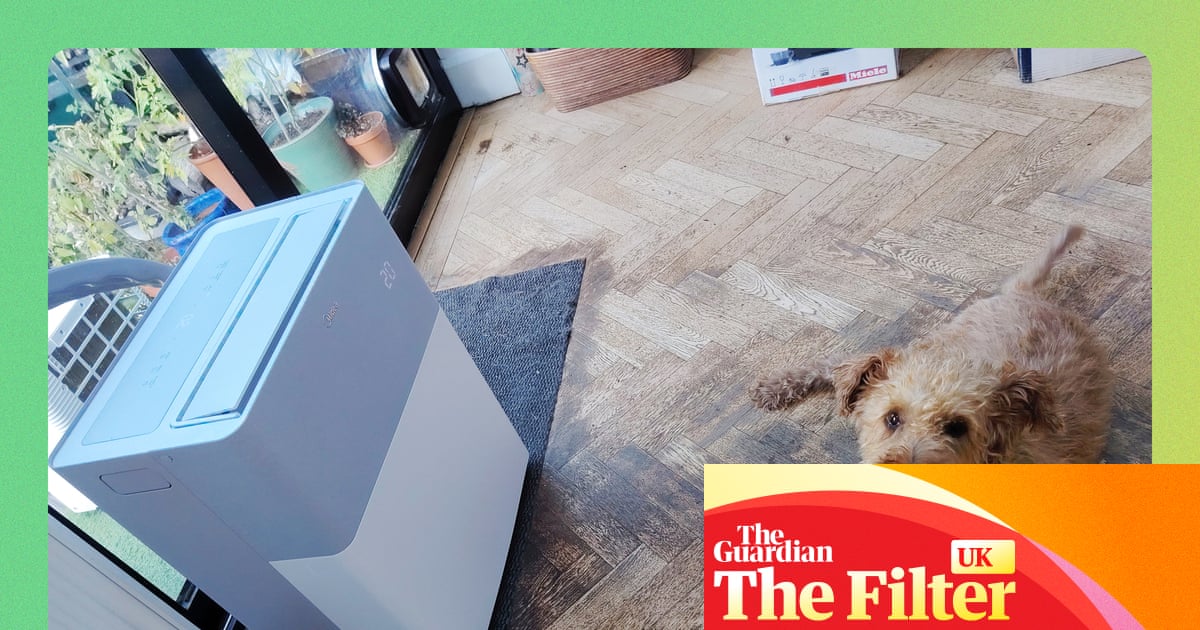
Tell people you’re testing air conditioning, and the truth soon comes out: far more people have aircon than you’d ever imagine. It’s a guilty secret, the home improvement equivalent of Botox or weight loss jabs – everyone notices the results, but nobody admits to the method. Most portable aircons are in bedrooms, hidden away from visitors, so they’re easy to keep secret.
And while friends with aircon don’t suddenly look younger or slimmer, they do look suspiciously well rested during a heatwave, while you’ve spent the night tossing and turning. So if you’re using an aircon unit, why have it in the bedroom? Warm air rises, so upstairs bedrooms can be the hottest by the end of the day, making for restless nights.
And if your bedroom is in a loft conversion, it’s even worse: the roof absorbs the sun’s heat all day before radiating it back into the room after dark. Most UK homes are built to retain heat, not shed it. Cooling an entire home is difficult and expensive, but a single aircon unit can make at least one room – and a good night’s sleep – more achievable.
So, should you get aircon? And if you do, should you feel guilty about it? It depends on how you power it, whether the machine is built to last, and whether you really need it.
We are in a climate crisis. This year’s hot summer hasn’t been a blip. In fact, extreme heat and flooding will worsen in the coming years.
We got into this mess by burning fossil fuels, and we continue to do so, so the carbon footprint of your cooling matters. You could be making the problem worse by opting to have air conditioning. Unless you’re on a renewable tariff – or even better, producing itself yourself with solar panels – electricity use accelerates climate breakdown. (If you are looking to move to a renewable tariff, it’s worth researching those that invest most in renewables.) Before you buy, read the “What you need to know” section at the bottom of this page on the global warming potential (GWP) of refrigerants.
Extract — continue reading at the source.