Just weeks after Hurricane Helene devastated the American South in 2024, Dolly Parton stood on a stage in her iconic blonde wig, with a song on her lips. She promised the flood-ravaged community in her native Tennessee — to the tune of her classic song “Jolene” — that “we're all here to mend these broken hearts.” For the music legend and multimillionaire businesswoman, that meant using her wealth for good. That day, she announced a $1 million donation, matched by her Dollywood companies and their partners, to an Appalachian relief nonprofit.
It's one of the enduring images of the charismatic humanitarian, whose good humor and straightforward generosity lifted the well-being of communities in her home state and beyond. Fans across generations and geographies say it will remain part of Parton's legacy. She died Tuesday at the age of 80.
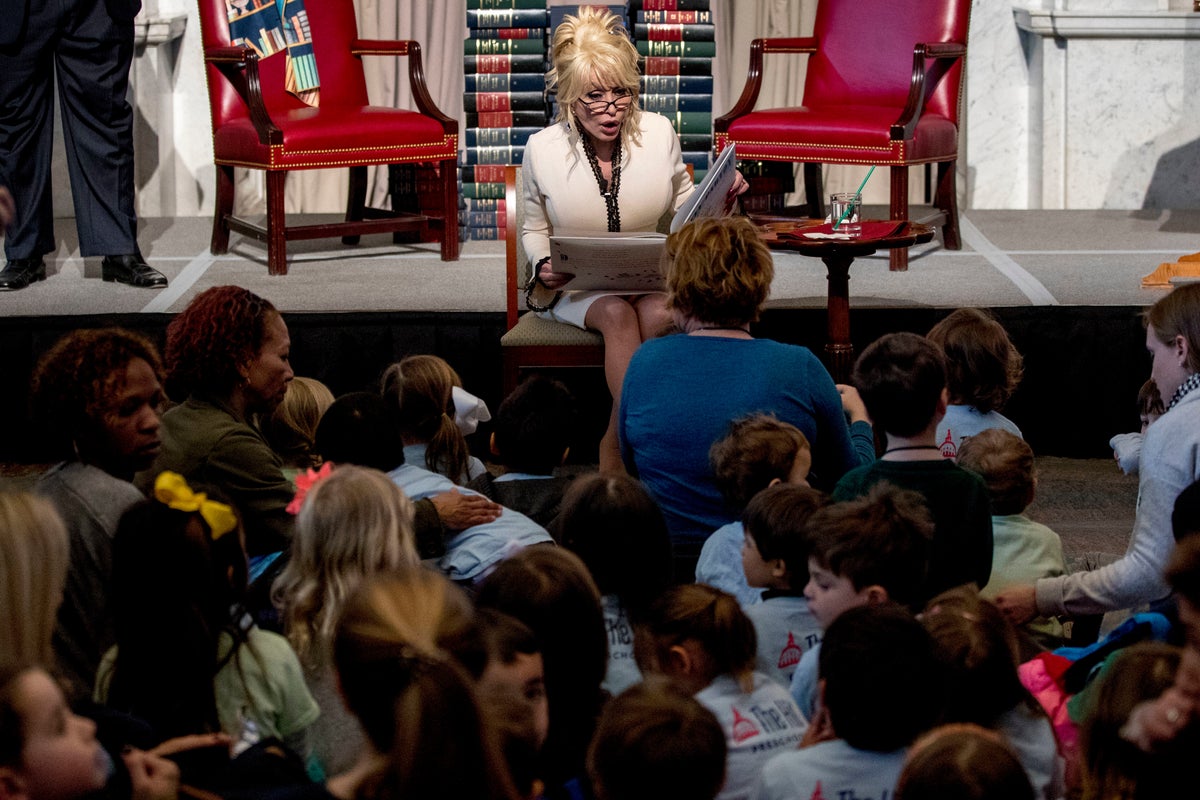
I just see a need and if I can fill it, then I will.” The Library of Congress called Parton a “titan of children's literacy” for the millions of free books provided monthly through her Imagination Library. Also well-known is the $1 million gift she made to Vanderbilt University's Medical Center to help develop Moderna’s COVID-19 vaccine. The not-for-profit Dolly Parton Children's Hospital recently received an undisclosed sum to improve pediatric care across eastern Tennessee.
Then there's the quieter giving that the public was still uncovering in her final years. Internet sleuths realized she'd long paid for many Tennessee high schools' band uniforms. She bought a Nashville strip mall with her “I Will Always Love You” songwriting royalties to support the surrounding Black neighborhood.
The simplicity of her solutions is what made Parton so “magical,” according to Stacia West, the co-founder of the University of Pennsylvania’s Center for Guaranteed Income Research and an associate professor at the University of Tennessee. West studied Parton’s $12 million fund for families who lost their homes in the 2016 fires that swept through Sevier County, Tennessee. Through The My People Fund, as it was called, Parton's foundation provided families $1,000 per month for half the year with no strings attached.
The concept of providing unconditional cash was much more “taboo” at the time, West recalled. That trust in the fund’s beneficiaries to exercise their own agency is one lesson that West said philanthropy can take from Parton. Parton applied the same framework to her reading initiative, West noted.
Extract — continue reading at the source.