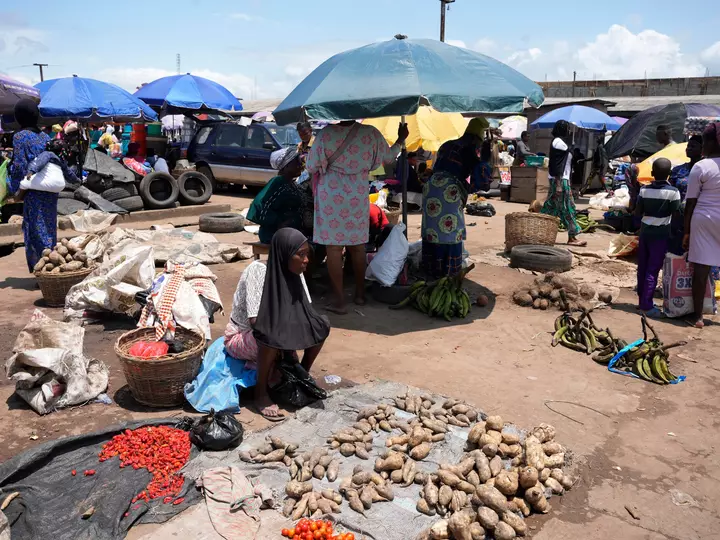
Lagos, Nigeria – Half an hour after Nurudeen Sanni and his crew began shooting a documentary in Ajah, several men surrounded them and demanded 100,000 naira (about $75) before they could continue filming. As the crew negotiated, one of the men slapped a crew member who tried to protect the cameras. A scuffle broke out, and the men produced knives and cutlasses.
The crew fled, but one member was stabbed in the neck and seriously injured, Sanni said. His experience illustrates the risks that filmmakers, content creators, photographers and journalists say they face while working on the streets of Lagos, Nigeria’s largest city and commercial hub. Men locally known as agberos, a term commonly used for street touts, including some who collect levies from commercial transport operators, have been accused of demanding money from people filming in public and threatening those who refuse to pay.
In August, music video director ThankGod Omori, known professionally as TG Omori, described a night shoot in Ikoyi that was disrupted at about 3am by a crowd demanding money. He said he left the set in the hands of his assistant directors and security personnel, with one scene still unfinished. The following morning, he learned that the men had broken through a gate and injured a security guard who had refused them entry, according to Nigerian newspaper PUNCH.
Actress and content creator KieKie has also described being confronted by men after filming a short video in Obalende. She said they initially demanded one million naira (about $750), but she paid approximately 700,000 naira (about $525) after negotiations. For a separate shoot around Kara, near Berger, she said she spent close to 500,000 naira (about $375) on security.
Stanley Ikechukwu, an analyst at Lagos-based risk advisory firm SBM Intelligence, said creators regularly reported harassment and extortion. He described the situation as a “war on camera”. Nabila Okino, an analyst at global risk advisory firm Africa Practice, said filmmakers were particularly vulnerable because abandoning a location could mean losing time and money.
For journalists, the consequences extend beyond the cost of filming. Threats and harassment can prevent reporters from covering events and leave some communities and incidents underreported. When Karina Adobaba-Harry covered the demolition of Makoko in January for News Central, the Nigerian television channel where she works as a camera operator, men in the area approached her crew and demanded money before they could film.
Extract — continue reading at the source.