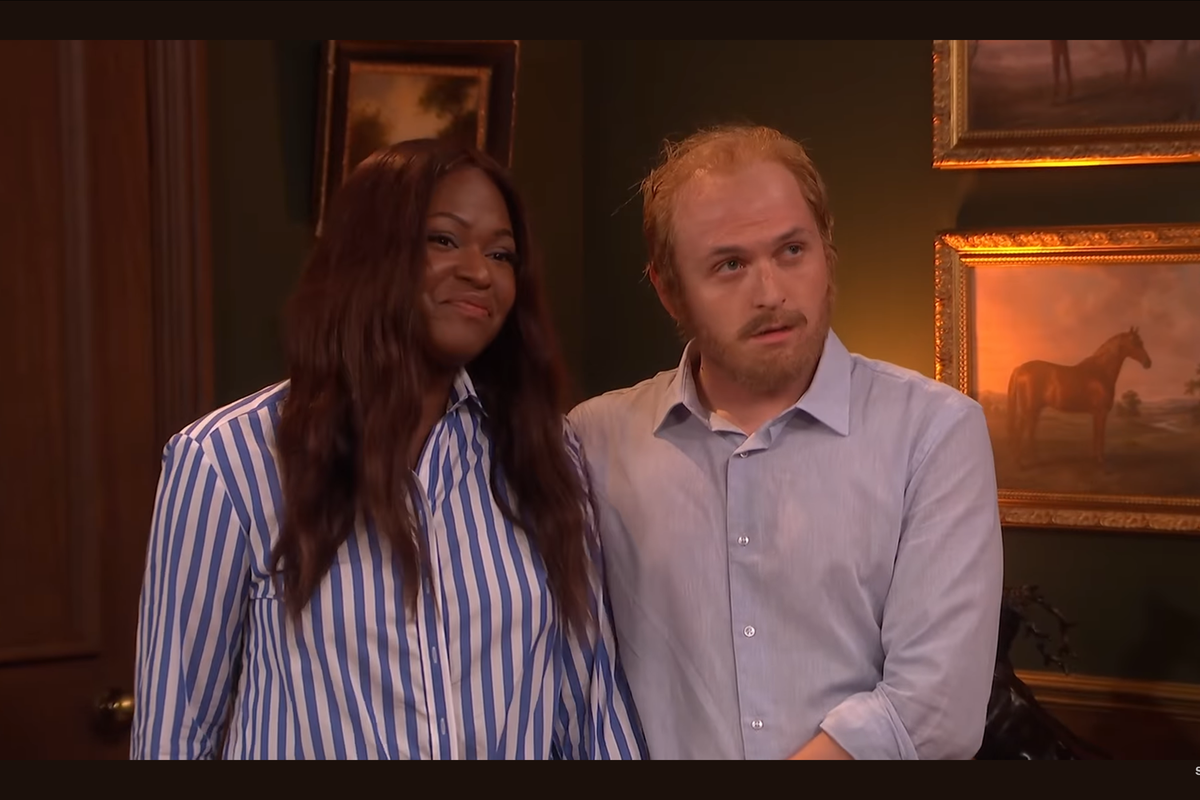
The BBC is canning RuPaul’s Drag Race UK – a decision that, in my household, will bring the number of regularly watched programmes on the Beeb down from one to zero. It’s a decision that will no doubt please enemies of LGBTQ+ culture, but otherwise seems inexplicable. For a start, Drag Race UK regularly pulls in 1 million viewers a week, which hardly seems like a show in its death throes (even if this is down from a previous high of 1.5 million).
RuPaul’s Drag Race is also a bona fide cultural phenomenon. Since the US version started in 2009, it has brought tons of performers to national, or even global, attention who would otherwise still be plying their trade in provincial gay bars. Jinkx Monsoon from the US is now starring in Oh Mary! in London’s West End; the UK’s La Voix made it on to Strictly; and Bimini Bon-Boulash, who “stepped their pussy up” to astonishing effect in season two, has made records, modelled and written a book.
More importantly, the show gave a TV platform to ballroom culture – the New York City-born tradition in which impoverished, young, largely Black and brown gay men and trans women, usually ostracised by their families, formed their own “houses” and transformed themselves into the glamorous characters they dreamed of being. Ballroom culture gave the world vogueing, the documentary Paris is Burning, and a whole argot which, more than 30 years on from its popularisation in the film, is mainstream. We’ll never know what the queens who invented this lingo would think of its incredible resilience, since they perished in the Aids crisis.
RuPaul’s Drag Race UK fused this underground culture with Britain’s venerable drag tradition to often hilarious effect. Who could forget characters like the acid-tongued, high fashion queen A’Whora from season two, whose comedy routine was so filthy it managed to make judge Alan Carr wince? Or Cheddar Gorgeous, the historically minded and hugely articulate queen from season four, whose Act Up themed costume I last spotted on display in Manchester’s Whitworth gallery?
Or even Nyongbella from season seven, delightfully random and usually almost naked, strutting her stuff on the BBC in defiance of her disapproving relatives in Cameroon, where gay sex can get you a five-year jail sentence? In what other context would such characters have made it on to the BBC? That’s not to mention the amazingly high-profile celebrity guests (Andrew Garfield, Mel B and Michaela Coel have all served), and the always-fabulous judges Michelle Visage, Graham Norton and Carr.
There is also, of course, the positive impact on scared young LGBTQ+ people on seeing out gay and trans folk living their best lives on screen, working – or rather werking – hard and being unapologetically themselves. Isn’t that something worth preserving? Along with the girl group challenges, Snatch Game episodes and spectacular looks, Drag Race UK has seen its contestants discuss their experiences of being non-binary or living with HIV.
Extract — continue reading at the source.