At some point in late summer, Donald Trump stopped taking my calls. He stopped answering most journalists. Operation Epic Fury was a huge success, he said; America was beating Iran like never before.
Since Jimmy Carter was humiliated almost 50 years ago by the Iran hostage crisis, no president had the guts to take on the ayatollahs and win, was Trump’s consistent refrain. His problem was that ever fewer Americans seemed to believe him. Drones and missiles kept flying.
Iran’s 1,000lb or so of “nuclear dust”, as Trump calls enriched uranium, was still in Iran. Diesel prices kept rising. Trump’s approval ratings continued to fall and Republican prospects for the US midterm elections on November 3 kept getting worse.
Renaming the Strait of Hormuz the Trump Strait — one of his suggestions — would not fool anybody. Nor would telling people to vote “as if my name is on the ballot” be of much help. Trump’s approval rating is running well below his party’s.
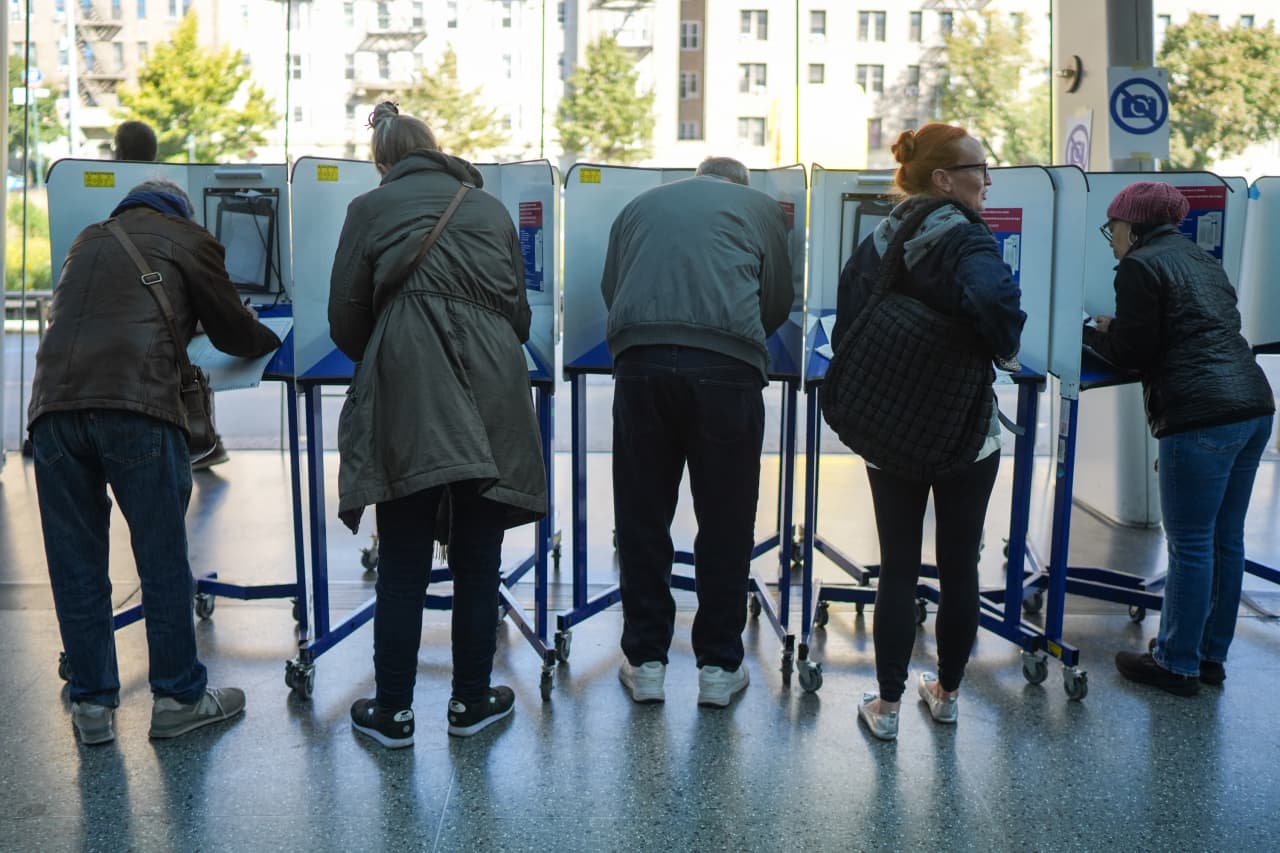
Republicans are likely to lose control next week of the House of Representatives. There is a reasonable chance that the Senate will also go. Under the old rules of US politics, that would turn Trump into a lame duck.
That would mean Democrats tying his administration up in investigations and subpoenas. His remaining agenda, such as it is, would also be dead on arrival. But almost nobody I interviewed for this essay — people in and close to the administration, on Capitol Hill, among Republicans and Democrats, lobbyists and constitutional scholars — thought the lame duck status would fit him.
Extract — continue reading at the source.