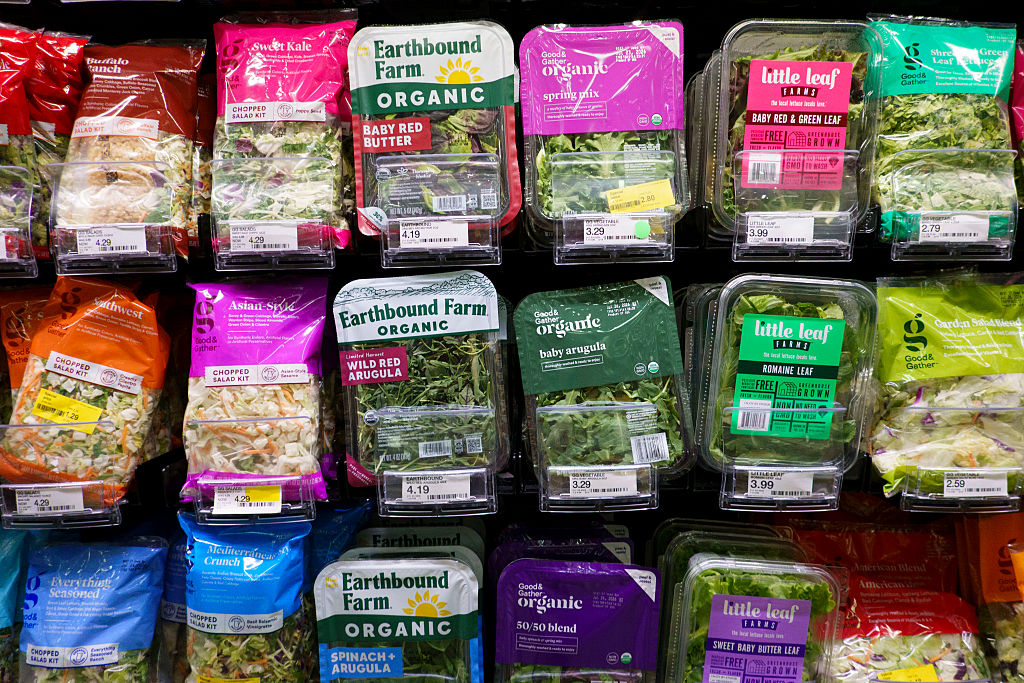
This summer, it’s been hard for consumers to know what to put in their grocery cart. Recalls have affected hundreds of products, including lettuce, which was linked to a Cyclospora outbreak; eggs and jalapenos that were connected with salmonella; and blueberries that were potentially contaminated with E. coli. These incidents have left shoppers across the United States wondering whether this summer has been a particularly bad one for foodborne illnesses.
Here’s what to know—and why consumers may be perceiving a greater number of outbreaks than usual, despite what the data shows. Read More: What Food Safety Experts Are Eating During the Cyclospora Outbreak According to federal data, the number of food recalls regulated by the U.S. Food and Drug Administration (FDA) is relatively on par with an average year.
So far, there have been 483 recalls in this fiscal year (Oct. 1, 2025 through Sept. 30, 2026), with a projected total of 551 by the end of October. In the past decade, the U.S. has seen a range of 400-800 annual recalls. But what stands out in 2026 is the severity of some of the outbreaks caused by contaminated food this year.
It's like we're being eclipsed by the scale and magnitude of these outbreaks with the staffing levels that we have.” The summer’s Cyclospora outbreak linked to iceberg lettuce alone sickened more than 10,000 people, caused over 400 hospitalizations, and led to at least two deaths, according to the U.S. Centers for Disease Control and Prevention (CDC). Epidemiologists believe it could be among the largest documented foodborne illness events in U.S. history.
"We've never seen anything like that before,” Hamilton says. While the total number of recalls has been about average, USDA-regulated recalls affected more than 37 million pounds of food during the first half of 2026—the highest it has been in a decade. At the same time, epidemiologist and former CDC adviser Katelyn Jetelina says that it’s very hard to tell just how bad this summer’s outbreaks have been—and our lack of federal data does not help.
It’s normal for foodborne illnesses to peak in the summer, since warmer temperatures help bacteria and other organisms multiply. That is why there have been more outbreak incidents in recent months. But this is a consistent seasonal threat, epidemiologists say, and not specific to 2026.
Extract — continue reading at the source.