In her essay The Oppositional Gaze: Black Female Spectators, writer and philosopher bell hooks explains that the relationship between Black people and the act of “looking” has been traumatic since slavery. Black people, many of whom are still subject to the constant surveillance that originated during enslavement, have historically been punished with severe consequences, such as lynching, for looking back at those who subjugate them. Despite these risks, hooks writes, they rebelled by secretly looking at white people, as well as their surroundings, rejecting the white gaze as the singular framework of reality.
We can, as bell hooks writes, “interrogate the gaze of the Other but also look back, and at one another, naming what we see”. I thought of this analysis when I visited Edge Control, artist Deana Lawson’s latest photography exhibition at the Gagosian gallery in New York City. Edge control refers to the gels and pomades that slick the hairs along the edges of a Black woman’s hairline, but in Lawson’s exhibit, the phrase takes on an additional meaning.
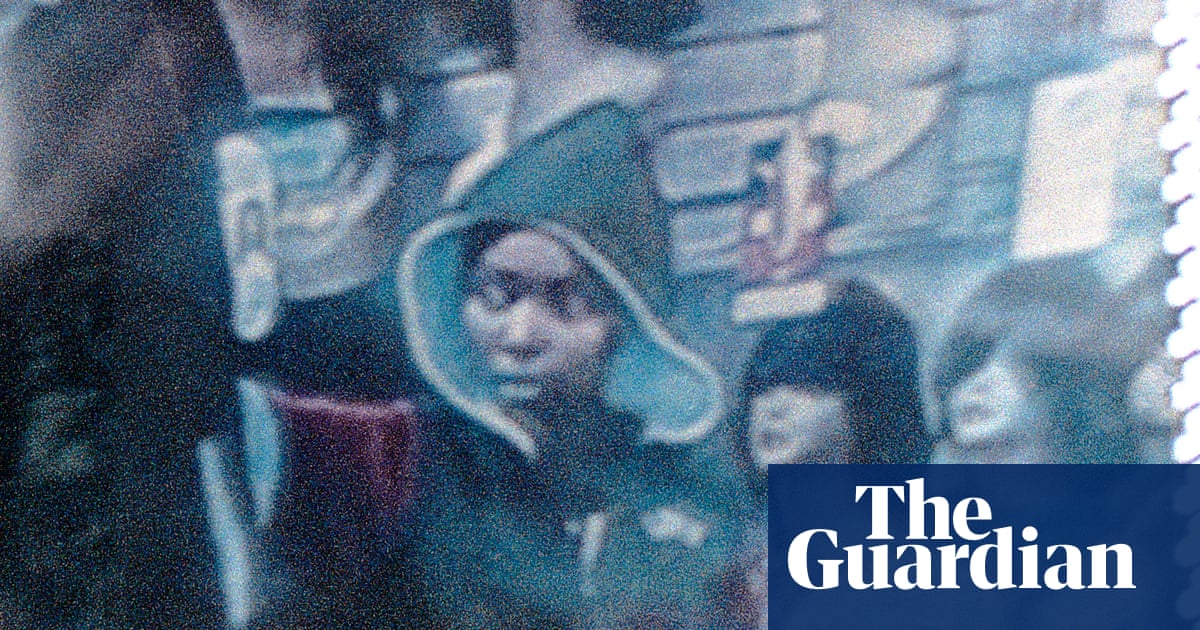
It’s at once a styling product for Black haircare devotees as well as a tool to examine the beauty industry, consumerism and how surveillance and race intersect. To explore these intersections, Lawson uses photos of alleged beauty supply store shoplifters, presented in large scale and outside their original contexts. As a warning to customers, many beauty supply stores post surveillance photos of alleged shoplifters caught in the act of stealing products.
The stores, which almost exclusively sell Black haircare products within Black neighborhoods, are rarely owned by Black people. The small, indistinct images tend to fade in the background amid the various colors of shampoo bottles and hair accessories. Lawson’s images, however, are large portraits framed by mirrors, forcing the onlooker to simultaneously see themselves looking at these shoplifters.
The viewer is small and narrow while the shoplifters are life-size, and what was once quiet, passive spectatorship immediately becomes active participation. This evolution is further emphasized once a viewer moves to the middle of the gallery room where two holograms stand, revealing Black women’s bodies that shift depending on the viewer’s angle. These pieces demonstrate how Lawson manipulates perception: these alleged shoplifters are not frozen in time, they are in motion, just as the viewers are.
The notion of wrongdoing is questionable as the exhibition becomes a house of mirrors exploring who is and is not being watched. Lawson accomplishes exactly what bell hooks wrote about – the rebellious gaze – by looking at her subjects, challenging viewers to evaluate them, and therefore exploring how perception functions within a space full of unequal power relations. The exhibit’s official description proclaims that Lawson does not intend to cast moral judgment over these images, but rather “foregrounds the implications of agency and transformative potential of beauty products within our late capitalist society”.
Extract — continue reading at the source.