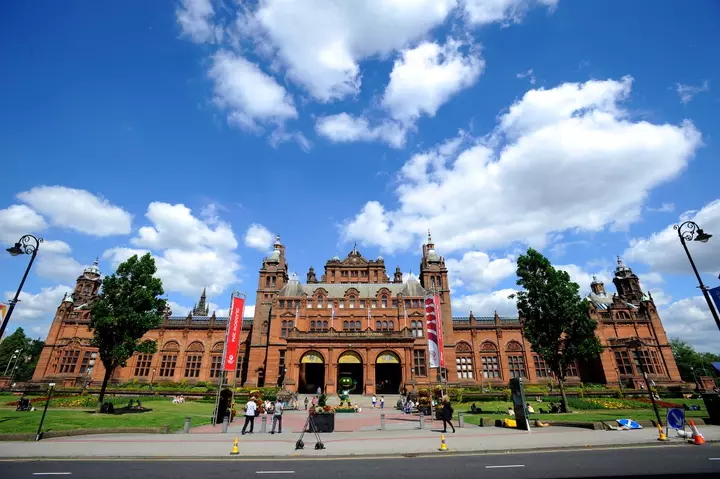
A museum in the United Kingdom has removed ancient Egyptian human remains from its displays, saying it lacked documented consent from the people whose remains were being exhibited. Kelvingrove Art Gallery and Museum in Glasgow, Scotland, removed the remains under a draft policy intended to ensure human remains are treated with dignity and respect. The institution’s operator said further removals were underway at Kelvingrove and would subsequently begin at another museum in the city.
In the absence of such consent, we believe removing ancient Egyptian human remains from display is more respectful to the deceased individuals.” Glasgow Life told Newsweek that it had removed the following items from display: The spokesperson added they were also working to remove archaeological human remains from the History Discovery Centre and the Scotland’s Early People gallery at Kelvingrove Museum. The move prompted criticism from some local lawmakers, including Murdo Fraser, a Scottish Conservative member of the Scottish Parliament. Even Egyptian mummies are now being cancelled by a society so obsessed with modern sensibilities that it has lost all sense of perspective,” he said, according to the Daily Mail, which first reported the change.
"People visit museums to learn about ancient civilisations, not to see history hidden away because it fails to meet today's ideological standards. Glasgow's museums should be showcasing our history, not quietly removing it to appease the latest trend in political correctness.” The outlet said it reported the change after a visitor shared an image on the X social media platform of a sign at the museum which read: “We have removed human remains from this display as a mark of respect.” Following the Kelvingrove Museum removals, Glasgow Life said work will begin to remove a coffin and mummified human remains on display in St Mungo Museum, also located in Glasgow. Kelvingrove Art Gallery and Museum opened in 1901 as part of that year’s Glasgow International Exhibition and became the city’s civic art gallery and museum in 1902, according to Glasgow Life’s website.
Considered one of the last major museums built during the Victorian era, its collections cover fine art and design, including works associated with French Impressionism and the Scottish Colorists, as well as natural history, arms and armor, human history and ancient Egypt. Newsweek’s reporters and editors used Martyn, our AI assistant, to produce this story. Learn more about Martyn here.
Contact Newsweek editors on this story: John Fitzpatrick and Gray R.
Extract — continue reading at the source.