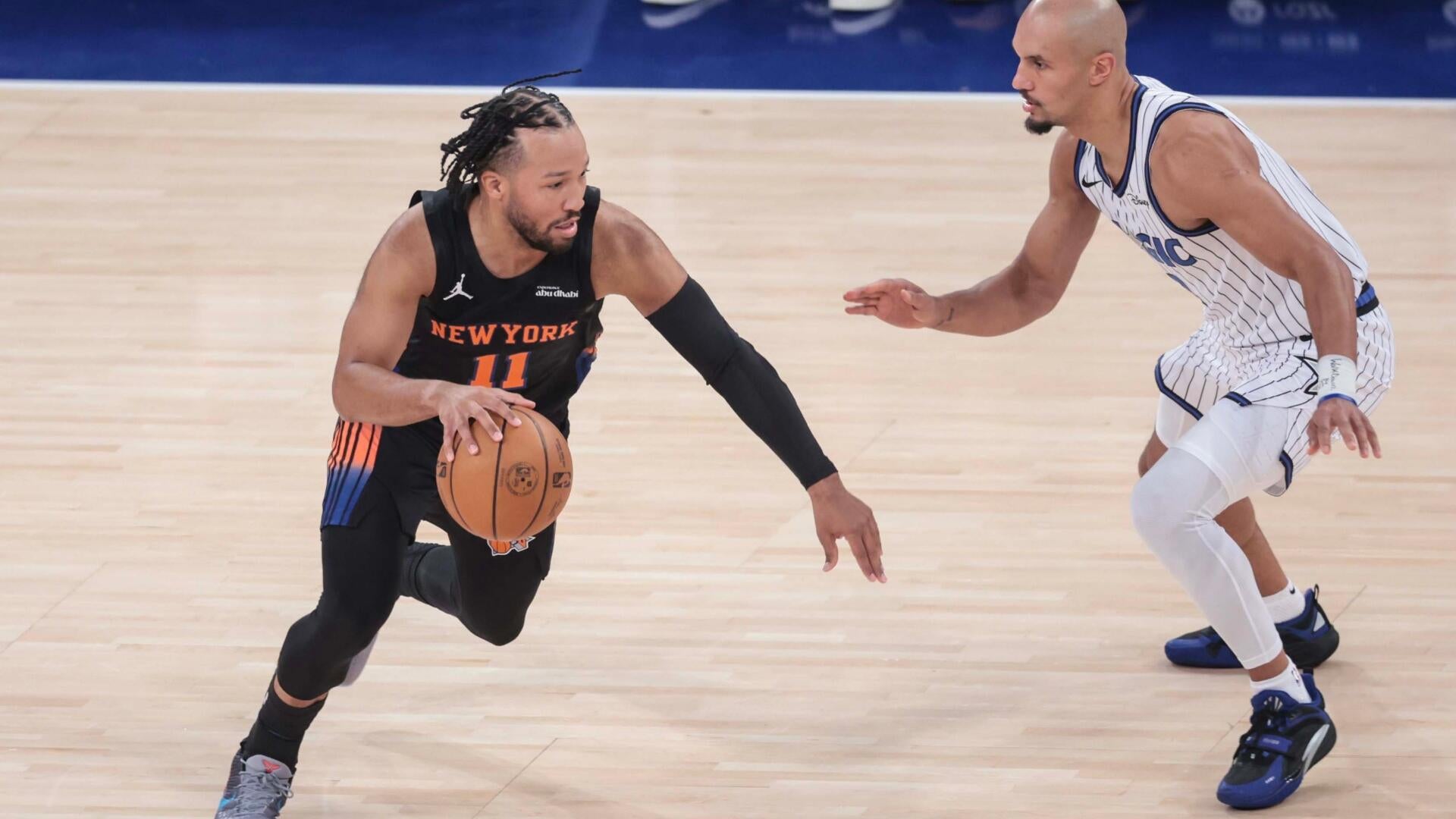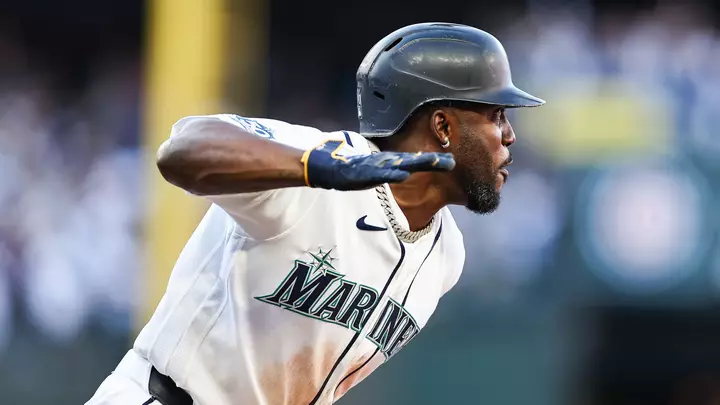
Eight MLB free agents were extended a one-year, $23.15 million contract offer on Monday that, if declined, could fetch their old teams draft-pick compensation. That group includes Randy Arozarena and Seiya Suzuki. This is one of the smallest groups of qualifying offers ever.
Only six players got one in 2020. There were 13 last offseason, and we've seen as many as 20. From 2012 to 2025, 157 qualifying offers were made and only 18 accepted, including a record four last year.
Each offseason, certain free agents are eligible for the qualifying offer (QO). Those eligible free agents have never before received the QO and who spent the prior season with only one team (in other words, players traded during the season cannot receive the QO). The QO is set as the average of the top 125 salaries for a given year, and for the 2026-27 offseason it's a record $23.15 million.
Eligible players who accept the QO will play the 2027 season under that salary for their 2026 team, while those who turn it down become free agents, albeit with the QO compensation attached. That attachment means that the free agent's former team is entitled to an additional draft pick. The position of that draft pick depends upon the team's status when it comes to the luxury tax and revenue-sharing debits or credits.
On the other side, a team that signs a free agent with a QO attached is penalized with the loss of a draft pick, depending again upon the signing team's classification when it comes to the luxury tax and revenue sharing. Most QO decisions are obvious. Premium free agents receive one without much thought, just as the much less coveted class of free agents do not.
It's in the middle ground that interesting decisions lie -- first on the club side and then, if offered, on the player side. That's even more the case this year, when the expiring CBA and negotiations toward a new one have already included talk of a salary cap and restrictions on free agent contracts. Players presented with a QO this offseason will have until 4 p.m.
Extract — continue reading at the source.