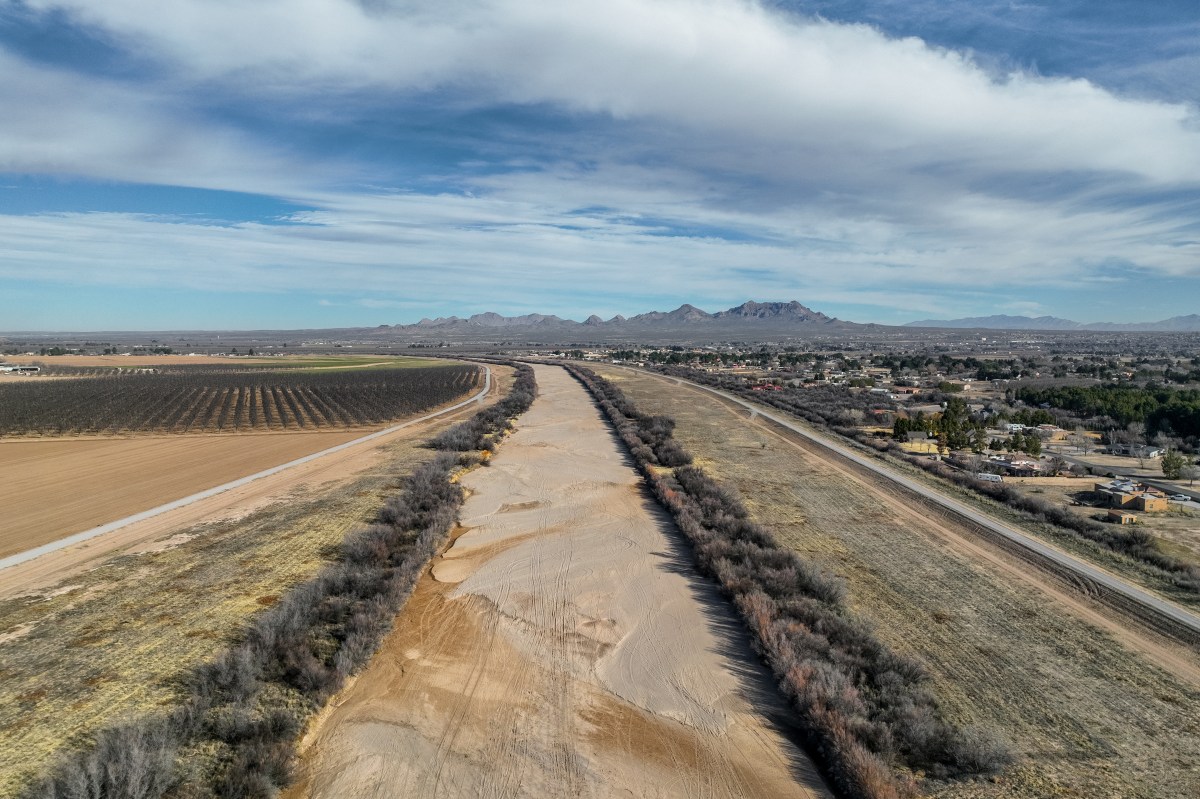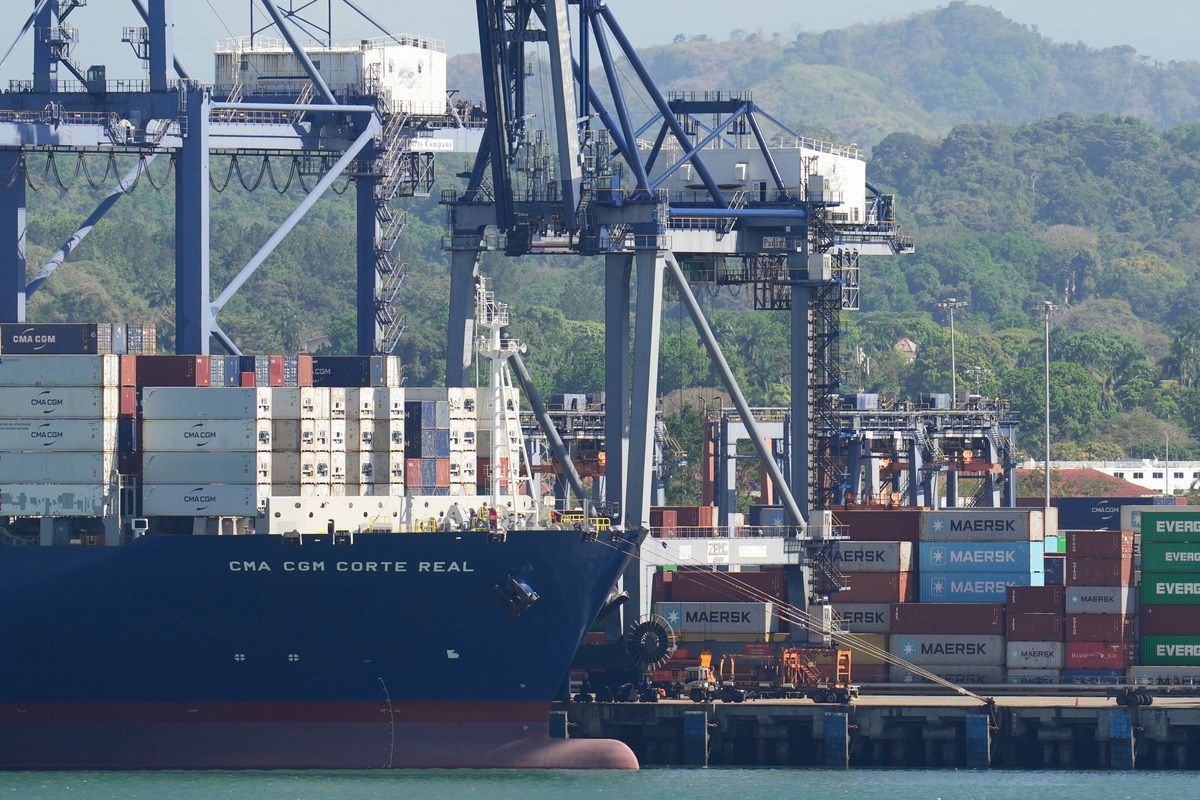
Fewer ships are expected to pass through the strategic Panama Canal shipping route from next month because of low rainfall linked to El Niño, which could lead to rising costs for U.S. consumers. The Panama Canal Authority, which manages the waterway, told shipping companies on Thursday that from mid-September, four fewer ships would be allowed to transit daily than the 36 currently moving through the canal each day. A slight reduction in traffic will be phased in from September 3.
It's unlikely the average U.S. consumer will feel much of the impact from the fewer ships transiting the canal, but there is a small chance that cargo owners, pressed by paying more for shipping and other costs, will pass on this increase to customers, Simon Heaney, a senior manager for container research at the Drewry shipping research and consultancy firm, told Newsweek. Global shipping has been upended for months by the U.S.'s war with Iran. Tehran has persistently targeted cargo vessels despite U.S. pressure and effectively blocked the Strait of Hormuz waterway.
Just seven ships sailed in the strait on Thursday, according to shipping data cited by . Iran-allied Houthi rebels in Yemen have also threatened to attack ships in the Bab el-Mandeb Strait, another vital maritime chokehold. Meanwhile, U.S. and Latin American governments are already bracing for the impact of El Niño, with swaths of Central America bearing the brunt of a drought brought on by the surface of the eastern Pacific Ocean warming up.
Other areas are set to experience floods as El Niño conditions pick up over the fall and continue through the early months of 2027. U.S. scientists said in June that El Niño had officially begun after its counterpart, La Niña—when tropical Pacific water is cooler than normal—tapered off in 2025. El Niño usually lasts between nine months and a year, but often longer, climate and oceanic experts say.
It typically happens every two to seven years, but it's hard to predict because it's not regular, according to the U.S. National Oceanic and Atmospheric Administration. The Panama Canal Authority (PCA) said that "additional action" was needed to keep transit flowing, despite the rainy season hitting Panama and there being several "water-saving measures" already in place.
The 51-mile artificial canal in Panama links up the Atlantic and Pacific Oceans, meaning cargo and passenger ships don't have to go all the way around Cape Horn and South America's southern tip. About 5 percent of all global shipping, or 1,000 ships per month, passes through the Panama Canal. About $270 billion, or two-fifths of all U.S. container traffic, travels via the Panama Canal each year.
Extract — continue reading at the source.