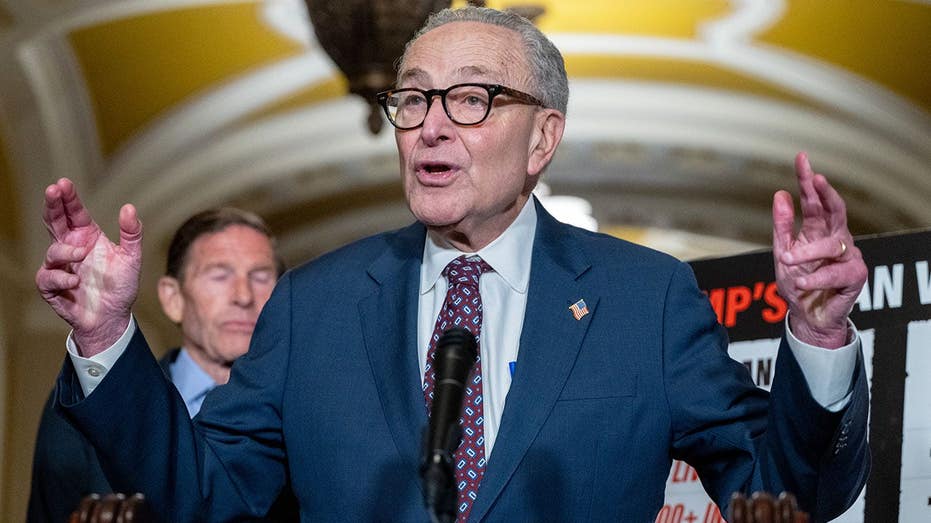
A number of people have admitted to tears during Andy Burnham’s Labour party conference speech, and most of them mean when he talked about his father, who died very recently. But then there were a few (not me) who welled up when he announced a commission on electoral reform. It was just the sheer shock of it: that we may finally have a prime minister who will follow through on his own long-held beliefs and remain loyal to his long-term support base, even if it makes him avoidable enemies and, medium-term, destroys Labour’s only-trodden path to victory.
It felt a bit like slipping through time, and I couldn’t even tell you to when (definitely not the 1990s). Burnham’s support for proportional representation has always been extremely unusual for a Labour politician. To this day, he ascribes that to his experience of winning an election as mayor of Greater Manchester on a supplementary votes system, where people get to choose a first- and second-preference candidate.
He said that campaigning under that system “finally aligned the conversation on the door with what people want from politics, which is about problem-solving first and foremost, not about point-scoring”. He went a bit further this morning, asking Nick Robinson on the Today programme: “Can we really watch a party with less than 30% walk into Downing Street?” Plainly, he was talking about the spectre of a Reform government, and it’s that very context that makes this already difficult constitutional conversation even more vexed. Back in May, the all-party parliamentary group for fair elections held a meeting to discuss the aftermath of the local elections.
It feels like a long time ago, and furthermore, so different in atmosphere as to be irrelevant to the prime minister, but 2020s politics are defined by their switchblade turns. In the matter of constitutional reform, the overriding priority has to be to build a system that’s fair across a range of imaginable scenarios, not just the one in front of you. The locals delivered great results for Reform, and satisfactory ones for the Liberal Democrats, which reflected the realities of a first-past-the-post (FPTP) system – first, it rewards the winner, and second, it rewards geographical concentration.
Labour walked away from the 2024 general election with 63% of the seats on 34% of the votes, the largest overrepresentation ever. The Greens have spent years commanding the fervent support of a geographically diffuse but not insignificant minority, with almost nothing to show for it in parliamentary terms. The distortions of FPTP have been well-known for years, but historically they were only ever discussed in terms of the barrier to entry they presented to insurgent parties, and the democratic deficit they constituted to any voter who didn’t live in a marginal seat, which is to say the majority of voters.
So the counter-arguments were that, for all its flaws, by keeping out insurgents, the traditional voting system kept out extremists: and who wouldn’t sacrifice a little bit (or a huge amount) of democracy, for the sake of steadiness? Stability was the first myth to fall, when it transpired, over the past 10 years, that you can keep on returning one of two main parties as reliably as you like, and they will have no problem confecting so much intra-party turmoil that you might as well have voted for the Monster Raving Loony party. The efficacy of FPTP in keeping out extremists, meanwhile, was – like a stock market bubble – true until it wasn’t.
Extract — continue reading at the source.