In the end, the solar eclipse did not cause the electricity grid to flicker. The early drop-off in solar generation was manageable, just as the National Energy System Operator (Neso), the state-owned body responsible for keeping the lights on, predicted. Gas-fired generators still had to be paid nose-bleed prices to fire up, and power via high-voltage interconnectors to continental Europe was also expensively sourced.
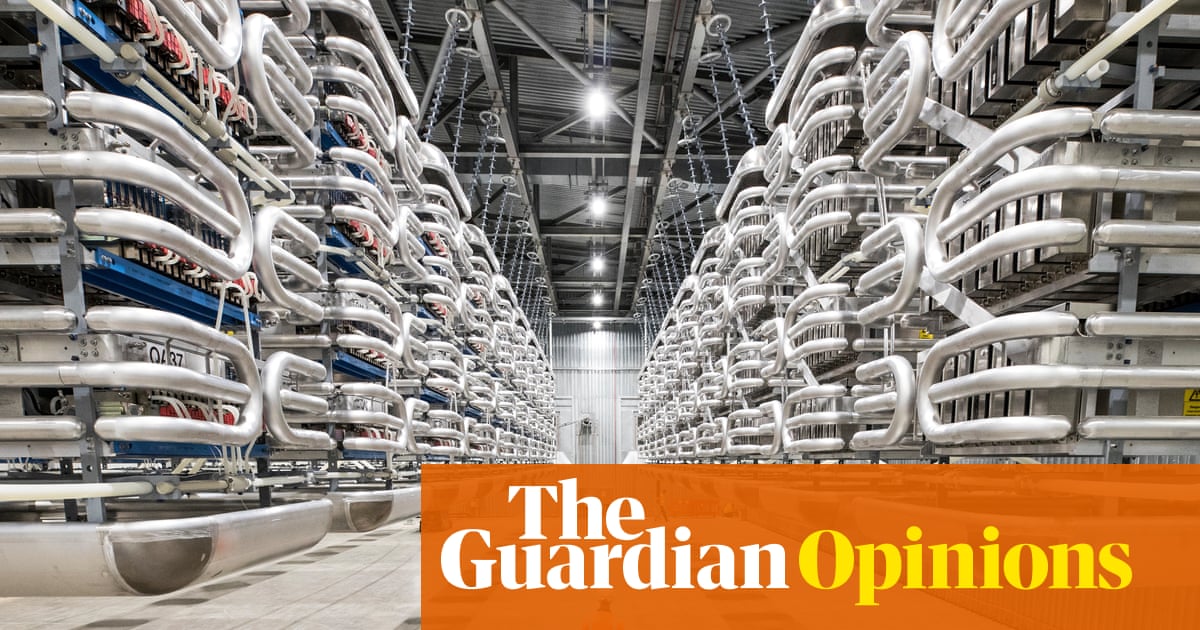
A summer of heatwaves, however, has highlighted European grids’ reliance on those interconnectors – including seven between the UK and the continent – in an age of extreme weather and greater use of intermittent renewables. On Thursday, another low-wind “heat dome” day, a fifth of power to the British grid was coming from the continent at 10am. Cables from France alone were meeting 11%, or 3.54 gigawatts, of demand, or more than twice as much as the output at that time from the UK’s entire fleet of windfarms.
The economic appeal of interconnectors is obvious: cross-border transfers should boost security. For Britain, as on Thursday, it can sometimes be cheaper to source from the continent, especially from France’s nuclear-dominated system, than use domestic gas-fired generation. And on sunny windy days when the UK’s renewables are producing a surplus, the flow can be in the other direction.
Over the course of a full year, the UK currently imports roughly a tenth of its electricity. The politics, on the other hand, have rarely looked messier. Neso cut off exports to the Netherlands at short notice during the now-famous evening of 23 June; an investigation continues into what, precisely, happened when the British grid was below its operational frequency limits, albeit not its statutory ones, for almost two hours.
Meanwhile, the FT revealed last week that Neso ordered wholesale market traders not to export power via four interconnectors in the day-ahead market during several hours in July to ensure Britain had enough electricity. It is why the contractual setup was altered in May to limit late changes in direction on six links with Belgium, Denmark, France and the Netherlands to no more that 300 megawatts per cable. Peter Atherton, an independent energy analyst, says: “The UK is potentially seen as the weak link in the European system.” One could regard the summer heatwave tensions as temporary.
Demand for air conditioning has soared; heat affects the efficiency of gas-powered turbines; hotter rivers are not good for cooling French nuclear reactors. And the summer is when some generation capacity is taken offline for maintenance ahead of winter. Yet deeper political tensions were apparent before the summer.
Extract — continue reading at the source.