This article has been reviewed according to Science X's editorial process and policies. Editors have highlighted the following attributes while ensuring the content's credibility: They are durable, cheap and everyday life is now hardly imaginable without them: plastics. More then 400 million metric tons are produced every year.
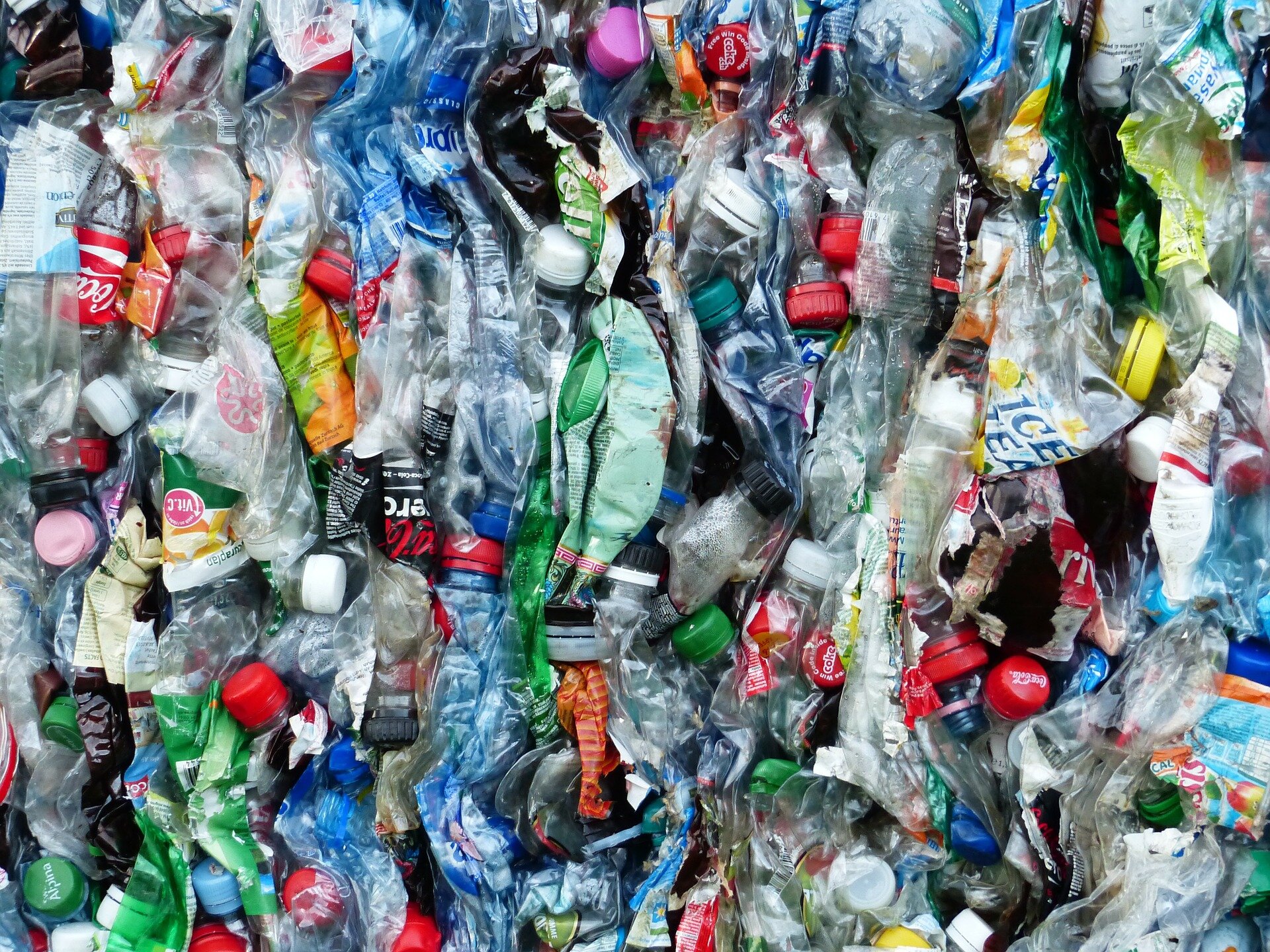
As a large proportion is only insufficiently recycled, the environmental burden caused by plastic waste is increasing. Researchers from the University of Greifswald are therefore investigating how biochemical procedures may help to break plastics down into their individual chemical building blocks and make them available for a new product cycle. In two new publications in Nature Chemical Biology and Nature, two teams working with Greifswald biochemist Dr.
Bornscheuer have shown the potential of enzymes for recycling plastics that were previously difficult to recycle. They also identify the factors crucial to reliably determining whether biological degradation processes are effective. The use of enzymes is a promising approach to the biocatalytic depolymerization of plastics.
These enzymes can selectively split the chemical bonds that hold plastics together. This approach has already been developed relatively successfully for the plastic polyethylene terephthalate (PET), which is used to manufacture beverage bottles and textiles. Certain enzymes can break down PET into its individual building blocks under mild conditions.
These can then be used to produce new plastics. In a best-case scenario, this method would make it possible to use plastic as a raw material over and over again, instead of it turning into waste. The degradation of other kinds of plastic is much harder.
A few years ago, the team led by Bornscheuer identified the first biocatalysts able to break down particularly stable bonds in polyurethanes (PU). Polyurethanes are found in many products, including mattresses, insulation materials and athletic shoes. In an article published in Nature Chemical Biology, the researchers identified which families of enzymes are particularly well suited to breaking down PU and polyamides (nylon).
Extract — continue reading at the source.


