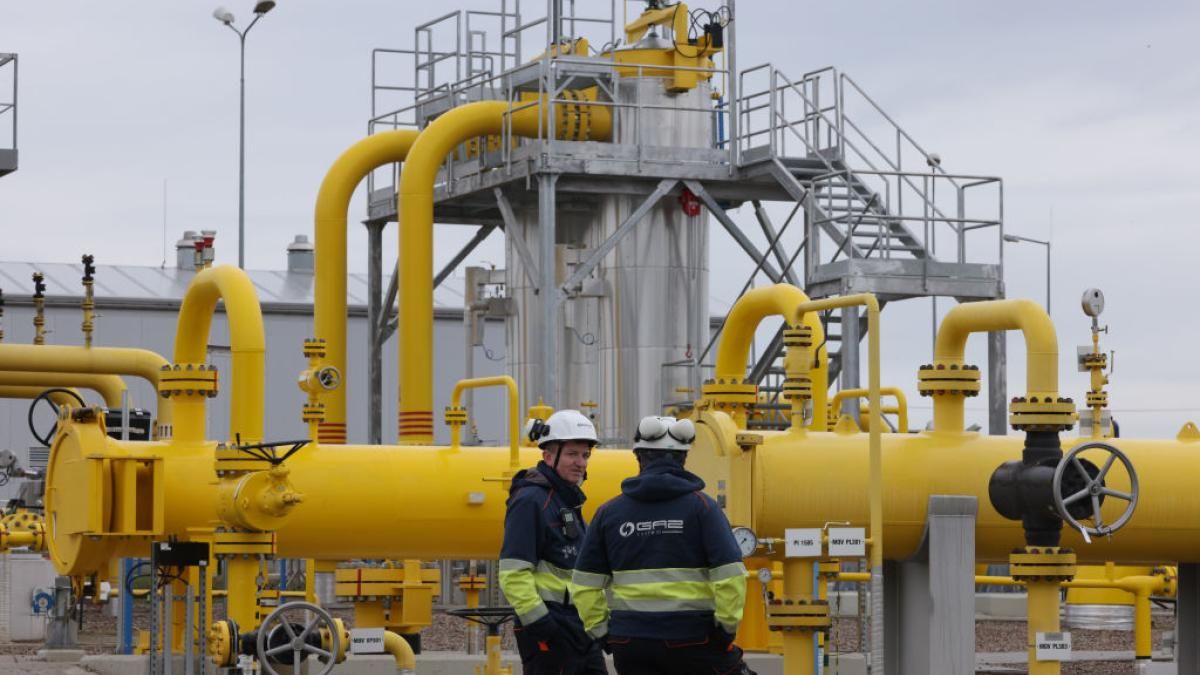
European countries could face difficulties with energy supplies during the coming winter, as forecasters warn of a sharp drop in temperatures across the continent from the second half of November due to cold air masses moving in from the north. According to the International Energy Agency, Europe's gas storage facilities were around 75% full at the beginning of October. However, disruptions to fuel shipments following reported missile attacks on several oil and gas tankers in the Strait of Hormuz have increased reliance on existing reserves.
Experts say that if gas consumption is carefully managed, current reserves could be sufficient to meet household demand until March 2027. Meanwhile, natural gas prices continue to rise. Prices on global markets vary depending on regional exchanges and delivery hubs.
At the Henry Hub in the United States, natural gas futures are currently trading at approximately $2.90 per million British thermal units (MMBtu). Prices are significantly higher in the European market, particularly at the Netherlands' TTF hub, where they fluctuate regularly. Natural gas is currently trading at around $1,100 per 1,000 cubic metres, or approximately €94 per megawatt-hour.
Here we are to serve you with news right now. It does not cost much, but worth your attention. Choose to support open, independent, quality journalism and subscribe on a monthly basis.
By subscribing to our online newspaper, you can have full digital access to all news, analysis, and much more. You can also follow AzerNEWS on Twitter @AzerNewsAz or Facebook @AzerNewsNewspaper
Extract — continue reading at the source.