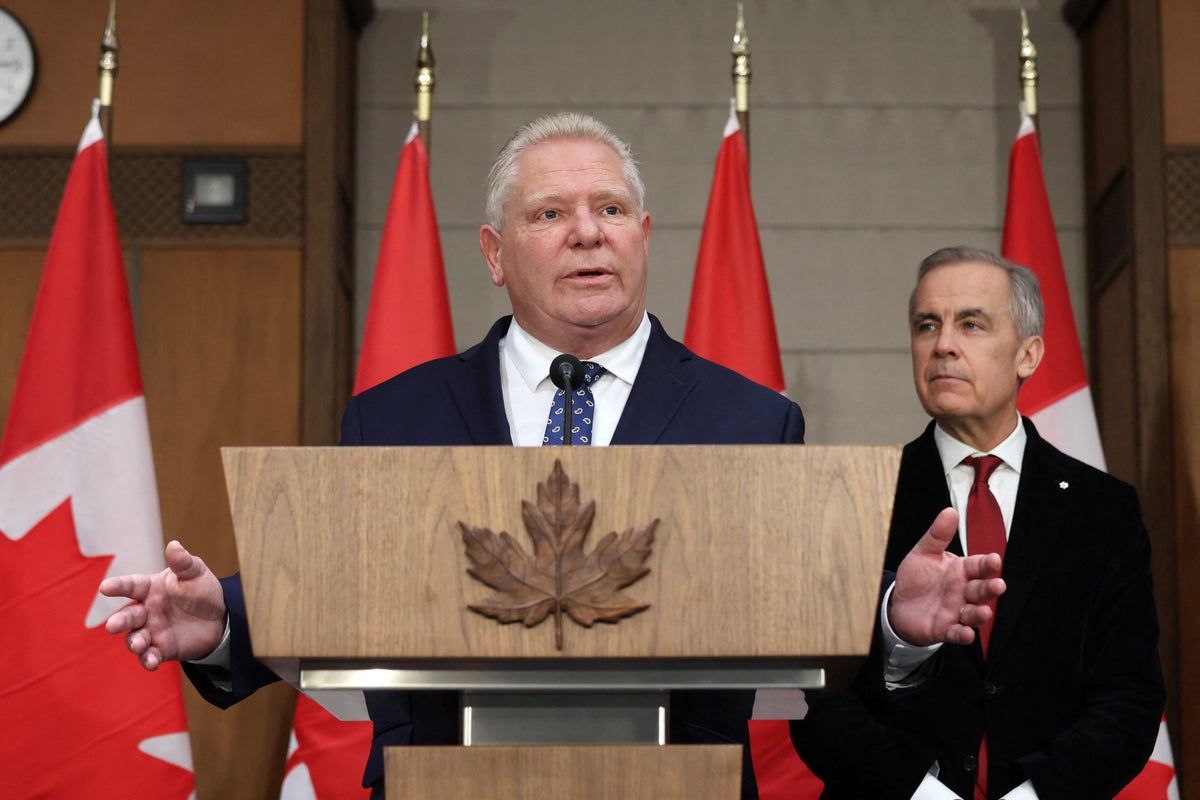
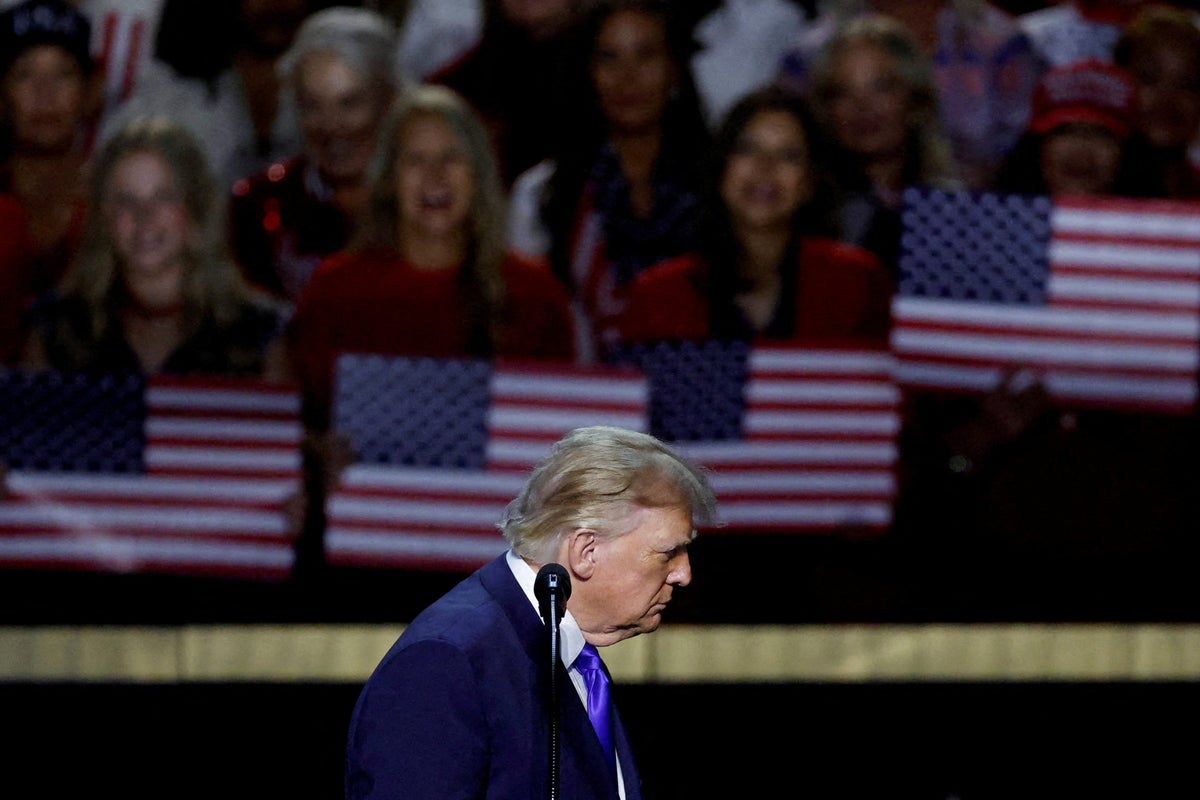
It kicked off with the Shanghai Cooperation Organisation (SCO) summit in Bishkek, Kyrgyzstan, an opportunity to rub shoulders with international heavyweights such as Xi Jinping and Narendra Modi. Then, on Saturday, Jared Kushner and Steve Witkoff turned up in Moscow, signalling their boss – United States President Donald Trump’s – continued resolve to cut a deal on Ukraine with Putin. But it was news from Europe that possibly brought the greatest joy to the Kremlin.
Alternative for Germany (AfD)’s resounding success in the Saxony-Anhalt election brought the prospect of a Russia-friendly party running a regional government in a core European Union member state. For someone like Putin, who has a special relationship with Germany courtesy of his years as a KGB officer in Dresden, this surely feels satisfying. AfD could see itself winning power at the federal level the next time voters head to the polls in 2029.
Currently, the far-right party is on a roll, buoyed by dissatisfaction with Chancellor Friedrich Merz and its promises to clamp down on immigration, curtail LGBTQ rights, and roll back the transition to renewable energy. Its appeal is particularly strong in former East Germany, having already come first in the 2024 provincial elections in Thuringia. Nationally, AfD polls six to seven percentage points ahead of the governing Christian Democratic Union (CDU).
Unless the CDU bounces back, defying the odds, the populist hardliners would have the largest caucus in the next Bundestag. Should that happen, mainstream parties might struggle to uphold the much-talked-about firewall (Brandmauer) keeping AfD, whose ranks include neo-Nazis, out of office. Saxony-Anhalt, otherwise a small province with limited impact on national politics, could prove a testing ground for a coalition headed by the far right.
Russia could provide at least some of the glue for such a partnership. AfD is courting potential support on the left, for example, the Sahra Wagenknecht Alliance (BSW), a splinter from the Die Linke party (heir to East Germany’s communists). Similar to the far right, Sahra Wagenknecht is arguing for cutting military aid to Ukraine, peace negotiations with Russia, and lifting EU sanctions.
Their views on migration and gender issues are in sync too, and in fact, they resonate with Putin’s criticism of Europe going woke. So, if the AfD and BSW (or an equivalent force on the left) gain power in Berlin, they will opt for policies reminiscent of Viktor Orban’s Hungary. But Germany’s pivotal role in European politics, economy and security raises the stakes.
Extract — continue reading at the source.