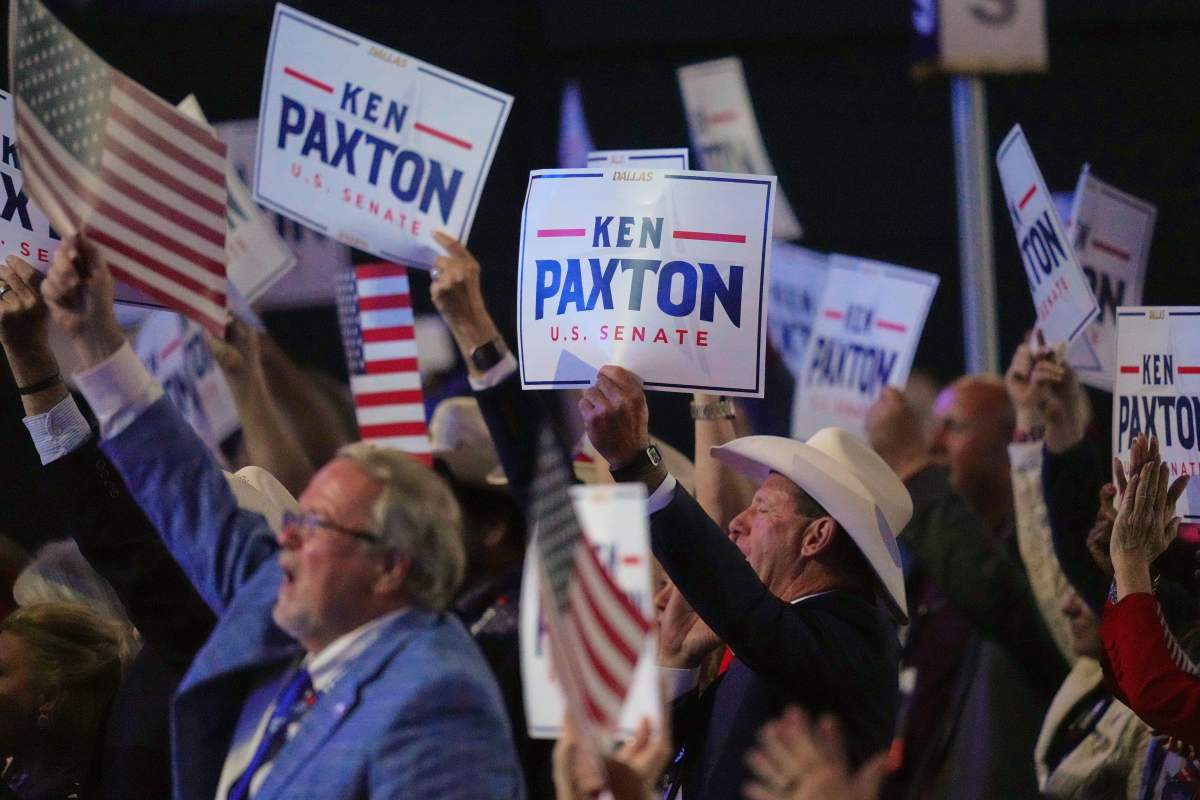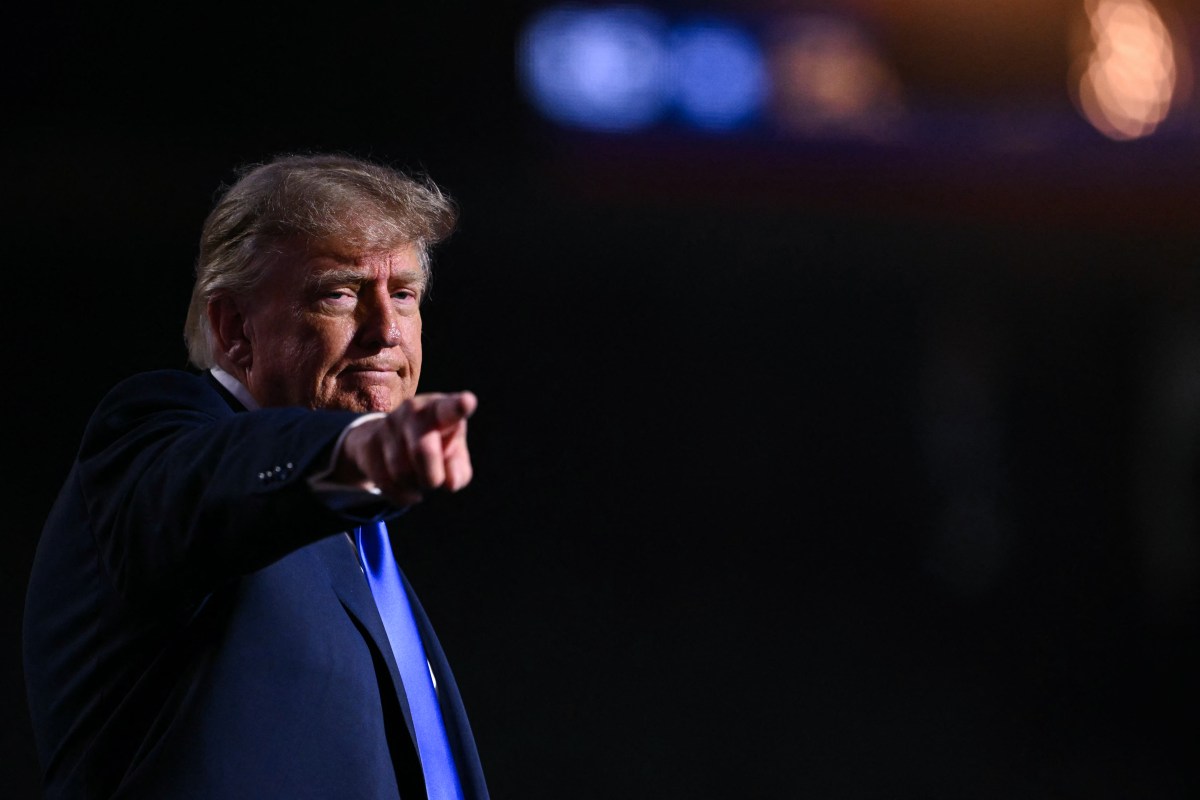
President Donald Trump’s announcement of a “dividend” to reward voters if Republicans win this year’s midterm elections has drawn bemusement from economists and lawmakers, even as some Republicans welcome it as a much-needed boost heading to November. "If the Republicans win the House of Representatives and the United States Senate, both of them," the president told attendees at the GOP's first midterm convention in Dallas on Wednesday, "I will issue a dividend to every adult citizen in the United States of America for $5,000." What he called the “Trump Dividend” would carry an estimated cost of more than $1 trillion for the government, even excluding the administrative expenses involved, and most remain skeptical that the president can finance the checks in the event of a two-chamber Republican victory. It would then have to either borrow the money or raise taxes to cover the cost of the ‘dividends,’” Douglas Holtz-Eakin, president of the center-right American Action Forum think tank, told Newsweek.
Last February, James Fishback, a hedge fund manager and CEO of Azoria Partners, proposed a payment funded with the savings secured by the Department of Government Efficiency. The one-time payment of $5,000 was based on the $2 trillion in spending cuts originally targeted by the agency—the plan called for distributing 20 percent of this among 79 million tax-paying households. The idea was endorsed by DOGE’s de facto chief Elon Musk, and received tacit support from Trump, who called it a “great idea” and said the savings achieved by the advisory department could mean money was directly returned to taxpayers.
The proposal never advanced into law and DOGE achieved only a fraction of its promised cuts by the time it was quietly dissolved in late 2025. DOGE's own savings tracker reads $215 billion—around 11 percent of what would be needed to finance Fishback’s vision—and congressional watchdogs say even this could be an exaggerated estimate. Last July, Trump proposed a $2,000 payment to Americans, excluding high-income households, which he said would be funded from tariff revenue collected by the federal government.
The Committee for a Responsible Federal Budget (CRFB) estimated last November that the checks could cost around $600 billion—twice what tariffs were bringing in on an assumed annual basis—while increasing deficits by $6 trillion over the next decade. And while Trump continued to tout the checks as a major benefit of his duties—jeopardized by legal challenges to these—his officials downplayed the promise and said that tariff-related windfalls could reach American wallets in other forms. The idea unraveled fully in February, when the U.S.
Supreme Court struck down Trump’s International Emergency Economic Powers Act tariffs, after which the administration began working to refund the roughly $166 billion that had been paid by importers. Affordable Care Act (ACA)—Obamacare—subsidies had been expanded during the COVID-19 pandemic, and their 2025 expiration led to warnings that many enrollees would face significantly higher premiums. In late 2025, Trump argued that federal healthcare funds should be sent "directly back to the people,” and expressed support for putting payments of between $1,000 and $1,500 into Americans’ healthcare accounts.
I don't want to give the insurance companies any money," the president told reporters in December. "They've been ripping off the public for years." The payments themselves never progressed beyond this endorsement, though the administration unveiled a healthcare strategy in January—"The Great Healthcare Plan"—it described as a “comprehensive plan to lower drug prices, lower insurance premiums, hold big insurance companies accountable, and maximize price transparency.” The president’s latest proposal has drawn backing from some corners, with Ohio Republican Senator Bernie Moreno promising to get “a bill ready so that we can get the Trump Dividend passed immediately after the November 3 election.” But serious legal, constitutional and economic questions mean the future of the checks remains uncertain. Erica York, vice president of federal tax policy at the Tax Foundation, told Newsweek that the government “cannot fund” the $5,000 dividend for every U.S. adult and that this would only worsen the nation’s fiscal difficulties.
Extract — continue reading at the source.