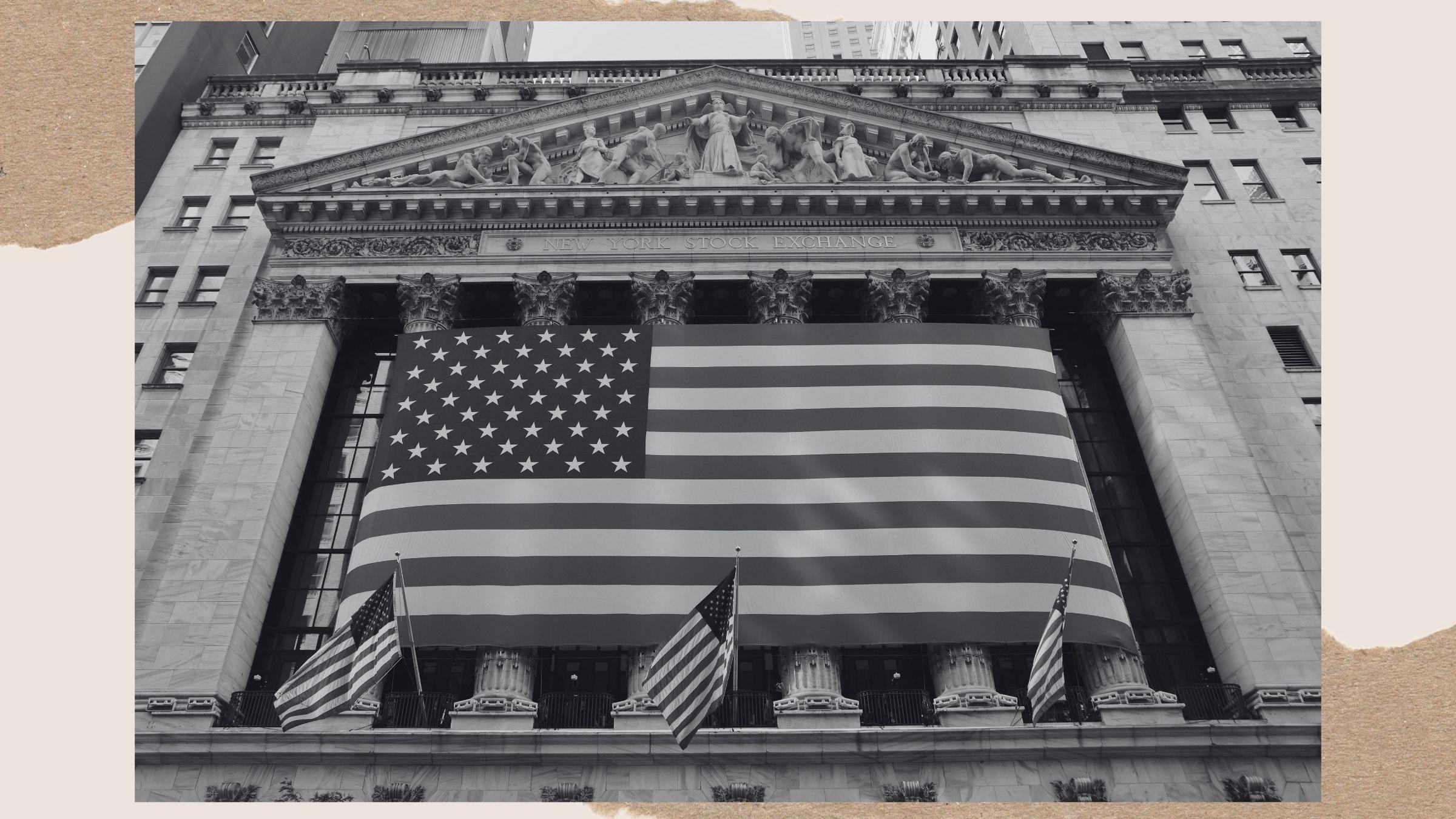
In its 250th year, America finds itself confronting an age-old question with new urgency: what, exactly, counts as progress? 1776 was a hinge year for the modern world. Adam Smith published The Wealth of Nations, America adopted the Declaration of Independence, and Matthew Boulton and James Watt commercialized the steam engine—three developments that unleashed an age of capitalism, bringing unprecedented growth and unprecedented inequality. And while growth and inequality are often treated as separate stories, fetishized respectively by the right and the left, corporate America and labor unions, and Wall Street and Main Street, this November’s midterm elections will put them on a collision course.
But they have always gone hand in hand, their fates inextricably intertwined. America’s triumphs are real. The United States is still the world’s largest economy.
It remains a global engine of innovation. Its stock market is booming thanks to artificial intelligence, while its capital markets remain the deepest and most powerful in the world. And despite tariffs, a labor market slowed by restrictive immigration and repeated energy price shocks, its growth—as attested to by its $32.3 trillion GDP, larger than China, India, and Germany combined—appears to defy the odds and remains resilient.
Yet this dynamism is only half the story. Affordability has become the defining issue of the moment, and many signs indicate that the midterms in November will be decided on that basis. The Pew Research Center has found that the voters place the economy front and center by a wide margin, even as only 24% of Americans describe it as “good” or “excellent.” Gallup, meanwhile, reports that voters identify the cost of living as their foremost concern in the election.
GDP, the single statistic that now determines a country’s economic might, traces its roots to the scholarship of the American economist Simon Kuznets during the Great Depression, particularly his landmark 1934 report, National Income, 1929-1932. But as the Cambridge economist Diane Coyle points out, Kuznets was, himself, aware of the many flaws and pitfalls of the metric he had developed and warned against confusing economic output with human welfare. What even fewer people know is that the “godfather” of GDP was also a pioneer in the study of inequality.
The Kuznets curve—his famous prediction that inequality would eventually decline as economies grew richer—is not one history has obliged, but it points to the Janus-headed quality of modern capitalism. Indeed, it’s been exactly 15 years since the Occupy Wall Street protests radiated out of Zuccotti Park in New York’s Financial District. Born in the aftermath of the Great Recession of 2008, the movement became the most visible public outcry against economic inequality in recent American history and gave the country an enduring rallying cry: “We are the 99%.” While the movement dissipated, the issues it raised have not.
Extract — continue reading at the source.


