A man sends a photo of "Oleshky borsch," a vegetable soup he has made from leftovers. To make the soup more filling, he says he has added millet and two eggs. "Today, we have a delicacy in our borsch.
My mother traded 2.5 kilograms (5.5 pounds) of sugar for 10 eggs," he tells the recipient of the photo, Tetiana Hasanenko, the head of the Oleshky City Military Administration, which is based in territory controlled by Kyiv. "There's no cabbage in it, but there is asparagus," he adds. Hasanenko says she's used to getting such messages.
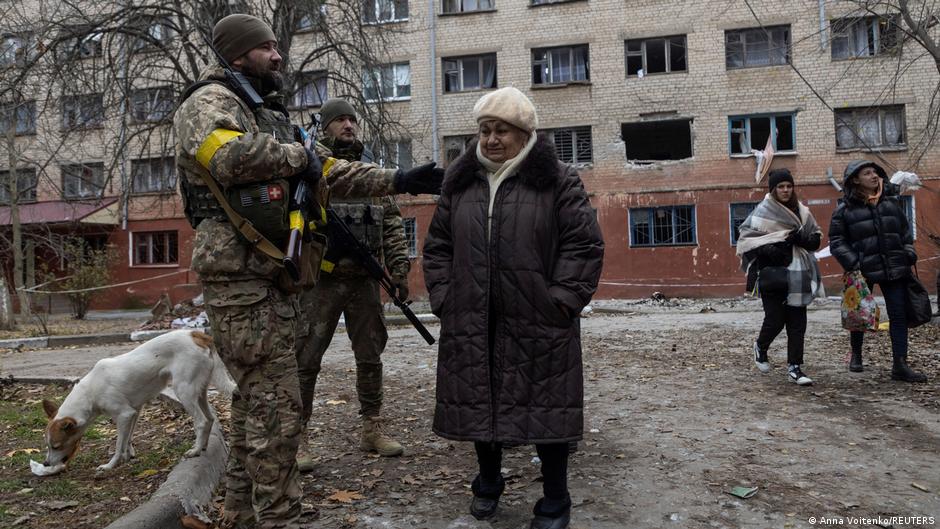
"I receive reports like this every day," Hasanenko told DW. "People want to be given some kind of hope, but there is no hope." She said food was last delivered to the town at the end of May. "The situation is critical," she said, warning that "you can't just call this starvation — it's a famine." Oleshky is located in Ukraine'ssouthern Kherson region on the left bank of the Dnipro River.
The city has been occupied since the start of Russia's full-scale invasion.Russia's full-scale invasionin February 2022. In June 2023, the town was almost completely flooded after a blast at the Kakhovka Power Plant and the breach of the Kakhovka Dam. Hasanenko said the situation worsened last winter.
She said there were about 6,000 people left in the area, including 180 children. They have already become accustomed to living without electricity and gas and have to fetch water from wells. Now, they have to prepare for another harsh winter.
"To be honest, I haven't eaten anything yet," resident Halyna (whose name has been changed for security reasons) told DW by phone at around lunchtime. "My best option for today is a flatbread made of water and flour, as there's still some left. I spread apple sauce on it and make myself some tea without sugar.
Extract — continue reading at the source.