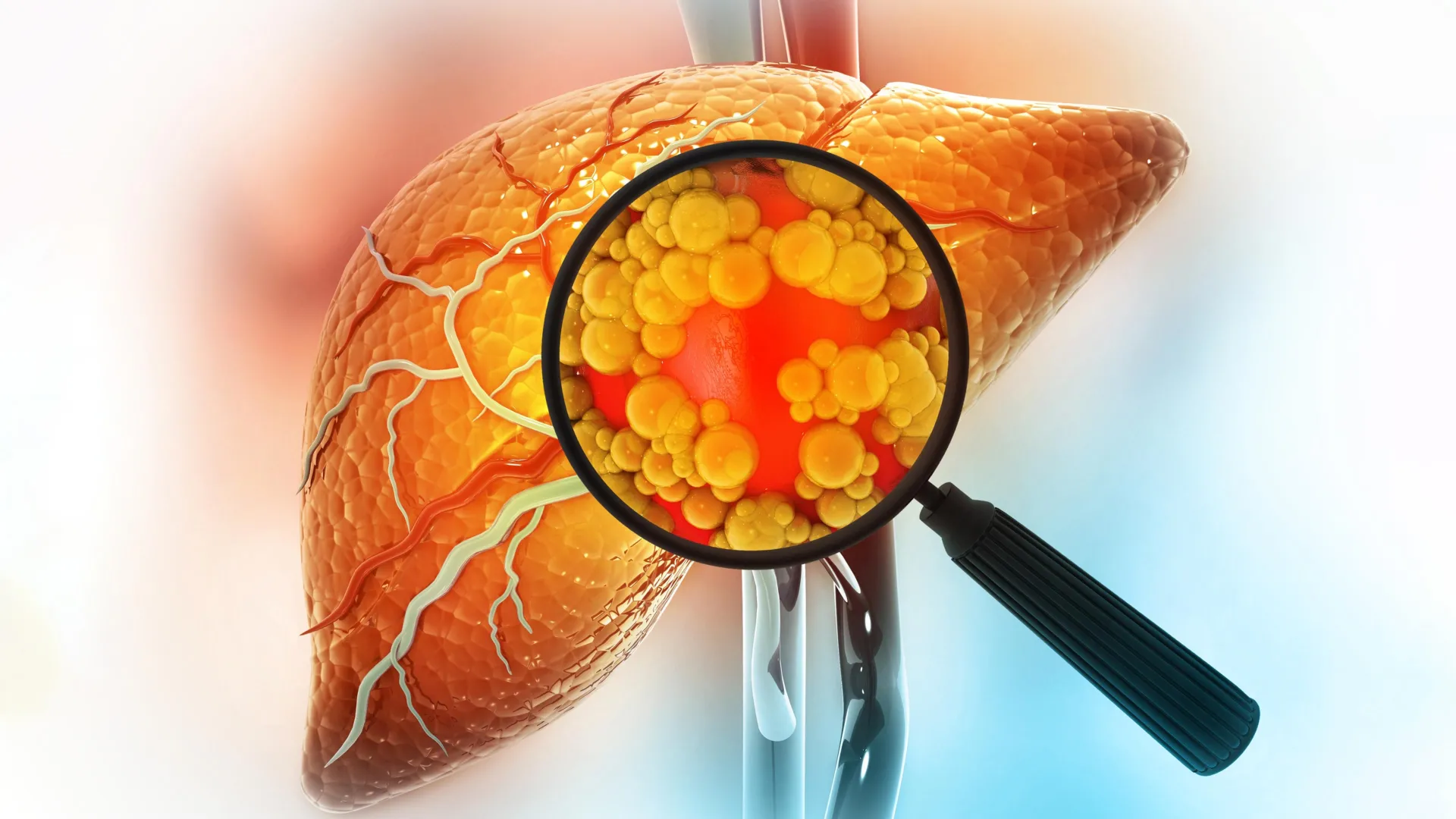
A common liver disease affecting nearly 30% of adults worldwide is far more complex than previously understood. Researchers at Mayo Clinic have identified five biologically distinct forms of the condition, each associated with different risks of serious health complications, including heart disease, liver failure, cancer, and the need for a liver transplant. The findings, published in Nature Communications, come from a collaboration between Mayo Clinic and Virginia Tech.
Scientists discovered that metabolic dysfunction-associated steatotic liver disease, or MASLD, can develop through several different biological pathways. Some are closely connected to obesity and diabetes, while others appear to be driven by inherited genetic differences. One of the most important findings involves the genetic forms of the disease.
These subtypes are associated with a greater likelihood of progressing to advanced liver damage, even in people who do not have the metabolic risk factors typically linked to fatty liver disease. By identifying these differences, doctors may eventually be able to recognize vulnerable patients sooner, improve screening, and select treatments based on the specific biological processes responsible for their illness. "When clinical and genomic data are analyzed together at this scale, you begin to see patterns of disease progression that would otherwise remain hidden," says Shulan Tian, Ph.D., co-senior author and a bioinformatician at Mayo Clinic.
"Once you separate these subtypes, you can start to match treatments to the biology that's actually driving the disease." Why Fatty Liver Disease Can Be Dangerous MASLD, previously known as nonalcoholic fatty liver disease, develops when excess fat accumulates in the liver. Many people experience no noticeable symptoms, allowing the condition to go undetected for years. Although fatty liver disease does not always cause serious complications, it can progress to inflammation, scarring, and permanent liver damage.
Over time, severe cases may develop into cirrhosis, a condition in which extensive scarring prevents the liver from functioning properly. MASLD is a major contributor to cirrhosis, liver cancer, and liver transplantation worldwide. Understanding why some patients experience severe complications while others do not has therefore become an important goal for researchers.
Genetic Analysis Reveals Five Distinct Liver Disease Subtypes To investigate these differences, the research team examined genetic sequencing results alongside extensive medical information from more than 4,600 patients diagnosed with MASLD. Their analysis included liver enzyme measurements, body mass index, blood lipid levels, and other indicators of metabolic health. The researchers also considered additional medical conditions, including diabetes, depression, and sleep apnea.
Extract — continue reading at the source.


