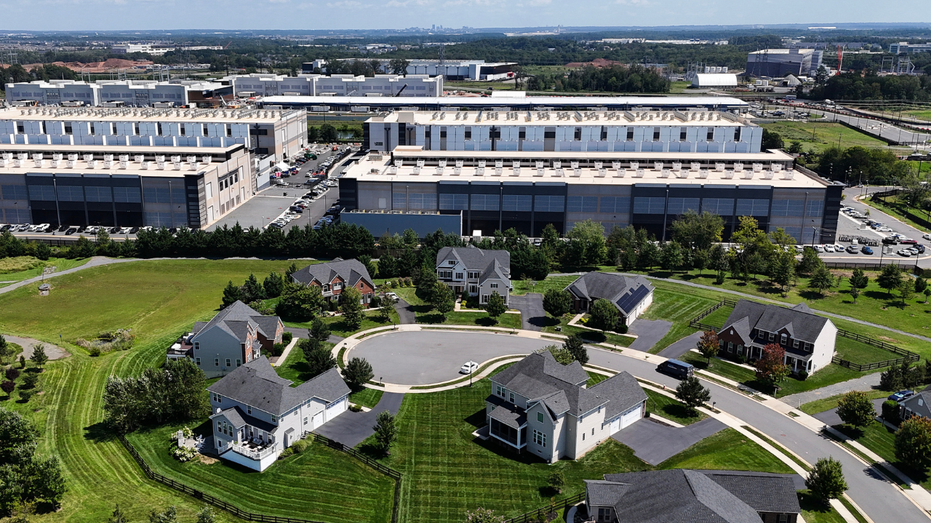
House of Representatives passed the Ratepayer Protection Act (RPA) on Wednesday evening, a bill that looks to shield local communities from higher energy electricity and grid infrastructure costs associated with data center development. The bill, which succeeded with broad bipartisan support in a 417 to 3 vote, is likely one of the last pieces of legislation lawmakers will consider until after the Nov. 3 midterm elections. It also puts a spotlight on the data center issue, which has garnered attention as a proxy for affordability, energy and regulatory debates.
It marks the first data-center-related bill passed in the 119th Congress. WHO PAYS FOR US POWER BOOM? BLUE, RED STATES OFFER STARKLY DIFFERENT WAYS TO LOWER UTILITY BILLS AMID AI SURGE In its current form, the bill does not seek to ban data centers, set limitations on their expansion or really even set regulatory guidelines for them.
Instead, it amends existing energy law, the Public Utility Regulatory Policies Act (PURPA), so states must consider a federal standard: large data centers that consume 100 megawatts or more would pay the full extra cost of the generation, transmission and distribution upgrades built to serve them. Companies would also be required to make financial assurances in the event a project is canceled or moved to prevent local communities from being left holding the bill. Gabe Evans, R-Colo., framed it as a needed step towards keeping data center energy costs from spilling over to local communities.
"As America races to lead the world in AI, we must build the energy infrastructure needed to support this innovation, and stay ahead of competitors like Communist China," Evans said in a statement earlier this year. "But Colorado families, farmers and small businesses should not be forced to cover the costs of new power generation driven by these developments. The Ratepayer Protection Act is a bipartisan, commonsense solution that protects everyday Americans and ensures our nation can continue to win the AI race," Evans added.
The bill’s Democratic co-sponsor, Rep. Kathy Castor, D-Fla., echoed Evans’ thinking. AMERICA NEEDS AI TO SURVIVE.
WORKING FAMILIES ALSO NEED TO SURVIVE IT "My neighbors across Florida are grappling with skyrocketing electric bills. Ratepayers should not have to subsidize wealthy corporations’ growing energy demands, especially from AI data centers," Castor said. In recent months, candidates across both sides of the aisle have carefully framed their thinking around data centers.
Extract — continue reading at the source.