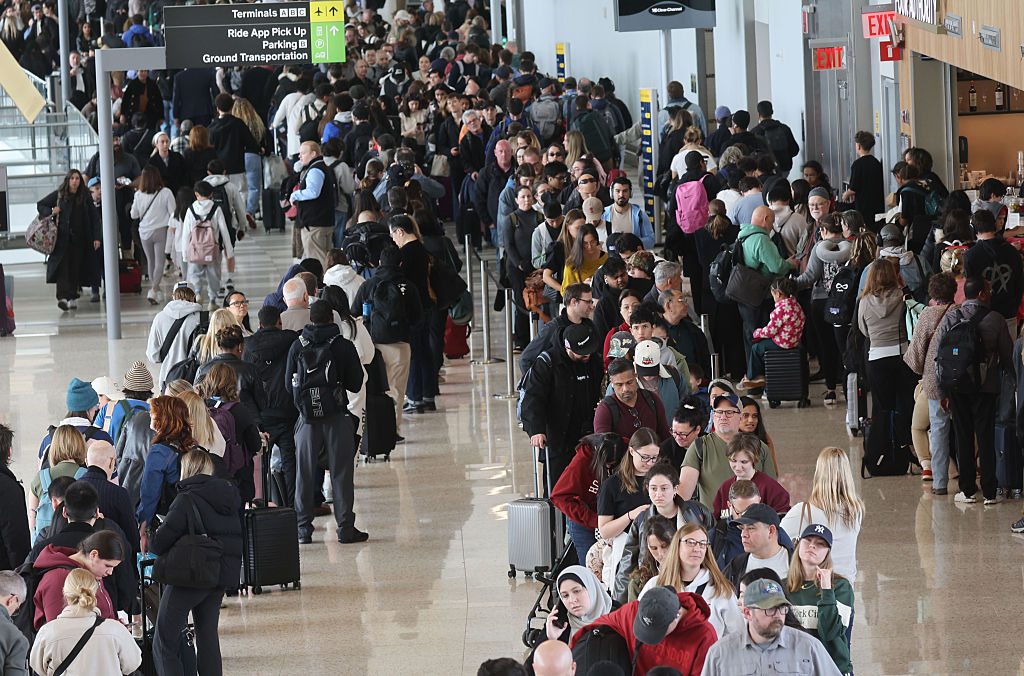
When did flying become so expensive, cumbersome, and, in a word, miserable? While the summer 2026 travel season has officially come to an end, the bite of high airline ticket prices has lasted far longer than anyone would hope. Higher fuel costs pushed up already-steep ticket prices by as much as 27% this summer.
But pricey fares show no sign of abating. As we move into the fall season with Thanksgiving, Christmas, and New Year’s Eve just around the corner, The Points Guy estimates that fares will be anywhere from 9 to 18% higher than last year’s holiday-season tickets. Even before the war in Iran drove oil prices higher, major U.S. airlines had already become experts at turning the screws on the flying public.
The major airlines started charging for checked bags in 2008; nearly 20 years later, U.S. carriers raked in more than $7 billion in 2025 in bag fees alone. Charges for seat selection—windows, aisles, or even just the privilege of sitting further up in the economy cabin—are widespread, even as the seats and legroom have shrunk. And perhaps worst of all, air service has worsened in many smaller cities and at regional airports.
This means fewer airlines competing against each other on fares and schedules, more flights with layovers, and in some cases, much higher prices on less-traversed routes. The federal government has played an essential role in how we got here. While the 1950s to 1970s, known as the “golden age” of air travel, was certainly not perfect, American travelers benefited in many ways from the era of regulated competition.
The federal Civil Aeronautics Board helped ensure that America had a stable, reliable air transportation system that served large and small communities alike and prevented the monopolistic exploitation of passengers. But in 1978, in the name of reducing the government’s hand in the airline industry, Congress passed the Airline Deregulation Act, with the goal of injecting more competition into the air travel business. The theory sounded great: deregulate the airline industry, and the free market will make everything better.
There will be dozens, perhaps even hundreds of new airlines. There will be more competition, lower prices, and no downsides for small communities, workers, or passengers. For a few years, this prediction even appeared to come true, but pretty quickly, the fundamental dynamics of the airline industry came roaring back.
Extract — continue reading at the source.