As the number one importer of Iranian oil, China has a major problem with any constriction of exports in the Gulf - including the US blockade of Iran's ports, which began on Monday. Beijing has condemned the US blockade, calling it "irresponsible and dangerous". It has also reportedly sought to play peacemaker in the conflict, steering its ally Iran towards talks with the US in Pakistan last weekend.
Beijing and Tehran have been allies for decades, but this is a transactional relationship with no mutual defence treaty - though Beijing may get more involved diplomatically. But the blockade creates a serious political, economic, and possibly military risk that both the US and China will want to avoid. At this stage it's very unlikely that China would be involved militarily in the Strait of Hormuz.
The country has a long-held policy of not intervening in other countries' affairs. China, which has always prioritised its own territory, is also not set up for such a deployment. Its nearest logistics hub, Djibouti, is more of an anti-piracy operation.
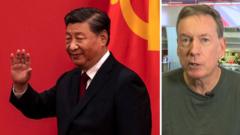
So, why does the country keep cropping up in stories related to the war in Iran? The BBC's security correspondent Frank Gardner explains. Firefighters are trying to contain a blaze at a large petrol tank west of the capital, Tripoli, which was targeted by unknown attackers.
The fifth batch of files released on 7 August include 41 documents, images and videos related to Unidentified Anomalous Phenomena (UAP). Most migrants who reached Spain's North African territory of Ceuta from Morocco have returned, officials said. The US delegation protested comments made by France that compared Washington DC's voting on human rights to that of authoritarian states.
The meeting comes amid signs of friction between the two leaders and decreasing public support for Israel in the US. Less than 24 hours after the agreement was signed, President Trump posted on social media that the deal required Saudi Arabia to . The BBC's Sarah Smith explains the implications of the landmark cooperation agreement between both countries.
Extract — continue reading at the source.