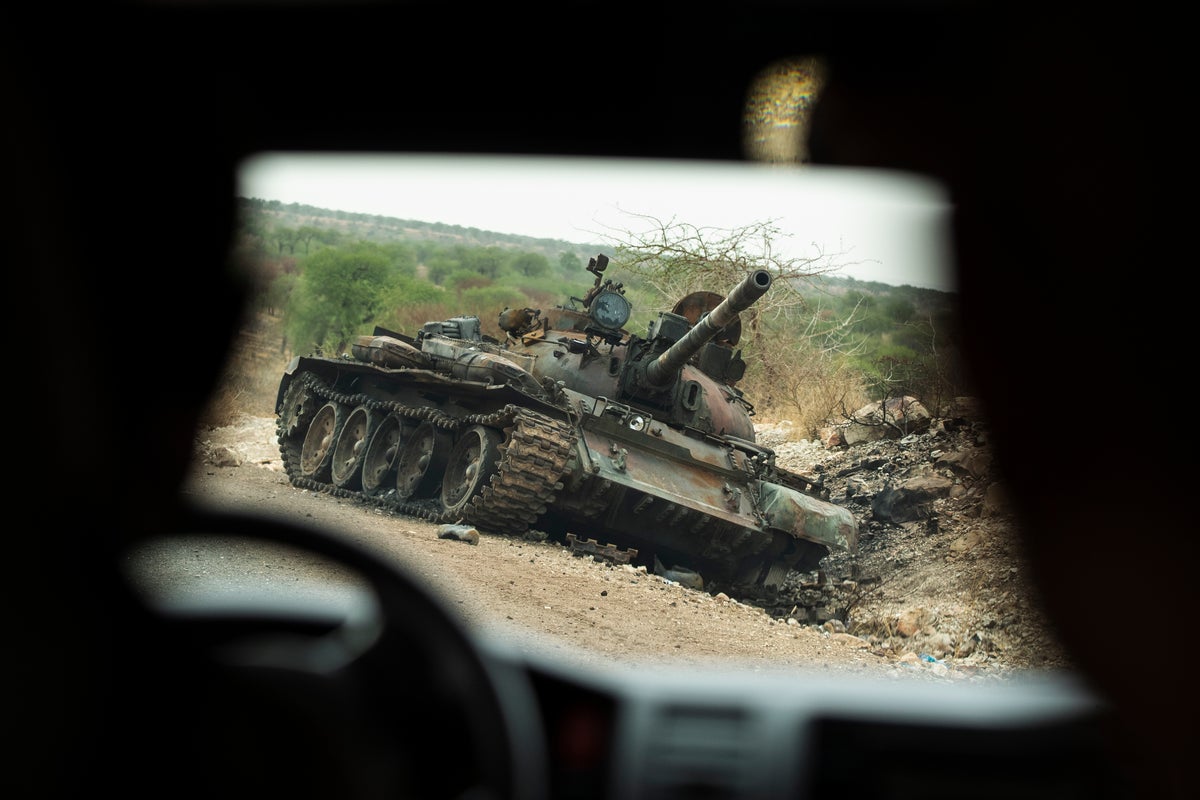
Fears of fresh conflict in Ethiopia’s northern Tigray region are growing as the health system struggles to recover from a devastating civil war that ravaged the region, and as attacks on hospitals and clinics continue. Healthcare facilities were among the casualties of the 2020-2022 conflict, with health workers killed and abducted, as well as premises looted, occupied and destroyed. The war is estimated to have killed 600,000 people, with systematic looting and widespread destruction resulted in the near-total collapse of one of Ethiopia’s best-performing regional health systems.
The rise in global conflict over the last few years, as well as a change in how wars are fought due to improvements in long-range weapons and drones, has led to an unprecedented surge in attacks on healthcare. The same is true in Ethiopia and Tigray, with attacks on hospitals and clinics having continued since the war ended. Healthcare workers were reportedly arrested in July under a new regional proclamation punishing alleged dissent, while in neighbouring region of Amhara, healthcare facilities and ambulances have also been destroyed in government drone strikes in recent months.
Tigray borders Amhara to the south and Afar to the east, both of which were drawn into the war when fighting spread beyond Tigray in 2021. Health workers have also been abducted and killed this year, the Organization for Justice and Accountability in the Horn of Africa (OJAH) group found in a new report. Attacks on ambulances, looting and armed takeovers of health facilities have been reported across the Afar, Amhara and Tigray regions, while health workers have also been targeted and subjected to violence because of their work, according a new report by Physicians for Human Rights (PHR) and the OJAH.
They collected evidence in 2024, 2025 and 2026. Despite the scale of the attacks on healthcare in Tigray, some of which could potentially constitute war crimes under international law, PHR and OJAH warned there has been little accountability, allowing “widespread impunity”. The Ethiopian government and Tigray authorities have repeatedly denied any breaches of international law.
However, medical staff have reported being targeted and experiencing violence because of their work, continuing a pattern of attacks that could have severe consequences for a health system that has barely recovered from the previous conflict. In a joint statement, PHR and OJAH warned of a possible collapse, and called on the the Ethiopian government and the international community to ensure protection of health facilities and health care workers. In March, the Tigray Regional Health Bureau also warned of potential operational collapse, citing chronic shortages of medicines, medical supplies and fuel, as well as health workers who had gone without pay since the beginning of the year.
Forces from the Ethiopian federal army and Tigray have been amassing on either side of the region’s border for the last few months as animosity grows between Prime Minister Abiy Ahmed’s government and the region’s authorities. Both sides have accused the other of attempting to start a fresh conflict, with clashes near the border with Sudan displacing residents and triggering fears of a return to civil war. The new OJAH report alleges that United Nations agencies have not follow up either, due to lapsed investigative mechanisms on Ethiopia and gaps in the publishing of data.
Extract — continue reading at the source.