When I first started visiting Marseille more than 20 years ago, few could have predicted that France’s then beleaguered second city would become one of the most popular destinations in the most-visited country in the world. Tarnished by stereotypes and home to some of Europe’s most disadvantaged neighbourhoods, the port city seemed down on its luck, unloved and, in the eyes of many, somewhere to avoid. Tourists stopping at the city’s Saint-Charles station would clutch their bags while waiting for their connecting train to rural Provence, or the beaches of the Côte d’Azur.
Two decades on, poverty and drug gang violence still affect parts of Marseille, but this rough diamond has been reinvented as a modish holiday destination. Last month, I saw a local TV channel asking whether Marseille had become France’s capital of tourism, after Booking.com revealed it had surpassed Paris and Nice as the most searched-for destination for French users of the site. Breathless foreign media coverage – the New York Times published a “36 hours in Marseille” guide in 2019 and another one in 2025 – has driven the number of overseas visitors.
From seaside petanque to vocoder rap and pizza served on aluminium plates, influencers revel in the golden-hued aesthetic of the urban riviera and promote the city’s most Instagram-friendly corners. Tourist numbers are expected to reach almost 7 million this year. This has proved a boon for Marseille in many ways: more than 20,000 jobs are linked to the local tourism sector, which generates €1.4bn (£1.2bn) annually.
But it has also prompted a heated debate over the challenges of overtourism. This summer has felt like something of a tipping point. In June, the inhabitants of Les Goudes, a rugged fishing hamlet on the city’s periphery that has become an Instagram magnet, took to the streets in protest.
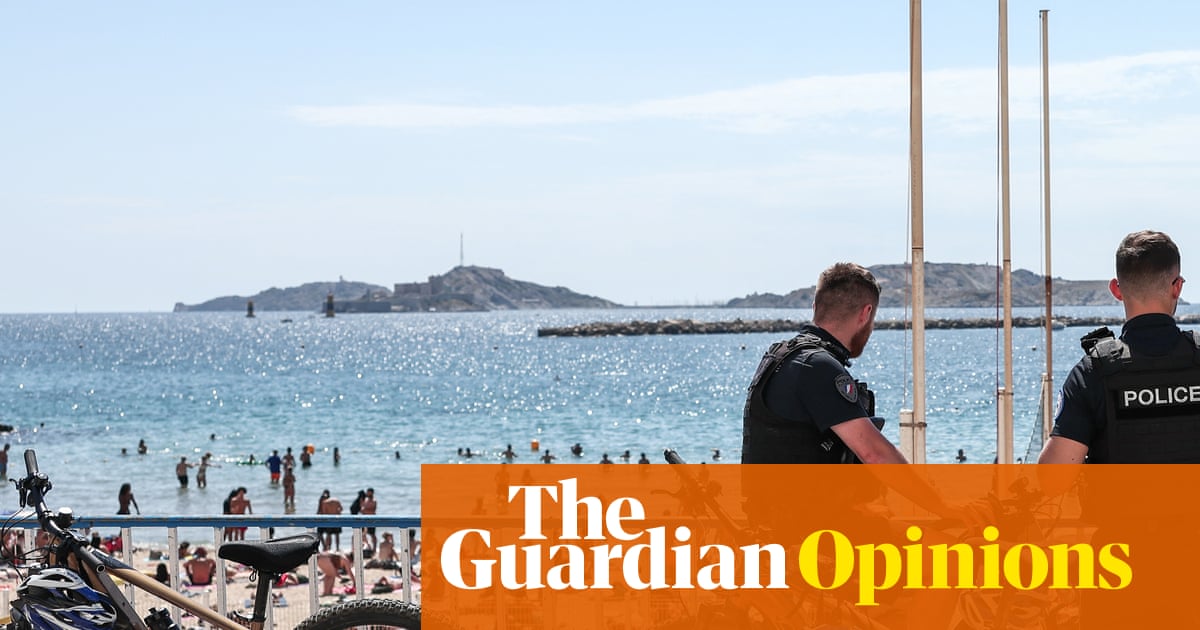
One resident said they were so overwhelmed by visitor numbers that they felt as if they were under house arrest. In Vallons des Auffes, another picturesque tourist favourite, local people are opposing a planned sixth restaurant in its tiny harbour. When swimming was banned at the heaving Plage des Catalans earlier this month due to bacterial contamination, many local people blamed overcrowding.
Residents of other heavily frequented neighbourhoods are organising against what they see as dramatic touristification that has brought with it unprecedented levels of noise and litter, along with higher prices. Anti-Airbnb sentiment, often expressed in graffiti, has been building for several years; the platform began flourishing here partly due to a shortage of hotel rooms. Meanwhile, campaigns against cruise ships have gained popular support, even if local politicians are divided on the issue.
Extract — continue reading at the source.