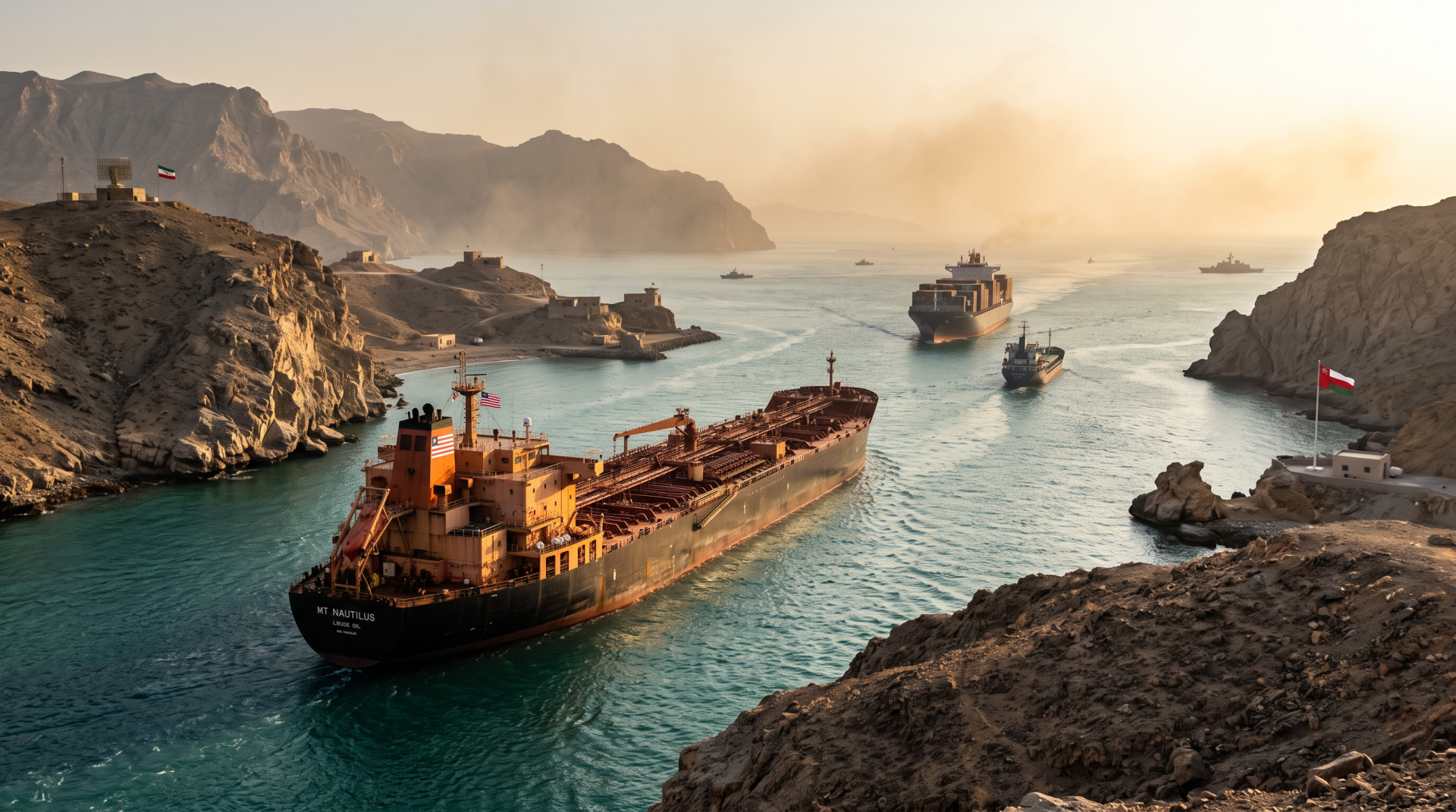
Iran and Oman have reached an understanding on specific entry and exit routes for vessels passing through the Strait of Hormuz following several weeks of negotiations. Later, the Iranian side said maps and a joint document had been prepared for presentation to the Gulf states. The proposal is aimed less at "reopening" the strait than at establishing a coordinated and more predictable route for commercial shipping amid the current crisis.
On September 12, Iran conveyed seven conditions to the United States through intermediaries for the reopening of the Strait of Hormuz. According to Iranian media, the Strait of Hormuz will remain closed until the conditions, which have been approved by Iran’s top leadership, are met. It was also noted that the understanding reached between Iran and Oman does not mean that the Strait of Hormuz will be reopened.
The agreement was due to be presented at a meeting between Iran and the Gulf states. However, Omani Foreign Minister Badr Al Busaidi later said that the meeting had been cancelled. The experts believe that the sides had previously held sharply different positions on the issue.
Tehran insisted on sovereign transit fees, while Muscat opposed direct charges for passage, warning that such a move could fuel tensions and conflict with international maritime law. On August 25, Oman and Iran presented a phased plan to restore safe shipping through the Strait of Hormuz. The joint statement was issued following talks between Omani Foreign Minister Badr bin Hamad Al Busaidi and his Iranian counterpart, Abbas Araghchi.
The proposal calls for the creation of a joint temporary shipping corridor through the Strait, along with a joint project to clear the area of mines. At the next stage, the two sides planned to continue technical talks on establishing a permanent shipping corridor, the future management of Hormuz, information sharing, vessel traffic regulation, and the provision of navigation and related security services. The Strait of Hormuz links Saudi Arabia, the UAE, Qatar, Kuwait, Bahrain, Iraq, Iran and Oman to global markets.
Before the start of the US-Israeli operation against Iran, around 200-300 vessels passed through the Hormuz every day. The waterway handled about a quarter of global oil and petroleum product shipments and accounted for around one-fifth of global LNG trade. It remains unclear how other countries in the region will respond to the agreement between Iran and Oman.
Extract — continue reading at the source.