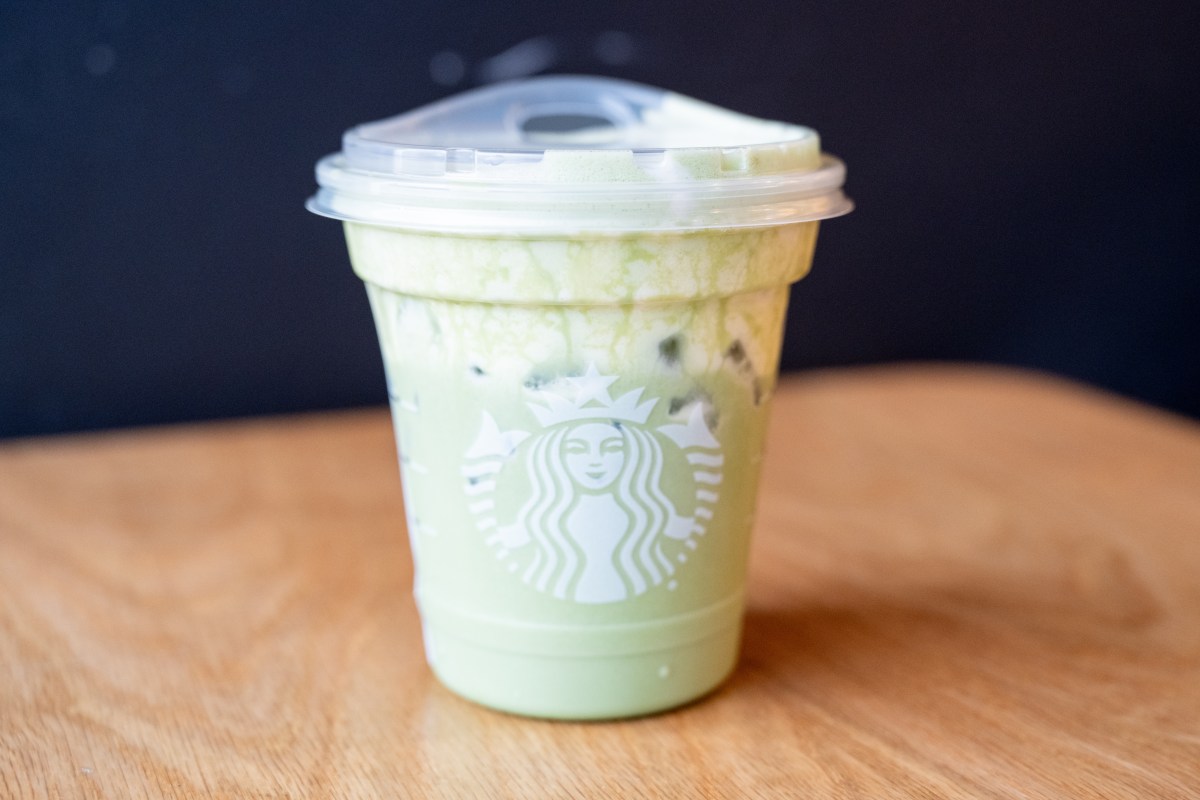
Despite struggling with debt and rising prices, the country’s younger consumers continue to spend on discretionary goods in an indication of what economists have dubbed the “little treat economy.” Data on spending patterns and survey responses show that Gen Z—typically viewed as those born between 1997 and 2012—are opting for small but frequent purchases of things like coffee and pastries, as well as larger “treats” like travel and eating out, even as this age bracket remains heavily pessimistic about the direction of the economy and their own financial futures. It is similar to the “lipstick effect,” an economic theory suggesting that during times of economic hardship, consumers will cut down on purchases but nevertheless buy small luxuries for a brief emotional lift. Common examples of the newer phenomenon include coffee and cosmetics, and a Bank of America Institute study from early August, “The Gen Z reality check,” found that Gen Z were struggling to save and increasing their spending on things like beauty products, jewelry, coffee and travel.
Payments data from the bank showed that discretionary spending has grown among Gen Z across these categories—evidence, its researchers said, that younger consumers are looking to “immediate gratification” and supporting the “little treat economy.” A survey conducted last year by Datassential found that nearly eight in ten (77 percent) of Gen Z will treat themselves at least weekly to a coffee or another form of “treat.” And newly released data from Bank of America revealed that Gen Z are leading the way when it comes to restaurant spending growth “by a wide margin.” The bank said this could be attributed to cooling restaurant price growth, rising grocery costs and increases in after-tax wage growth. A 2025 study by Circana found that 73 percent of U.S. consumers consider “small indulgences” important to their “quality of life.” Of the over 1,000 who were surveyed, 34 percent said they use such purchases to “cope with stress,” and 40 percent said it was because they “can’t afford bigger treats.” Pamela Liebman, CEO of the real estate firm Corcoran Group, recently told Fortune that young, prospective homeowners should “stop buying Starbucks coffee…stop spending money on things that are not necessary” if they hope to save for a first home. But others say daily “treats” are the reaction to limited financial prospects rather than the cause of these.
And the growing evidence for an emerging little treat economy comes as Gen Z grapples with increasingly unaffordable housing and an unstable job market. Comparing the “little treat economy” to the historical “lipstick effect,” Yoon said that today’s indulgences appear “smaller, more immediate, and more frequent.” This, she said, could reflect the conditions in which this group grew up, with on-demand entertainment and shopping, but also the increased stress much of the country now faces. Contact Newsweek editors on this story: Daniel Orton and Gray R.
Extract — continue reading at the source.