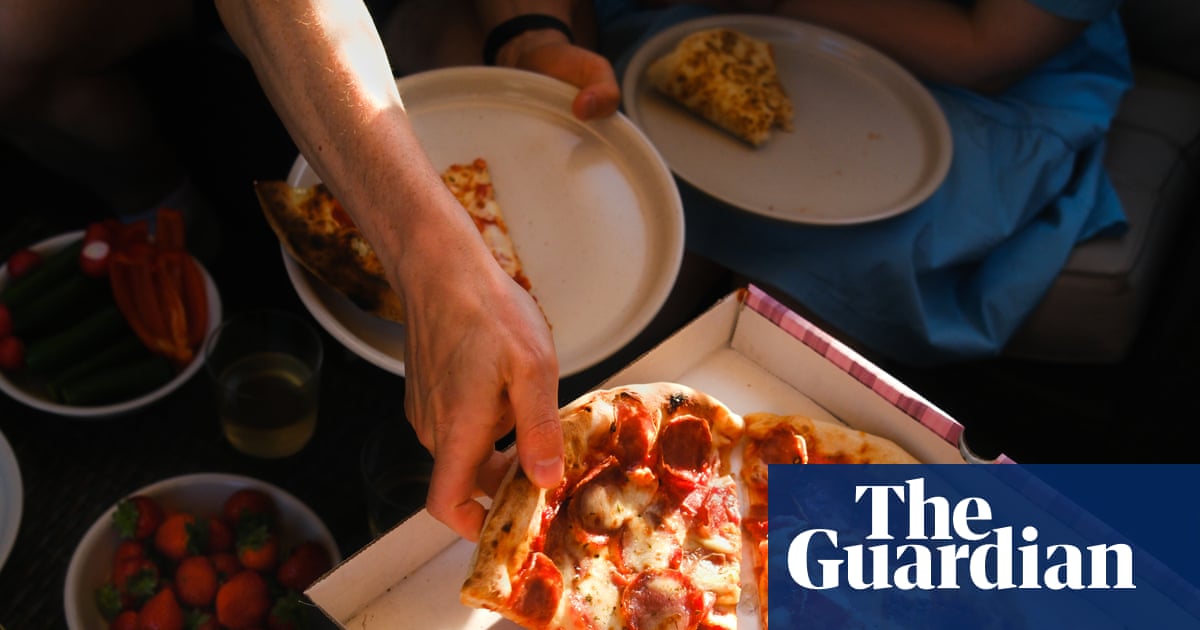
When it comes to food, Caroline Bauldree does not like to “deprive” herself of anything. She does not like to cook either, so that means a lot of food deliveries. The pandemic turned food delivery apps such as DoorDash, Uber Eats and Grubhub, once only popular in major cities, into a full-fledged national lifestyle.
One Purdue study found that two-thirds of consumers used a food-ordering app at least once in 2024; another recent survey from the marketing company FinanceBuzz in partnership with Bank of America found that 57% of Americans get takeout or delivery weekly or more. Gen Z is more likely to feed the habit, clocking in an average of five orders a month – roughly double the monthly orders made by Boomers. Considering the price of food and those ever-pesky delivery fees, it’s an expensive habit; Bauldree estimates spending about $75 a week.
And users might not feel comfortable broadcasting it to the world. According to the Finance Buzz survey, half of its gen Z respondents said they felt embarrassed about how much they spend on food delivery, sometimes so much that they lie about the amount to friends and family. Joy Lu is an assistant professor of marketing at Carnegie Mellon University who studies delivery app pricing.
She calls food delivery an “affordable luxury”: a way for people to treat themselves without majorly splurging. But the fees on delivery apps can add up, resulting in sticker shock at checkout. Lu says people might be afraid to reveal their true delivery tab because they do not want to be perceived as wasting money.
Representatives for Grubhub and DoorDash told the Guardian that users are shown an itemized price, which includes all fees, before they place an order. The DoorDash spokesperson wrote: “There are no hidden costs on our platform.” Last month, New York City’s mayor, Zohran Mamdani, announced a $131.5m fine against DoorDash for “systemic violations of New York City’s Delivery Worker Laws”, including lack of, late, or insufficient payment, and violations of the state’s mandatory minimum wage. It was the largest worker settlement in New York history, with $115m of the funds going to DoorDashers.
In a statement, DoorDash said “our mistakes meant some DoorDashers were underpaid or paid late”, adding the errors were “unintentional”. As the cost of groceries continues to rise – this year, the USDA predicts the cost of “food-at-home” (AKA groceries) will rise 2.4% – some shoppers say it’s becoming just as expensive to cook for themselves as it is to order out. That’s a tough claim to substantiate, as it depends on certain factors.
Extract — continue reading at the source.