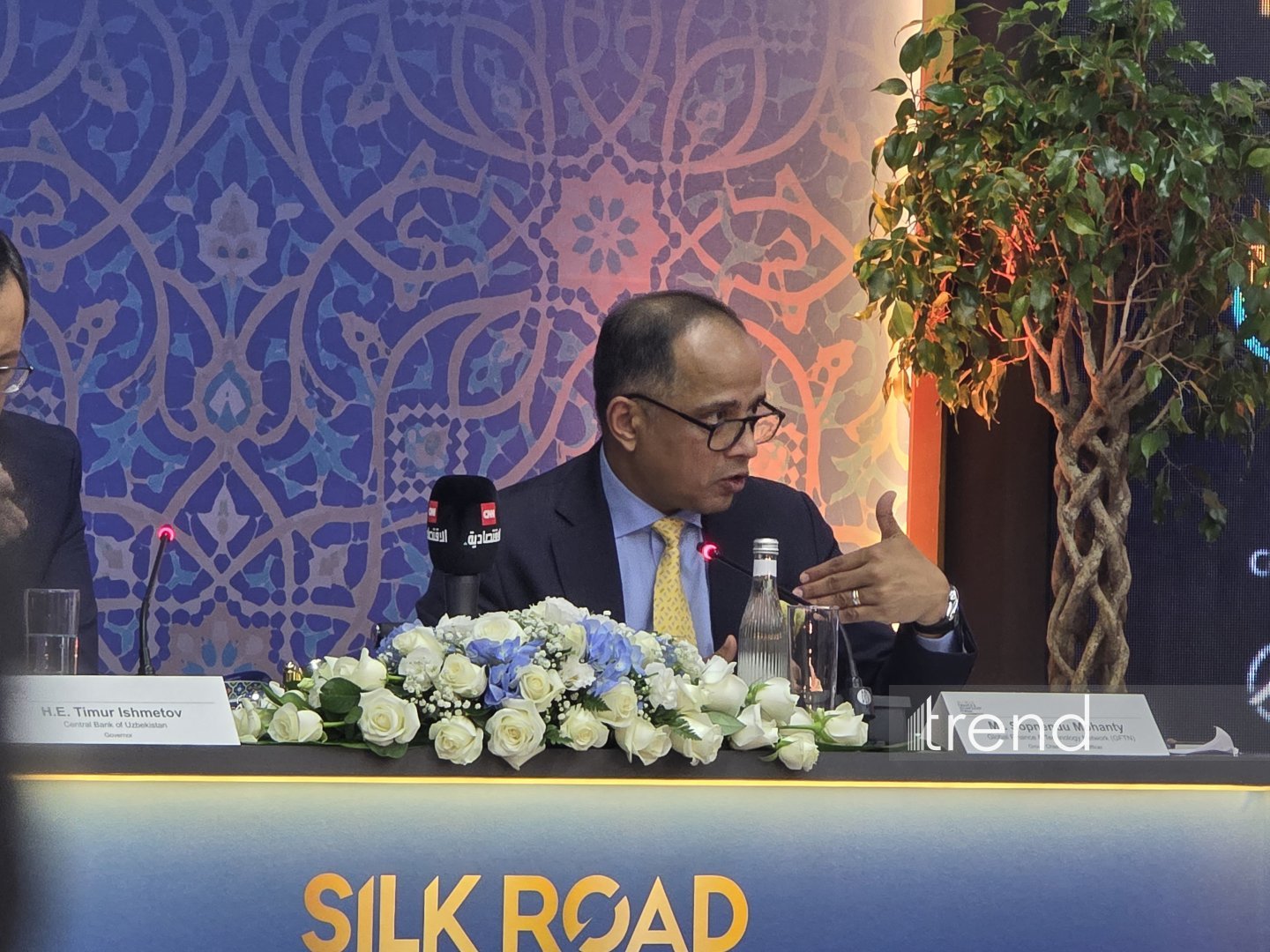
Qlobal Maliyyə və Texnologiya Şəbəkəsinin (GFTN) həmtəsisçisi və Qrupun baş direktoru Sopnendu Mohanty bildirib ki, Özbəkistanda açıq bankçılıq, ödəniş infrastrukturu və tənzimləyici sandboxların inkişafı yerli və beynəlxalq maliyyə sistemləri arasında daha çox qarşılıqlı fəaliyyət üçün zəmin yarada bilər. O, bu barədə İpək Yolu Maliyyə və Texnologiya Forumu çərçivəsində keçirilən mətbuat konfransında bildirib. Mohanty-nin fikrincə, qarşılıqlı fəaliyyət ölkənin maliyyə texnologiyalarının inkişafının əsas elementi olmalıdır, Özbəkistanda inkişaf etdirilən infrastruktura Yaxın Şərq və Sinqapur da daxil olmaqla digər bazarlardakı sistemlərlə qarşılıqlı əlaqə yaratmağa imkan verir.
Mohanty həmçinin mərkəzi bank pulları, bank depozitləri, tokenləşdirilmiş depozitlər və stabilkoinlər də daxil olmaqla müxtəlif pul formalarının inkişaf edən roluna toxundu. Onun sözlərinə görə, qlobal müzakirə getdikcə topdansatış mərkəzi bank rəqəmsal valyutalarının (CBDC) hesablaşma infrastrukturu kimi istifadə edilməsinə işarə edir, pərakəndə CBDC-lər isə mövcud ödəniş sistemlərinin səmərəliliyini nəzərə alaraq daha az aydın qalır. Eyni zamanda, o, tokenləşdirilmiş bank depozitlərinin tokenləşdirilmiş aktivlərlə bağlı əməliyyatlarda potensial rolunu vurğuladı.
Pul topdan ola bilər və ya tokenləşdirilmiş depozit ola bilər "dedi Mohanty. O, həmçinin stabilkoinlərin artan qəbulu və tənzimlənməsinə işarə edərək, onların transsərhəd ödənişləri ucuzlaşdırmağa kömək edə biləcəyini söylədi. Bununla belə, Mohanty hesablaşma alətlərinin seçilməsinin hər bir ölkənin prioritetlərinə və tənzimləmə yanaşmasına uyğun olması lazım olduğunu vurğuladı.
Özbəkistanın maliyyə sektorunun inkişafı ilə bağlı o, açıq bankçılıq və ödəniş sistemlərinin qarşılıqlı fəaliyyətinin vacibliyini vurğulayaraq, bu iki elementin rəqəmsal və köhnə bankların bir-biri ilə yanaşı fəaliyyət göstərməsinə kömək edə biləcəyini söylədi. O, əlavə edib ki, ödəniş sistemlərinin qarşılıqlı fəaliyyəti pulun bazarlar arasında daha səmərəli şəkildə hərəkət etməsinə imkan verən digər əsas komponentdir. Mohanty həmçinin Özbəkistanın fintech ekosisteminin inkişafında beynəlxalq əməkdaşlığın vacibliyini vurğuladı.
Onun sözlərinə görə, GFTN-in rolu həllərin yerli şəraitə və Mərkəzi Bank tərəfindən yaradılmış normativ bazaya uyğunlaşdırılmasını təmin etməklə yanaşı, qlobal qabaqcıl təcrübələri, texnologiyaları və fintech təcrübəsini Özbəkistana gətirməkdir. Hər şeyi xaricdən idxal edib burada etməyiniz həmişə lazım deyil. O, mərkəzi bank çərçivəsində yerli kontekstdə işləməlidir”, - deyə Mohanti bildirib.
O qeyd edib ki, tənzimləyici qum qutuları beynəlxalq texnologiyaları və biznes modellərini daha geniş bazara təqdim edilməzdən əvvəl sınaqdan keçirməyə kömək edə bilər. Deməli, əməkdaşlığa ehtiyac var” deyən Mohanty, əməkdaşlığın maliyyə texnologiyaları ekosisteminin inkişafında mühüm rol oynadığı bazara misal olaraq Sinqapuru misal çəkərək bildirib. Mənbə: https://www.trend.az/casia/uzbekistan/4217611.html © 2026 Trend İnformasiya Agentliyi.
Xülasə — davamını mənbədə oxuyun.