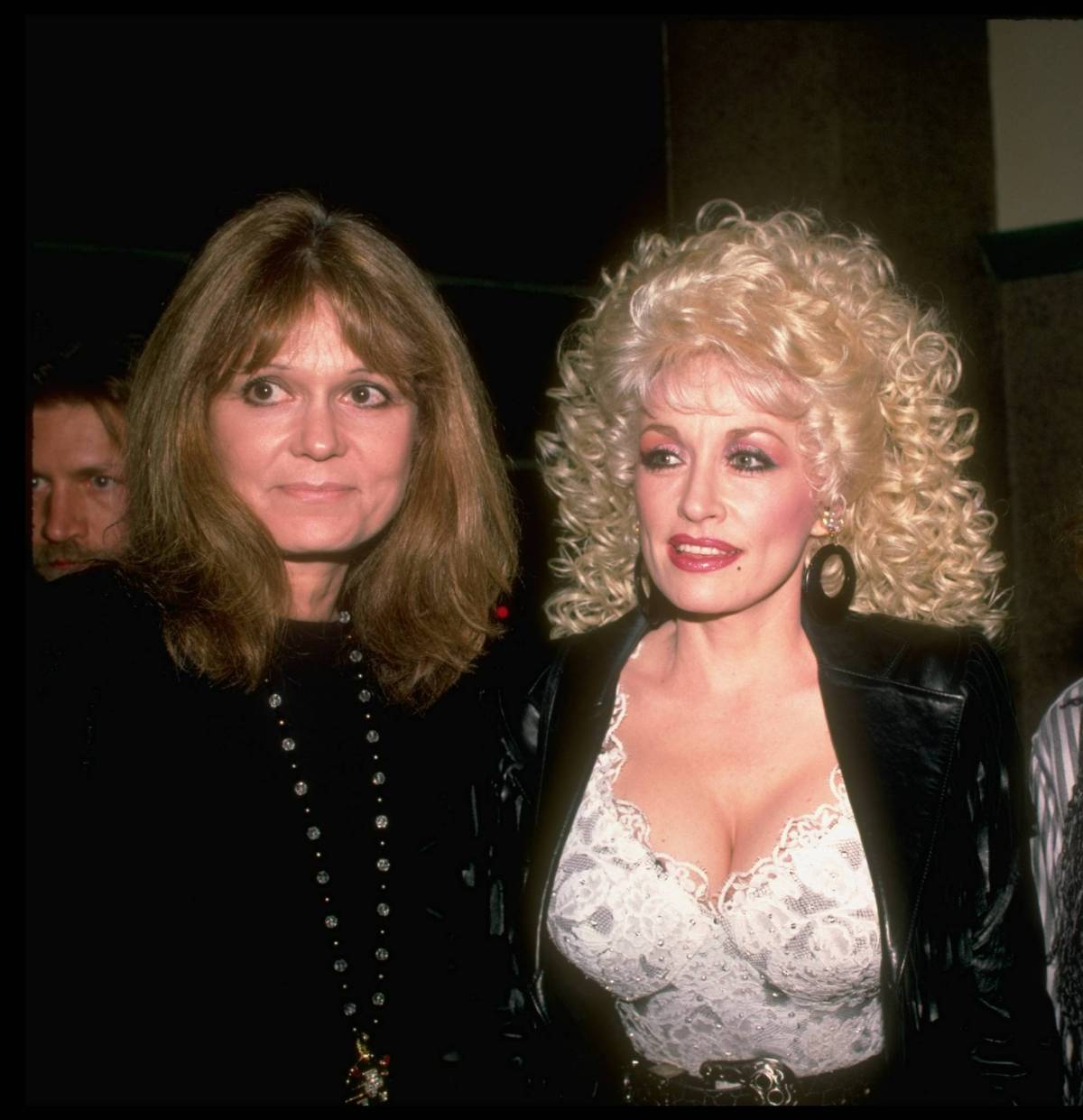
Dolly Parton arrived in rhinestones, high heels and skyscraper hair and showed what that rebellion could look like when it moved from the town square into everyday life. Steinem, who died on Thursday at 92, spent much of her life naming the forces that constrained women and organizing against them. Parton, who died last month at 80, rarely embraced Steinem’s political vocabulary and yet built a life around something strikingly close to feminism’s central promise: the right of a woman to author herself.
That they died just weeks apart is an odd coincidence, but also an oddly fitting one: two women who embodied very different versions of what it could mean to be a woman with agency, leaving the stage almost simultaneously. Their parallel lives suggest something interesting about feminism’s reach. Its influence is not always visible in the people who use its language or identify with its politics.
Sometimes, it shows up in women who simply assume they are entitled to build lives that belong to them. Parton did exactly that, in sequins. Parton’s career was drenched in the very concept of autonomy: she controlled her image; wrote her own songs; built businesses; and turned the femininity that others dismissed as frivolous into part of her authority.
Steinem herself noticed this decades ago. When her magazine Ms. named Parton one of its Women of the Year in 1987, Steinem praised her for turning "the devalued symbols of womanliness" to her own ends. It wasn’t that Parton secretly signed up for somebody else’s politics; it was that she mastered something that feminism prized: self-definition.
Even 9 to 5, perhaps Parton’s most-obvious feminist cultural artifact, made the politics portable. The film turned workplace sexism and unequal treatment into popular comedy, while Parton’s title song gave working women a grievance that could be sung in cars and kitchens without anyone first agreeing on a manifesto. Bonus points: it’s a super-catchy song, especially while sung typing away at work.
Parton nevertheless resisted the label. In 2023, she said she supported equal pay for equal work but added that "feminist" had never quite fit her. "I’m all about living an example rather than preaching it," she said.
Extract — continue reading at the source.