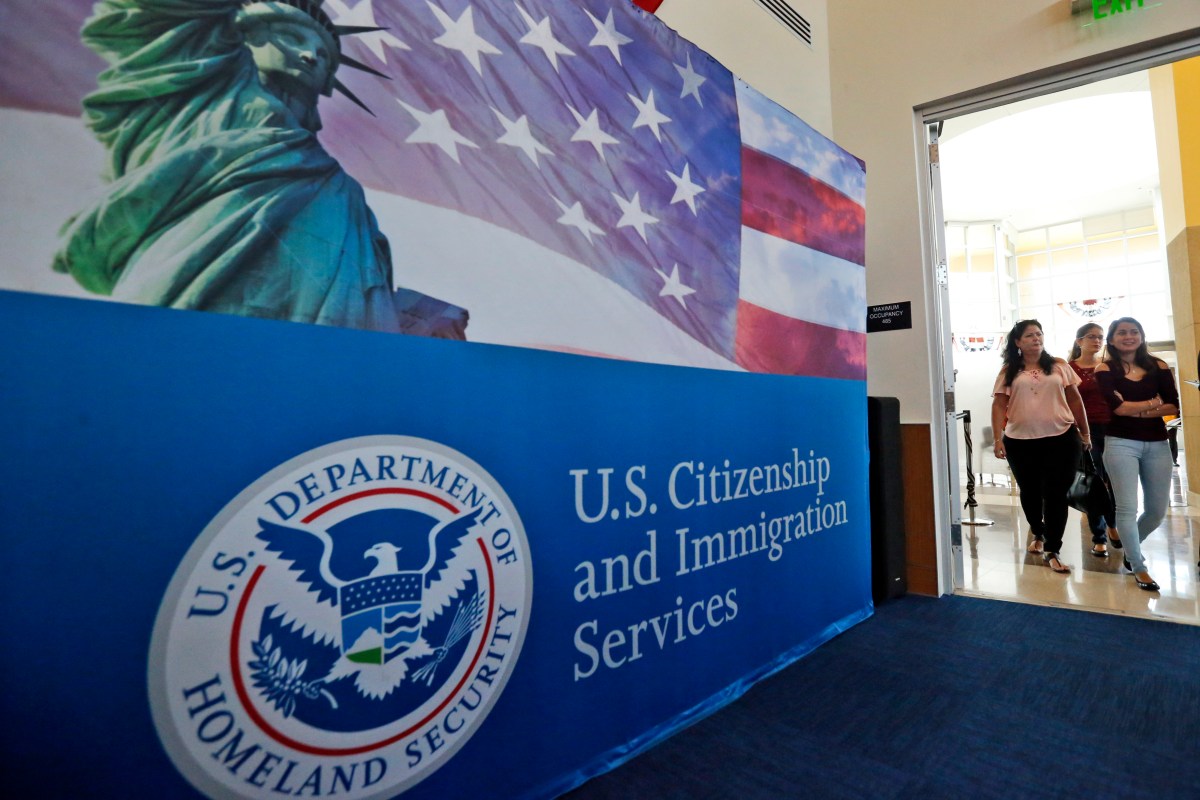
The Trump administration’s proposed $103,265 H-1B visa fee could cost the Treasury as much as $38 billion over 10 years if applications fall significantly, according to a new study. The estimate comes from the CCIA Research Center, the research arm of the Computer & Communications Industry Association, which represents technology and communications companies. The analysis challenges the Department of Homeland Security's (DHS) assumption that employers would continue filing about 85,000 cap-subject H-1B petitions annually after the proposed fee takes effect.
DHS estimates the fee would generate about $8.8 billion a year in revenue. The H-1B visa program allows U.S. employers to temporarily hire foreign professionals in specialty occupations that typically require at least a bachelor's degree or equivalent experience. The program is widely used in the technology, engineering, finance, health care, consulting and higher-education sectors, with companies often relying on it to fill positions requiring specialized skills.
Supporters, including many business groups, universities and technology firms, argue the program helps address talent shortages and strengthens U.S. competitiveness. Critics, including MAGA supporters and immigration restriction groups, say it can be used to undercut wages, displace American workers or increase reliance on lower-cost foreign labor. CCIA's analysis does not predict that applications will fall by a specific amount.
Instead, it models four possible responses by employers to the proposed fee and calculates the effect on federal receipts under each scenario. It also factors in estimated tax revenue that would not be collected if fewer foreign workers were hired. The study found the government would collect more from the fee than it would lose in related tax revenue only if filings fell by less than about one-quarter.
Under scenarios in which filings decline by roughly 36% to 38%, the report estimates federal receipts would be between $32 billion and $38 billion lower over 10 years. A more severe scenario projects a reduction of up to $142 billion. "DHS should reconsider an H-1B fee whose revenue projections depend on assuming no significant reduction in applications despite creating six-figure cost increases per application," Trevor Wagener, CCIA’s chief economist and director of its research center, said in a news release.
Newsweek has contacted the White House for comment via email and is awaiting a response. CCIA used DHS's proposed fee and revenue assumptions as a starting point. The department's proposal assumes 85,000 annual cap-subject petitions, based on the 65,000 regular H-1B cap and 20,000 additional visas available to beneficiaries with qualifying U.S. advanced degrees.
Extract — continue reading at the source.