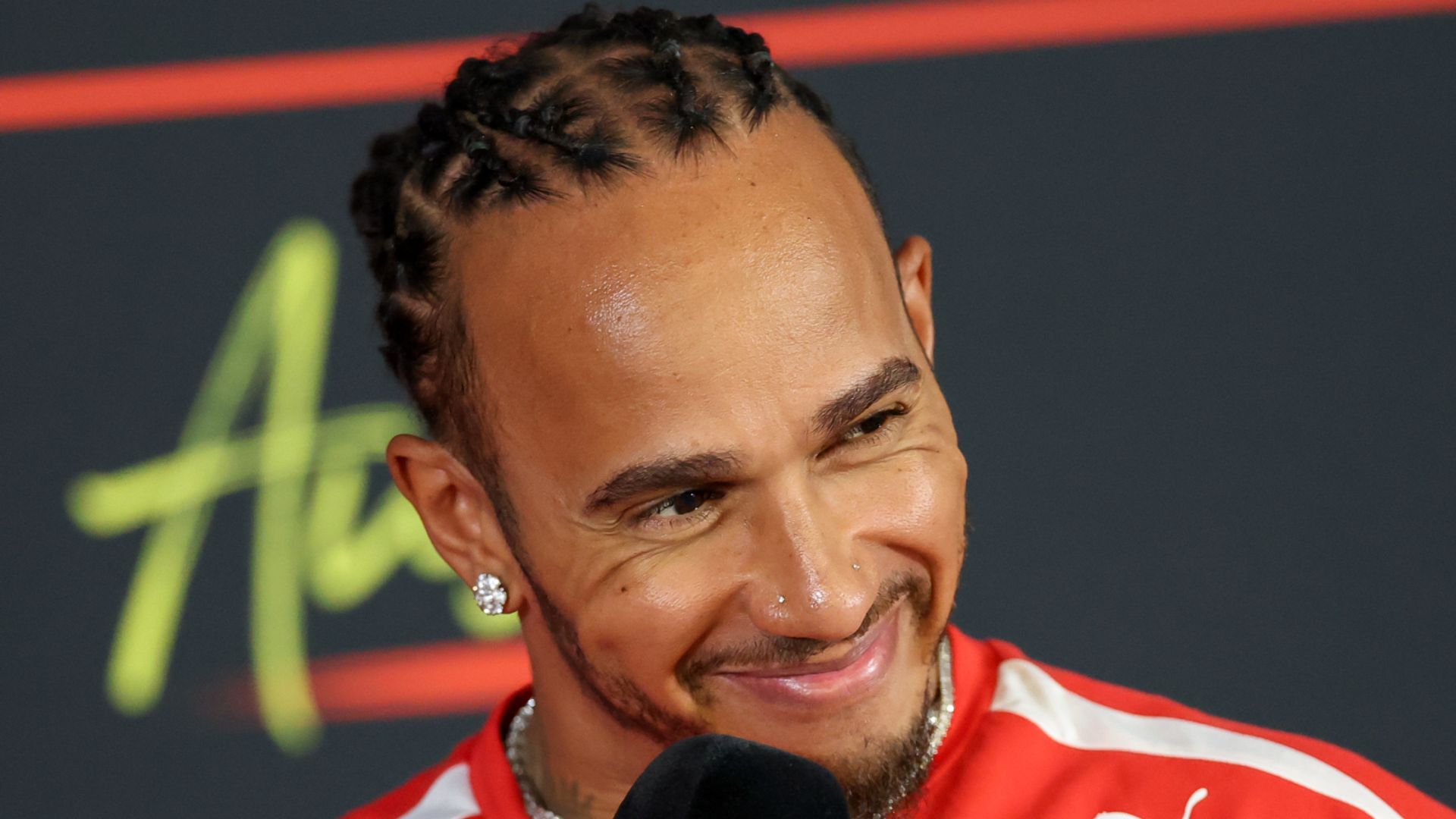
Lewis Hamilton has set his sights on staying in Formula 1 into the 2030s in order to fulfil his dream of racing in Africa. Formula 1 last week announced the addition to its calendar of an African Grand Prix in Rwanda but did not provide a firm date for the first staging of the event, saying instead it will take place in the "early 2030s". Hamilton, who turns 42 in January, will be 45 at the start of F1's 2030 season.
Despite the seven-time world champion accepting there is no guarantee he will still be on the grid at that stage, he is retaining hope of competing in what will be the sport's first race in Africa since 1993. Speaking ahead of this weekend's United States Grand Prix, Hamilton said: "I'm now forced to stay a bit longer because we have a race in Africa and that has been my dream to race in Africa. "So, I'm going to have to keep fighting to stay fit.
If I can keep punching out results over the next years, we will keep it going." Please use Chrome browser for a more accessible video player Hamilton is driving his second season for Ferrari and is known to have a contract with the team until at least the end of the 2027, with a potential option to remain with the Italian squad in 2028 too. His future beyond that point with Ferrari and in F1 remains uncertain, but Hamilton's former team-mate Fernando Alonso has shown what's possible, with the Spaniard set to embark on another season with Aston Martin next year at the age of 45. The announcement of a 10-year deal for Rwanda to host the event was met with criticism from some quarters, with Amnesty International labelling the agreement as "a sportswashing prize for the Rwandan authorities." Appearing to react to some of the criticism that followed the announcement, Hamilton launched a passionate plea for the new event to be approached "with humility".
"I don't get to choose where we go," Hamilton said. "Naturally, there are problems all over the world today, so I've seen many of the stories. But I think we really have to approach it with humility.
"There's a lot that we don't know. Growing up in England, they never taught us anything about Africa. It needs to be on the curriculum.
A lot of the problems they have there are still results of colonialism and the West intervening. "But if you go and see the people, you see so many designs that are out there today from top brands that come from Africa. It's got all the richest resources.
Extract — continue reading at the source.