Every year, starting in late August, I gather with a new group of high school writers from the Columbus City Schools district in my hometown of Columbus, Ohio. The group is small but eager, curious, vibrant. There are usually around seven or eight of us in the room, myself included.
We meet one Sunday a month, in a library meeting room, and we talk about poems and workshop poems, and push each other on what we are or are not doing in our work, and we do this for about four hours each month, and it isn’t until I leave and get back to my home or throw myself back into the machinery of the world (that is nothing like the machinery of that room) that I find myself steeped in gratitude for the miracle of it all. That teenagers, with their full lives, would volunteer that many hours to talk about how to bring poems to life. How to push poems closer to action.
I think what I like most about the room is that it is equitable. Everyone who crosses the threshold is a writer. There’s no hierarchy, which means that these writers are required to challenge me as I would challenge them.
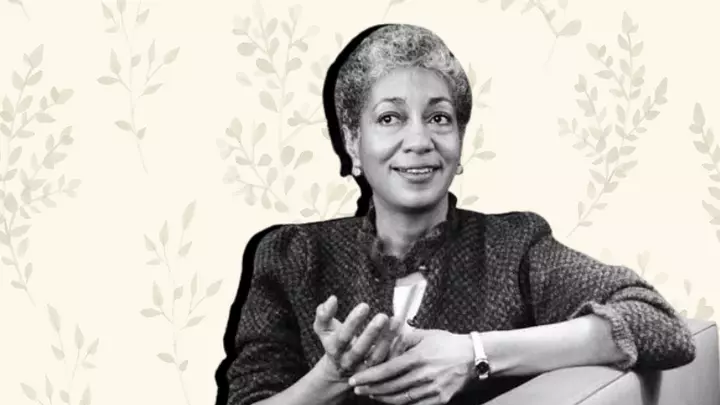
There’s no single correct answer, and sometimes there isn’t an answer at all, but we are, collectively, in the business of seeking. I find myself steeped in gratitude for the miracle of it all… That teenagers, with their full lives, would volunteer that many hours to talk about how to bring poems to life. There’s a now much-shared clip I love of June Jordan, from the 1981 Brockport Writers Forum, during the interview portion of her appearance.
She is giving a long, passionate answer, as she often did. And she hits a crescendo: life is ACTION, inaction is DEATH! If you can’t see that, at this point in history, you’re gone.
I return to this clip often because it captures what most plainly moves me about June Jordan, what I think lived most vigorously in her work, which is an absolute bewilderment at a world full of people who are not driven to madness by the cruelties and brutalities they are forced to endure just by the plain virtue of being alive. The engine of so much of her writing, or so much of her speaking, or so much of her teaching, was pointing to the very real catastrophe and, beyond the pointing, asking what we, collectively, might be able to do about it. The poem as an inflection point, but not the final gesture, is one of the things I try to talk to young writers about, and it’s one of the things that they repeatedly teach me.
Extract — continue reading at the source.