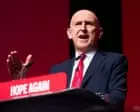
John Healey will not raise capital gains tax in next week’s budget, despite previous calls to do so from cabinet colleagues including Louise Haigh and Wes Streeting. The chancellor has decided that any increase might ultimately cost the Treasury if wealthy individuals defer the sale of assets or move them out of the country, according to Treasury sources. The tax is imposed on profits that individuals make when they sell assets that have increased in value, such as second homes or shares.
The decision not to increase CGT, first reported by the FT and the Times, will mean the chancellor’s main revenue raiser is likely to be raising tax on banks’ profits. In a speech last month, Healey said he wanted to prioritise wealth creation without it being constantly subject to penalties. And I want to draw the line,” he said.
I want our government decisions and policies to raise the levels of confidence and investment and profit in British business.” In the race to replace Keir Starmer as prime minister, several senior Labour figures had suggested a route to equalising capital gains with income tax rates, including Haigh, now the now first secretary of state. Streeting, now the defence secretary, who considered running against Burnham to replace Starmer, had also suggested a rise, calling it a “wealth tax that works”. He said the current system meant a growing gap between earned income and unearned income.
Instead, Healey is poised to tax Britain’s banks in his budget on 28 October, amid strong earnings on the back of rising interest rates, with the UK’s four largest lenders – HSBC, NatWest, Barclays and Lloyds Banking Group – alone having generated £200bn in pre-tax profits over the past five years. Healey is reported to be willing to accept a reduction in the fiscal headroom left by his predecessor, Rachel Reeves. The UK’s cost of borrowing has risen sharply in recent weeks, alongside that of other big economies, which analysts have suggested could as much as halve the £24bn cushion Reeves had built up against Labour’s fiscal rules at the time of the last spring forecast.
The Conservative leader, Kemi Badenoch, will give a speech on Tuesday saying the government should cut its spending plans instead of raising taxes, including cuts to welfare and the civil service. But instead of doing that, Labour are taking out loans to pay the interest on our loans,” she will say. The right way is to bring spending down now.
Fairness to taxpayers, fairness to future generations and fairness to those who really need support. Under our golden economic rule, half of the savings we have made would go to reducing the deficit.”
Extract — continue reading at the source.