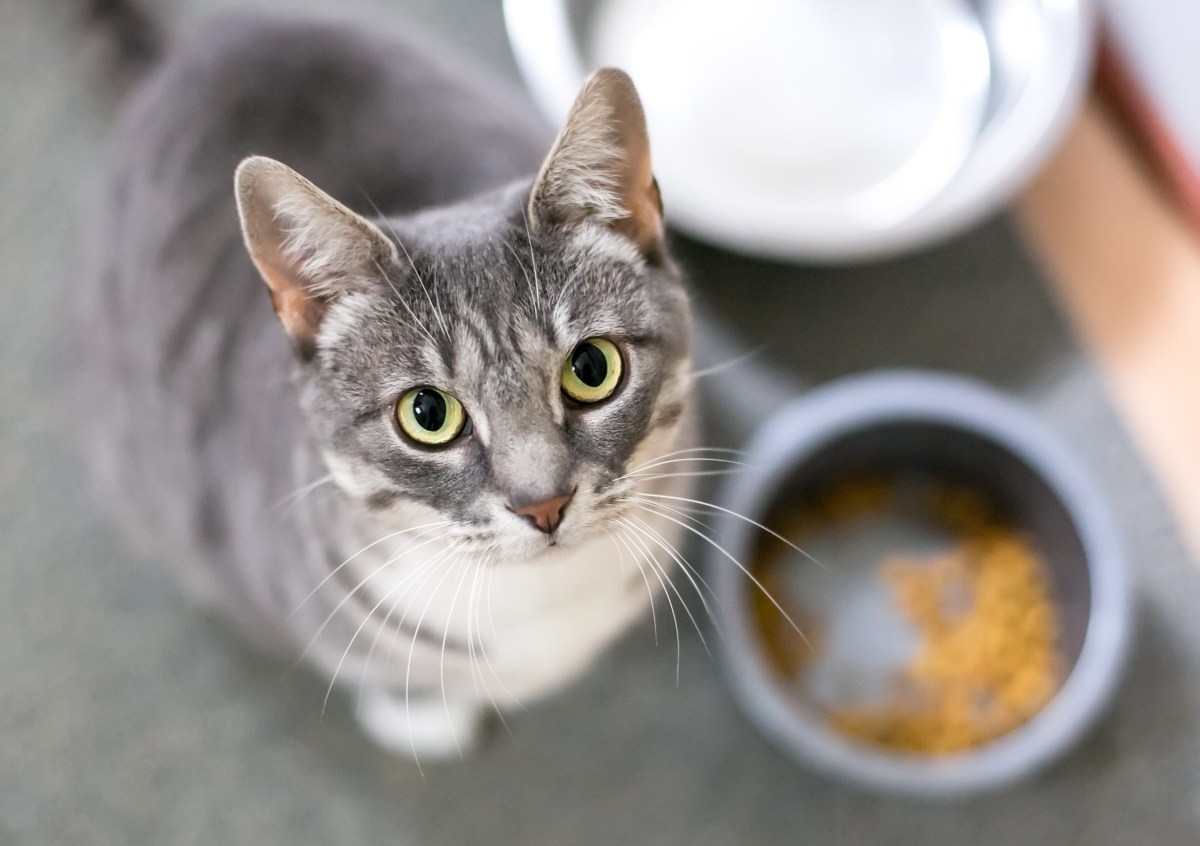
Popular U.S. cat foods contain detectable levels of heavy metals and other contaminants, according to a report released Friday, as industry representatives are challenging the methodology as they reassure consumers that their pet food is safe. Without any dietary variety, any contaminants present in the foods a cat eats can become a consistent and ongoing source of exposure, potentially accumulating in their bodies over the course of their lives,” the report by the Clean Label Project states. The Colorado-based nonprofit tested 100 cat food products from 62 brands, finding lead in 99 percent of tested samples, cadmium in 96 percent and arsenic in 94 percent.
Mercury, glyphosate and plastic-related chemicals were also detected, according to the report. The organization said dry cat food contained roughly three times as much lead as wet or air-dried products, while fish- and seafood-based formulas carried significantly higher mercury and cadmium levels than foods made with other proteins. Clean Label Project named only three brands that meet its certification: BIXBI, Freshpet and Smalls.
The findings have drawn scrutiny from industry groups and nutrition experts who say the report compares contaminant levels across products rather than determining whether any food poses a health risk to felines. The study also relied on a single batch of each product tested, a limitation acknowledged by the authors. Hana Bieliaskas, a spokesperson for the Pet Food Institute, told Newsweek that the study compared products against the Clean Label Project's proprietary "purity standard" rather than recognized scientific and regulatory benchmarks developed by organizations such as the Association of American Feed Control Officials and the National Research Council.
Bieliauskas also noted that the report did not demonstrate that any detected contaminants were present at levels capable of causing health problems in cats. She questioned whether the study had undergone independent peer review, whether underlying product-level data and statistical analyses would be released publicly and whether testing a single batch of each product was sufficient to draw broad conclusions about brands. The Pet Food Institute said consumers would benefit from more transparency about the commercial relationship between Clean Label Project and brands that receive certifications or awards through its programs.
The trade group's criticism echoes a key limitation acknowledged in the report itself. According to the Clean Label Project, each product was tested from a single batch, meaning the data could not account for variation between production runs. The organization also noted that the analysis "does not determine whether a specific product will cause harm to a cat." "Cat owners increasingly choose premium meats, organic vegetables and cleaner labels, assuming higher prices and quality ingredients mean healthier food," Molly Hamilton, executive director of the Clean Label Project, told CNN.
"That's not necessarily the case." The Pet Food Institute maintains that pet owners should remain confident in commercially available products. In a statement to CNN, CEO Elise Fenning said manufacturers use ingredient specifications, supplier verification, testing protocols and preventive controls designed to ensure products are safe and nutritious. Newsweek has contacted the Clean Label Project for responses to the Pet Food Institute's criticisms, including questions regarding regulatory benchmarks, peer review, underlying data and certification programs.
Extract — continue reading at the source.