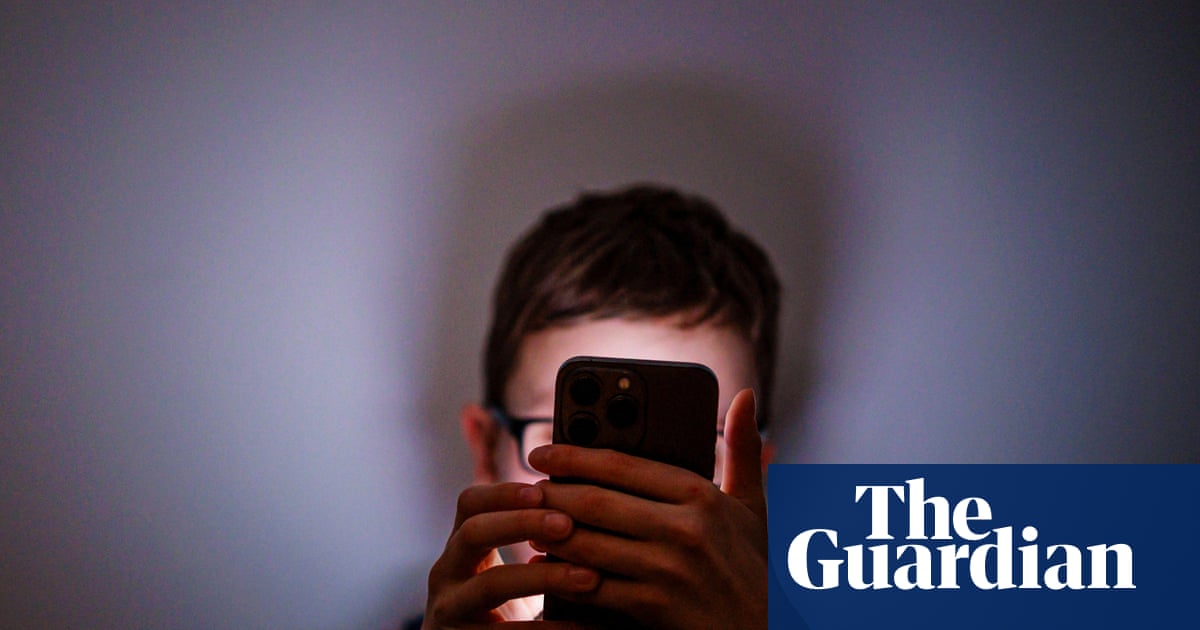
The effect of high screen time on children is as significant as parental behaviour and premature birth, if not greater, a global study has found. Researchers examined data on more than 2.8 million children across 64 countries and concluded that elevated screen exposure could affect children in areas including academic achievement and emotional problems. It is one of the largest ever studies on the subject.
The impacts are “similar in magnitude to or larger” than other factors linked to child development and mental health outcomes including family wealth, the behaviour of parents and whether or not children were born prematurely. Higher screen use for gaming, social media and streaming can lead to lower academic achievement and language development issues, the study suggests. Some experts said the report had limitations, arguing that the findings in “no way” support the belief that screens are the main cause of adolescent distress.
Researchers found in the review, published in the journal JAMA Pediatrics, that children who spend more time on screens have higher “socioemotional” and mental health problems. Academics conducted a so-called umbrella review, which summarises results from previous large reviews on the topic. Researchers found that longer durations of digital and social media use were linked to “less favourable outcomes across multiple (although not all) measured domains of children’s developmental health”.
The analysis covered a variety of devices, from smartphones to televisions, and a range of activities including scrolling social media, gaming and FaceTime calls. It found that greater screen exposure was associated with overall lower grades at school. When academics examined specific subjects, screen time did not appear to be linked to maths, reading or science attainment, but the researchers said these were “among the least studied”, so the finding may be due to a lack of evidence.
The researchers, led by academics at the University of Calgary in Canada, did find that higher screen time was also linked to poorer language development. When they looked at mental health, they found that higher screen use was linked to emotional and “peer problems”; “internalising behaviour”, which includes symptoms of depression and anxiety; and externalising behaviour, including aggression and attention deficit hyperactivity disorder symptoms. We should therefore be cautious in interpreting these results in the context of young people’s current screen use habits,” she said.
Additional reporting by Press Association
Extract — continue reading at the source.