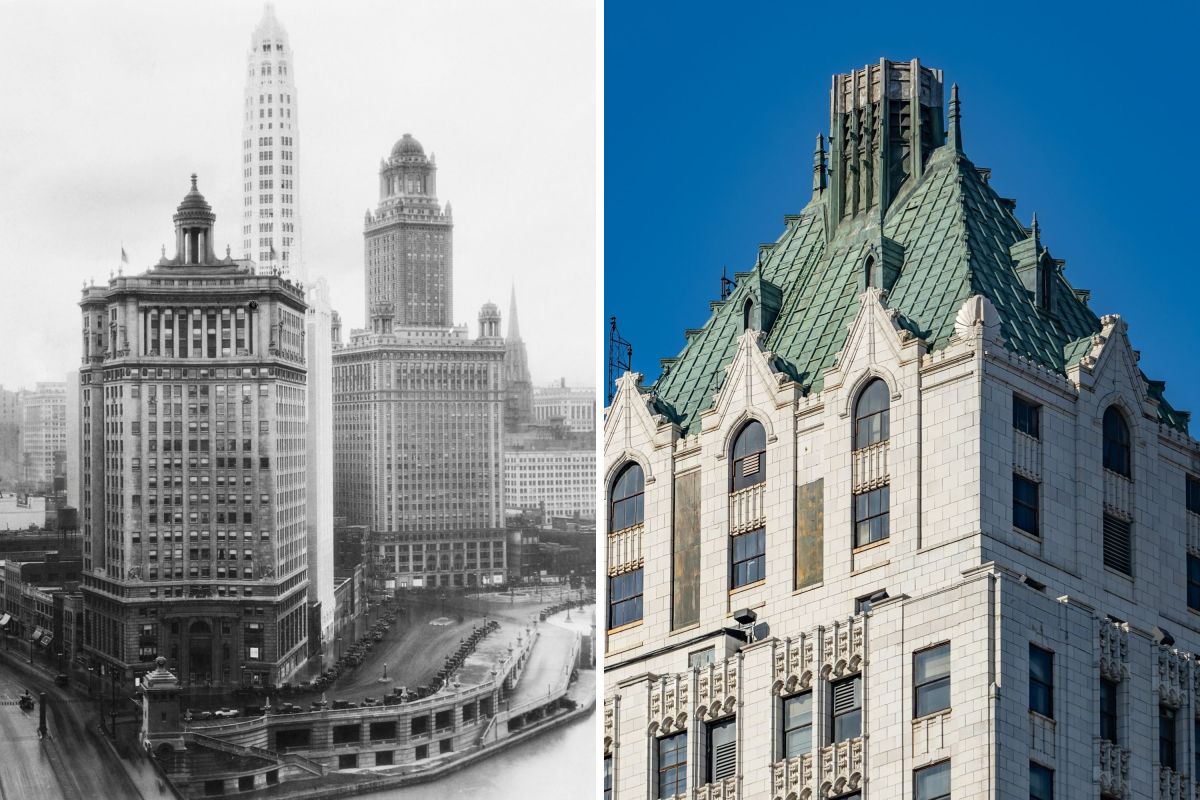
One of Chicago's most historic skyscrapers—the Pittsfield Building—is entering a new chapter. The 38-story Gothic Revival tower, completed in 1927, is being transformed from largely office space into hundreds of apartments, in what is described as one of the largest historic terra cotta façade restorations in the United States. Located at the corner of Washington Street and Wabash Avenue in the heart of Chicago’s busy Loop, the tower was among the tallest buildings in the city when it opened and helped define the city's emerging skyline in the 1920s.
Originally designed by Graham, Anderson, Probst, and White, the Pittsfield Building became known for housing doctors' and dentists' offices. Today, it is being reimagined as a mixed-use residential complex. According to Pappageorge Haymes Partners, the Chicago-based architectural firm leading the restoration, the project will add 214 new apartments, including affordable housing, to the building's existing 228 residential units.
The Pittsfield Building transformation is among a growing number of adaptive reuse projects. Among the most recent high-profile conversions has been New York City’s Flatiron Building, one of the world’s earliest skyscrapers and among the city’s most iconic architectural landmarks. The 307-foot-tall, 24-story tower, built in 1902, is also being converted into private residences.
The building’s transformation marked a major milestone in June, when its façade was lit for the first time in its 124-year history. The Pittsfield Building's exterior is one of its defining features. The building is clad in polished black granite at street level and gray terra cotta above, with Gothic ornamentation concentrated around its lower floors, setbacks, and tower crown.
As of June, restoration work had already begun. "The extensive multi-million dollar exterior masonry and terra cotta restoration effort at the Pittsfield has begun, and construction is now underway," architect Robert Harris, a senior associate at Pappageorge Haymes Partners, told Newsweek. He added that interior demolition work would soon begin as preparations advanced for the office-to-residential conversion.
Harris said the building's façade "represents one of the finest remaining terracotta clad high-rise examples of the era" and is currently undergoing one of the largest terra cotta restoration projects in the country. The property's landmark status is central to the project. Harris noted that the Pittsfield is both a City of Chicago Landmark and part of a downtown historic district, while also pursuing National Historic Landmark status.
Extract — continue reading at the source.