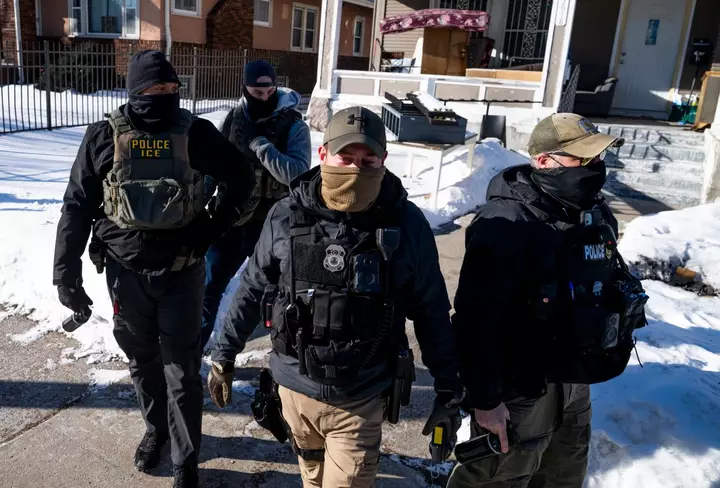
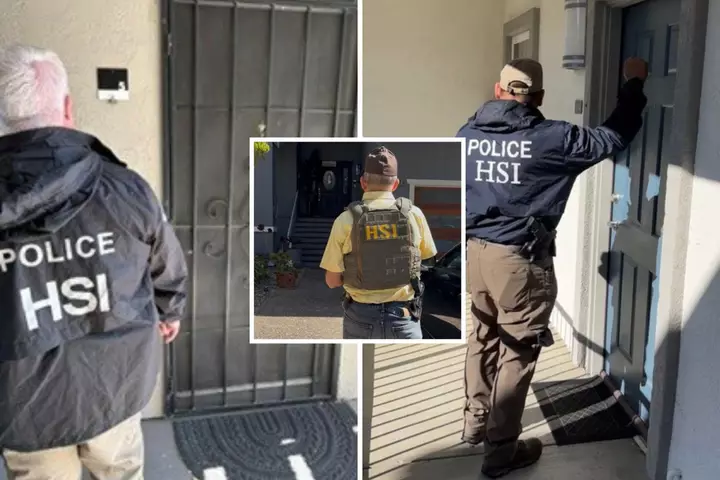
The nation’s homicide rate has dropped to its lowest level since 1900, and the historic plunge over the past four years has touched off a vigorous, high-stakes debate over who and what deserves credit. On the campaign trail, President Donald Trump has pointed to immigration enforcement and National Guard deployments. Others have emphasized pandemic-era social spending and the expansion of community violence intervention programs.
Those are the most visible claims, but they are only a few among dozens of possible explanations. What about the rapid spread of police surveillance cameras and license plate readers? Improvements in emergency response and trauma care?
The crackdown on illegal firearms dealers and ghost guns? Declines in alcohol consumption? The explosion in use of GLP-1 medications that may suppress impulses?
The shrinking amount of time young people spend socializing in person? To sort through the dizzying list of possibilities, the Council on Criminal Justice brought together four dozen researchers from criminology, economics, public health and other disciplines to assess the most commonly cited drivers of the homicide decline from 2022 through 2026. Over two days, the scholars reviewed evidence, debated competing claims and then anonymously rated 48 factors based on how much each may have contributed.
The results are not a triumph for the left, the right or some mushy middle. They are a rebuke to the habit of forcing explanations for difficult national problems through an ideological filter—and a reminder that complex questions become easier to answer when evidence does the sorting. There was broad support for community violence intervention—efforts to engage people at highest risk of shootings—which expanded significantly in many cities with high homicide rates and large recent declines.
But focused deterrence, a “carrot and stick” approach combining targeted law enforcement and threats of prosecution with offers of services and support, ranked near the top as well. Researchers also saw a contribution from proactive policing: the revival of officer-initiated patrols, stops and other preventive enforcement that had declined in some cities after George Floyd’s murder in 2020. Other leading explanations included easing of pandemic-era disruption, increased local government capacity and a greater concentration of public safety and support resources among a shrinking population engaged in risky behaviors.
Extract — continue reading at the source.