In recent days, media outlets close to Saudi Arabia have been widely reporting on the rapid offensive by Yemeni government forces and their advances in areas controlled by the Houthis. It was reported that a number of settlements had come under the control of government forces, that the offensive would continue, and that, as a result, the road to Sanaa could be opened. However, on September 10, the direction of events suddenly changed.
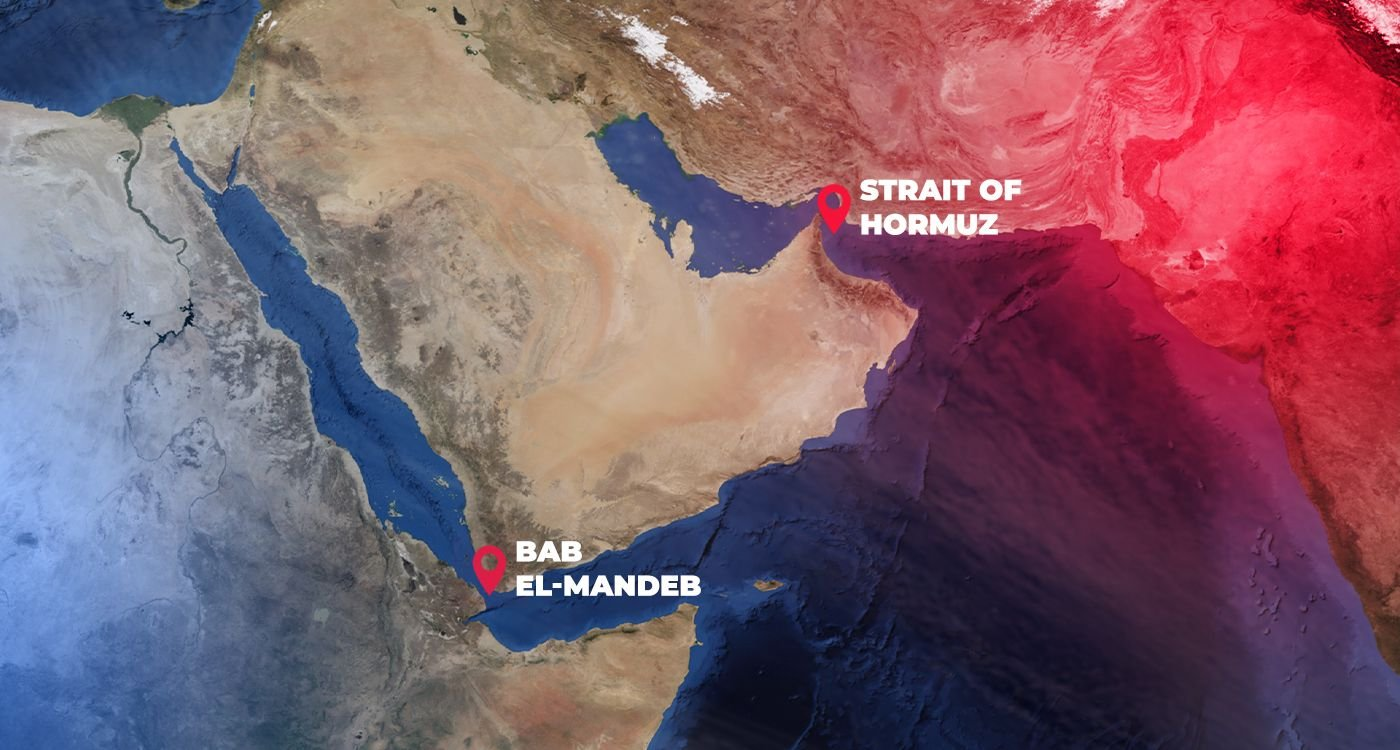
The Houthis launched an unexpected counterattack and captured the strategically important city of Mocha on the Red Sea coast. This ancient port city, located in Taiz province, is of particular importance due to its proximity to the Bab al-Mandab Strait. According to , the Houthis then advanced towards the strategic Hanish Islands in the Red Sea.
Yemeni military sources also reported that government forces had abandoned Mocha and retreated further south towards Dhubab. Dhubab is located directly opposite the Bab al-Mandab Strait, near the island of Perim (Mayun). The significance of these events is not limited to the loss of just one city.
The capture of Mocha has brought the Houthis closer to the Bab al-Mandeb Strait, one of the world’s most important sea lanes. If they can consolidate their position in the Dhubab and Perim straits, the threat to international shipping through the Red Sea could increase significantly. Yemen has long been a key staging area for regional rivalry between Iran and Saudi Arabia.
More broadly, the conflict is one of the most important examples of the proxy network that Iran has built up over the past few decades. Since the 1979 Islamic Revolution, Tehran has placed great emphasis on cooperating with local armed and political forces to expand its influence in the region. The basic logic of this strategy is simple: instead of engaging in direct confrontation with a more powerful adversary like the United States, Iran has been building forces in various parts of the region that can exert pressure on it.
However, this policy has been criticized for many years. The main argument of the critics was that Iran is significantly weaker than the United States in terms of economic, technological and military capabilities and cannot gain a strategic advantage by dividing its limited resources across multiple regional fronts. On the contrary, it can exhaust itself by fragmenting its forces.
Extract — continue reading at the source.