Reaching a gate for a commercial flight at a U.S. airport today typically demands a valid boarding pass, federal government security screening, and careful attention to the contents of carry-on luggage. Air travel was not always so strictly regulated. In earlier decades, airlines used private contractors to operate security checkpoints.
Full-sized shampoo bottles and cans of shaving cream were not confiscated for exceeding liquid limits, and friends and relatives could walk departing passengers straight to the gate to exchange goodbye hugs. The screening procedures and security systems in place today were built layer by layer, often after attacks or foiled plots exposed fresh vulnerabilities—ranging from explosive devices hidden inside checked baggage to hijackers turning commercial airliners into weapons. "Attacks on aviation have an impact much greater than attacks on anything else because aviation commands the attention of the world as the thing that links the world," said Mary Schiavo, an aviation disaster attorney.
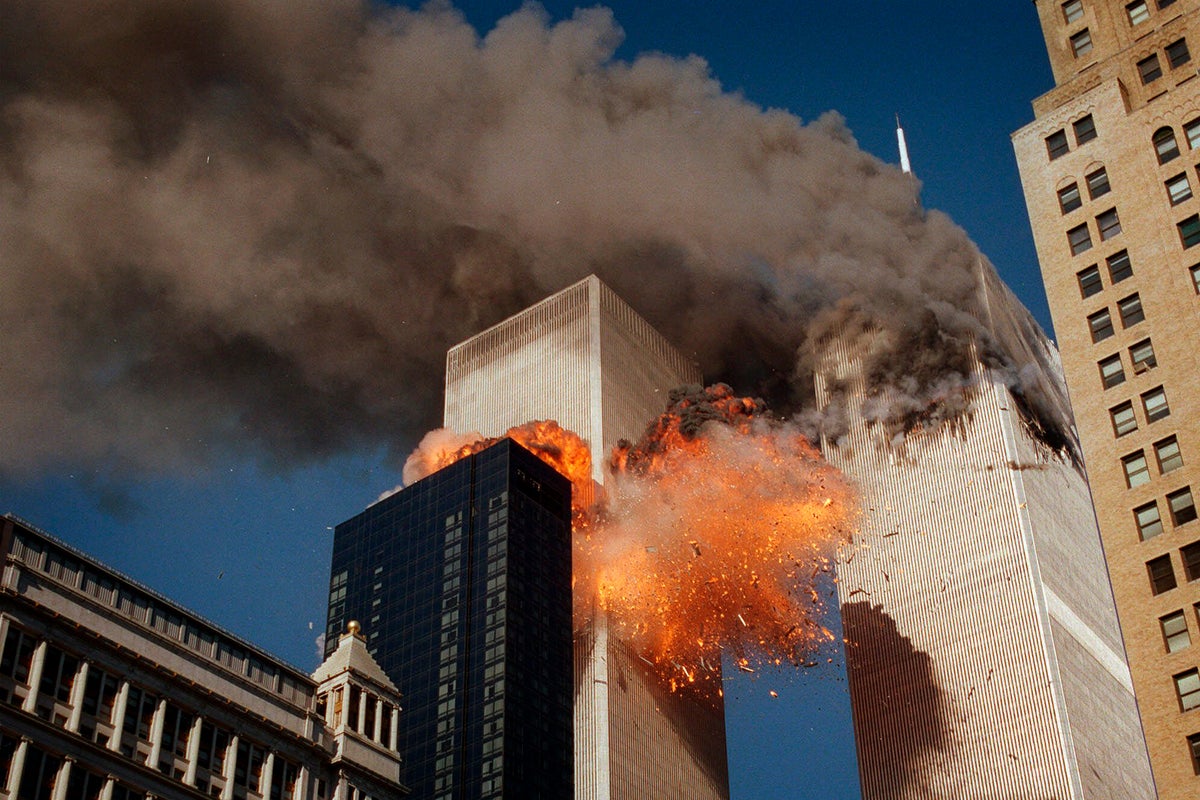
With the 25th anniversary of 9/11 approaching, here is how those tragic attacks, the earlier bombing of Pan Am Flight 103, and subsequent plots fundamentally reshaped airport and airline security. Nearly 13 years before 9/11, a bomb destroyed an American commercial jet flying at 31,000 feet over Lockerbie, Scotland, killing 259 people on board and 11 on the ground. Investigators discovered an explosive hidden inside a radio-cassette player within a suitcase checked in Malta and transferred to Pan Am Flight 103 without a traveling passenger.
The Dec. 21, 1988, attack on the London-to-New York flight "stimulated the most significant changes in aviation security since the early 1970s," former FAA Administrator Jane Garvey told the 9/11 Commission in 2003. The FAA instructed U.S. carriers at European and Middle Eastern airports to X-ray or manually inspect all checked luggage, execute extra random searches, and ensure checked bags belonged to boarded passengers. Prompted by a presidential commission and Congressional legislation, the FAA posted security staff at major domestic and overseas hubs, arranged intelligence-sharing protocols, tightened cargo safeguards, instituted training criteria for private screeners, and researched blast mitigation and explosives-detection systems.
The agency also conducted covert tests on airline and airport security by sending a specialized team "to simulate the criminal and terrorist attacker modus operandi," Garvey testified. On Sept. 10, 2001, the FAA maintained that explosive devices represented the most dangerous hazard facing commercial aircraft and their passengers. "The challenge is not formulating attack scenarios," Garvey said.
"The challenge is figuring out how best to allocate finite resources in an environment of uncertainty." Just over three months after September 11, 2001, Richard Reid, a British national, boarded American Airlines Flight 63 traveling from Paris to Miami with explosives concealed inside his footwear. He attempted to detonate the devices during the flight, but failed to ignite the fuse before passengers and flight crew successfully restrained him. After the December 22, 2001 attempt, aviation officials initially encouraged travelers to voluntarily remove their shoes at checkpoints.
Extract — continue reading at the source.