Twice a week · Essential insights into the unfolding AI revolution. For the past year, a faction of the AI industry bent on unfettered development looked poised to use its wealth to tip the 2026 midterms in its favor. But on Nov. 3, that accelerationist wing could hardly have had a worse night.
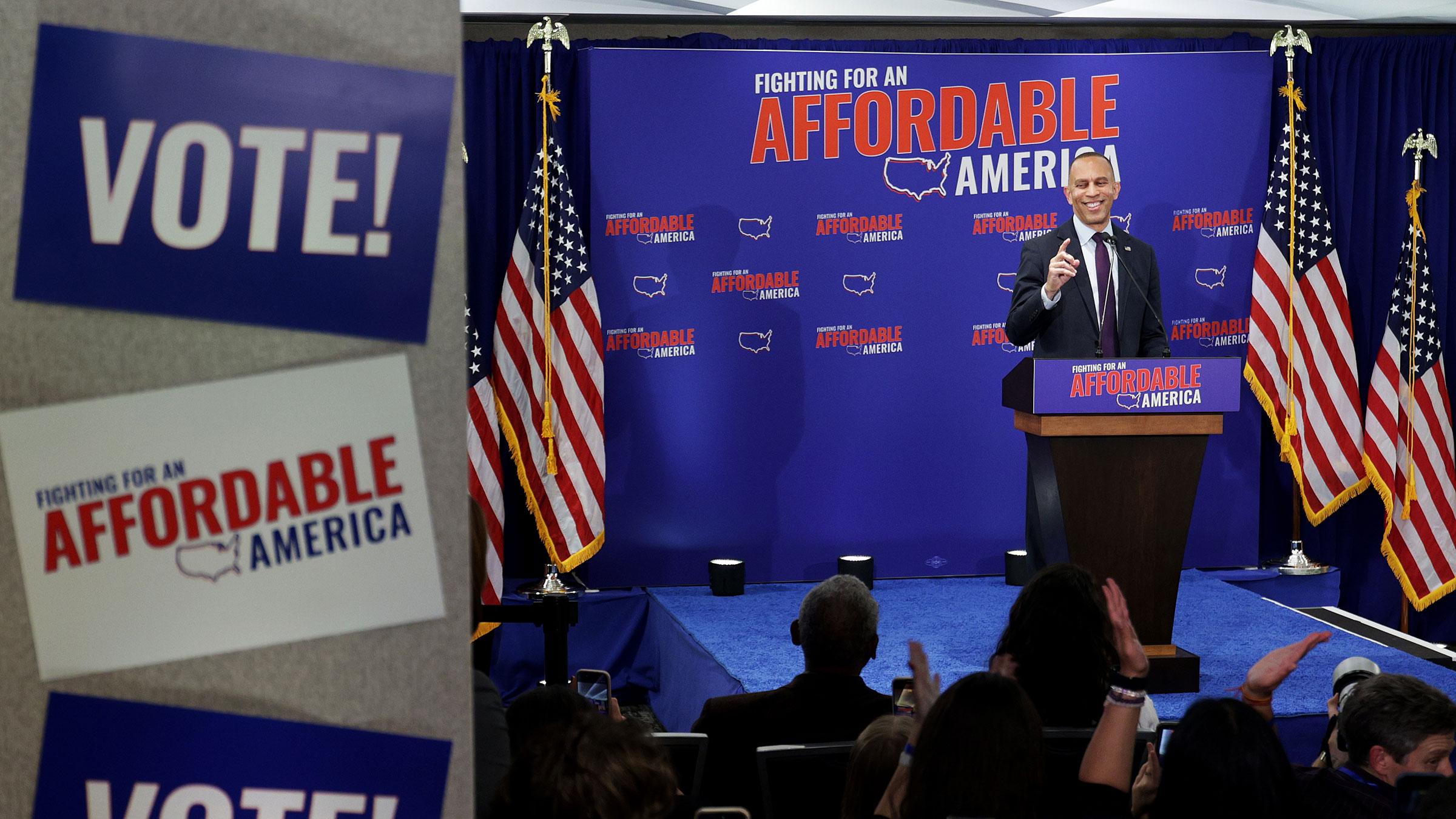
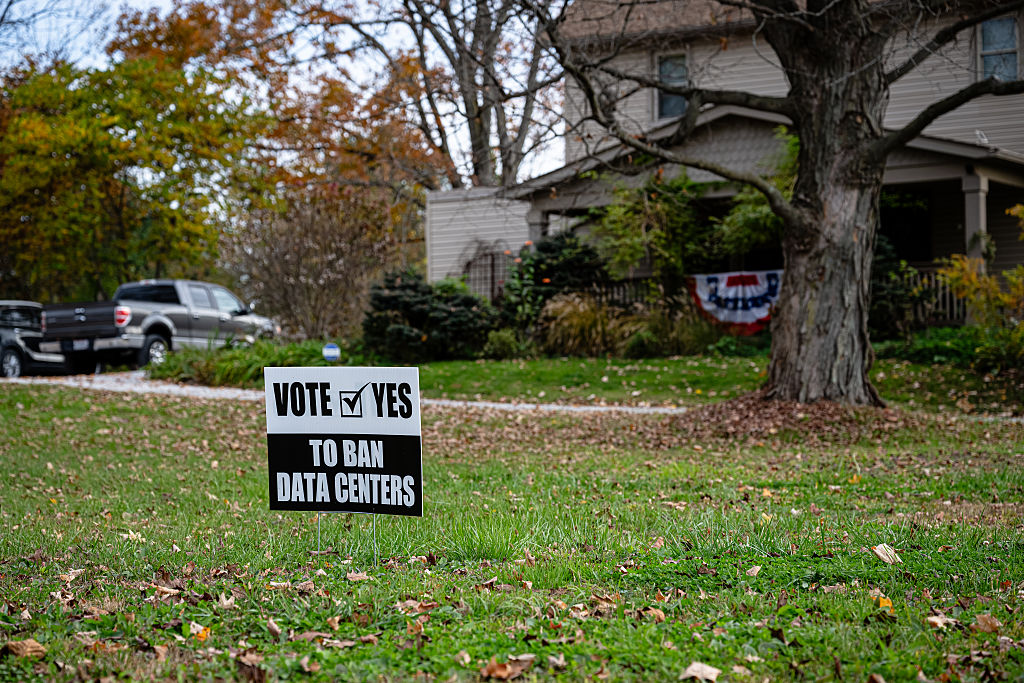
An NBC exit poll found that 56% of voters said that AI and data centers were a “crucial or major factor” in their vote for Congress. Democrats spent more than $100 million on broadcast ads casting their Republican opponents as being overly cozy with Big Tech and data centers—and decisively won in many of those races, including Ohio, Kansas, and Iowa. Data center bans or moratoriums passed in counties across the country, from Edgewater, Fla., to Bloomington, Ill., while the mayors of Piqua, Ohio and Yukon, Oklahoma were recalled for their previous support of data center projects.
Data center and accelerationist super PACs failed to make a major dent in influencing elections through spending. One of the key candidates they spent money on, Darline Graham, lost to Annie Andrews, who nicknamed Graham “Data Center Darline” and called for a two-year moratorium on new projects. The accelerationists' ineffectiveness opened a pathway for “pro-safety” PACs to outspend them in key races.
Several candidates backed by those groups, including Michigan’s Abdul El-Sayed and Colorado’s Manny Rutinel, won. Don’t expect sweeping federal AI regulation soon. Even with both chambers, Democrats need substantial Republican support to pass over a potential Presidential veto.
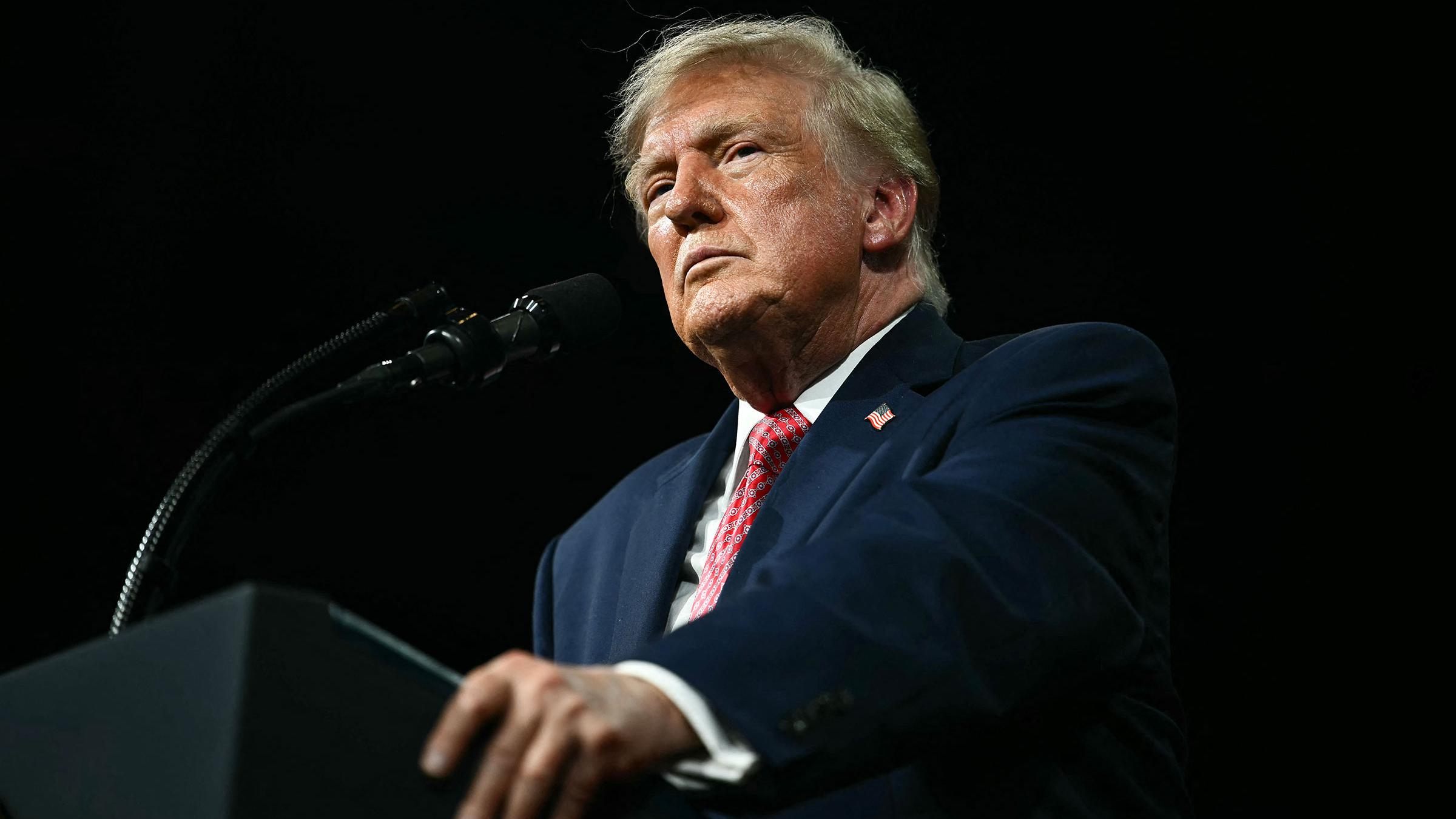
But this election served as the stunning capstone in a year of mounting anti-AI populism, during which Donald Trump has spurred on the industry and said that opponents of data centers“want to end up being backwards and poor.” Now, Congress could haul executives before committees to answer questions and undo Republican efforts to block state-level laws. Even without law change, politicians may think twice before siding with the AI industry. Existential concerns about AI have grown, says Ali Mortell, the firm’s director of research, but data centers’ concrete local impacts—including higher energy bills, noise, and environmental concerns—were far more salient.
Accordingly, Democratic candidates who opposed data centers more strongly than their opponents won in many races. In Ohio, Senator-elect Sherrod Brown ran millions of dollars of ads calling Husted “the face of data centers in Ohio." Brown won by five percentage points. The National Republican Senatorial Committee even acknowledged that Husted’s ties to the industry were a problem, writing in an August memo that “more than any other thing in this race, data centers are the anchor hanging around Husted’s neck.” In Kansas, Cindy Holscher led in the governor’s race on Wednesday morning after running an ad calling for a pause on data centers until Kansas set guardrails to protect its communities, farms, jobs, and budgets.
Extract — continue reading at the source.