During the 19th century, the US government funded more than 500 “Indian boarding schools” aimed at forcibly assimilating Native American children into western culture. Students were taken from their families, frequently by force, and forced to cut their hair. They were stripped of their original names, and taught to feel shame regarding their heritage and customs.
Run like military academies, these institutions required children to wear uniforms and subjected them to severe physical punishment, such as solitary confinement and flogging. Richard Henry Pratt, who established the first of these schools, declared that their explicit purpose was to “kill the Indian, save the man”. These assimilation practices persisted for decades, during which numerous children endured physical and sexual abuse.
At least 1,000 children lost their lives, though the actual casualty count is believed to be significantly higher. The US government issued no formal apology for these atrocities until 2024, when former president Joe Biden described the boarding school system as “one of the most horrific chapters in American history”. Some of the children at these schools were Lenape people, an Indigenous group that live on the north-eastern coast of the US.
In 1874, a Toronto missionary society published a hymnal that translated Christian worship songs into Munsee, one of the languages spoken by the Lenape. The hymnal was part of the state’s attempt to assimilate Indigenous children; they were expected to learn Christian worship songs instead of their own culture’s prayers. Today, the hymnal hangs in a new exhibit at the Museum of the City of New York called Halumii Ktapihna: Lenape Legacies and Futures.
More than 150 years after its publication, the book now serves as the opposite function it was intended for. Rather than forcing Lenape children to learn English, it has become a primary source for Lenape people who are now revitalizing a language that was nearly lost due to systemic racism and genocide. The hymnal, once a symbol of erasure, teaches vocabulary and grammatical structures to a new generation.
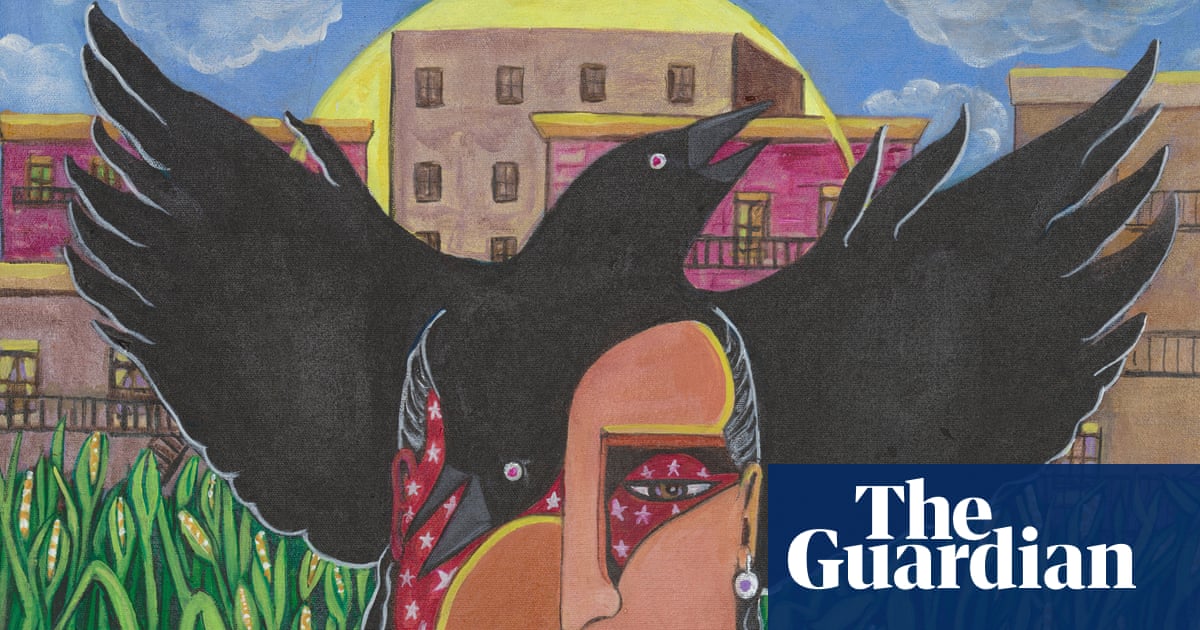
Halumii Ktapihna contains visual art created by Lenape people, along with traditional dress, samples of music, and efforts to revitalize Lenape words and phrases. Next to the hymnal hangs a bolo tie made in 2024 that reads: “We matter.” “Between those two [pieces], there’s a whole history there,” Stonefish added. If most people know anything about the Lenape, it’s their role in New York’s apocryphal origin story: that Manhattan was sold to the Dutch for $24 worth of trinkets.
Extract — continue reading at the source.


