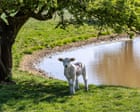
As parts of the UK swelter through a fifth successive climate crisis-driven heatwave and nearly three-quarters of England remains in drought, how are six homegrown products faring? On her farm in Durham on Monday where she was vaccinating sheep, Clare Wise stopped and stood still. For the first time in weeks, it had begun to rain.
Farmers farther south were less lucky, and the continuing drought, as well as causing distress for animals in danger of overheating, is storing up problems for livestock farmers this winter. Grass growth has been about half of what it should be by this time of year and mowing excess grass in summer is where most get their winter feed. Milk production is down, but so far only slightly – by about 1%, according to the Agriculture and Horticulture Development Board (AHDB), as cows have less to eat and are discouraged by the heat.
Sheep shearers have been in short supply, making it difficult for farmers to make their flocks comfortable. For future years, farmers can grow trees and higher hedges to provide shade for their beasts, says Tom Cantillon, an analyst at the Energy and Climate Intelligence Unit (ECIU) thinktank. Some with bigger herds might consider air conditioning in their sheds and milking parlours.
But for many livestock farmers, the fear is that this year is just the beginning. For aficionados of soft fruit, this is turning out to be a glorious summer. Berries are smaller but sweeter as the sunniest July on record in the UK has concentrated flavours.
Strawberries and raspberries have done particularly well; stone fruit such as peaches, greengages and plums have ripened quickly, and cherries and blueberries have been cheap and plentiful. Cider drinkers can also rejoice at the smaller and sweeter apples. Supermarkets tend to choose apples based on size, notes Cantillon, so if fewer of them make the grade, shoppers may be disappointed but drinkers will see the benefits.
The picture is “genuinely mixed” for other produce, says Martin Emmett, the horticulture and potatoes board chair at the NFU. Most fruit in the UK is grown covered on substrate, so a lack of rainfall in the fields has been less of an issue. But horticulturalists are worried about their water supplies.
Extract — continue reading at the source.


