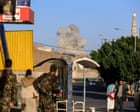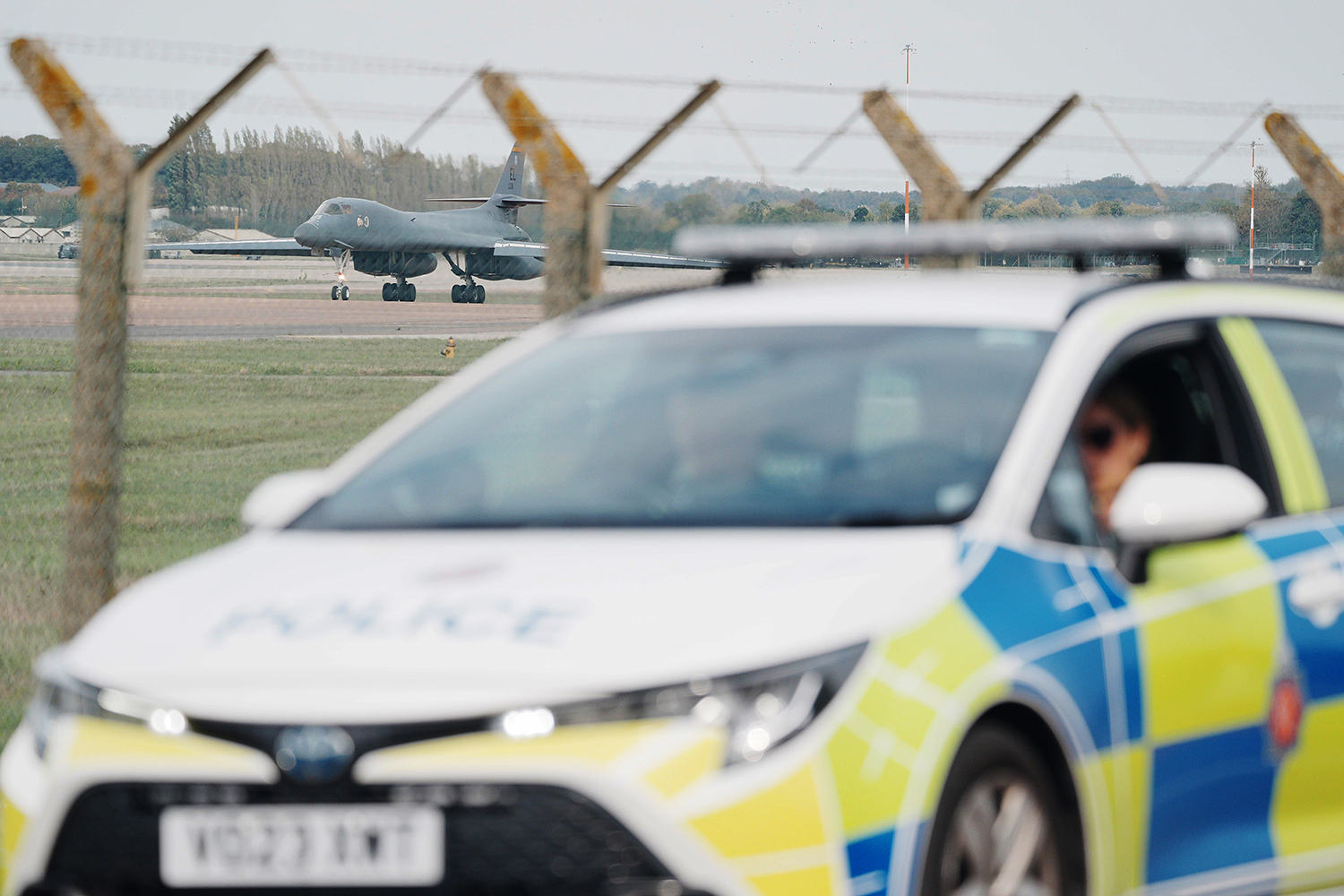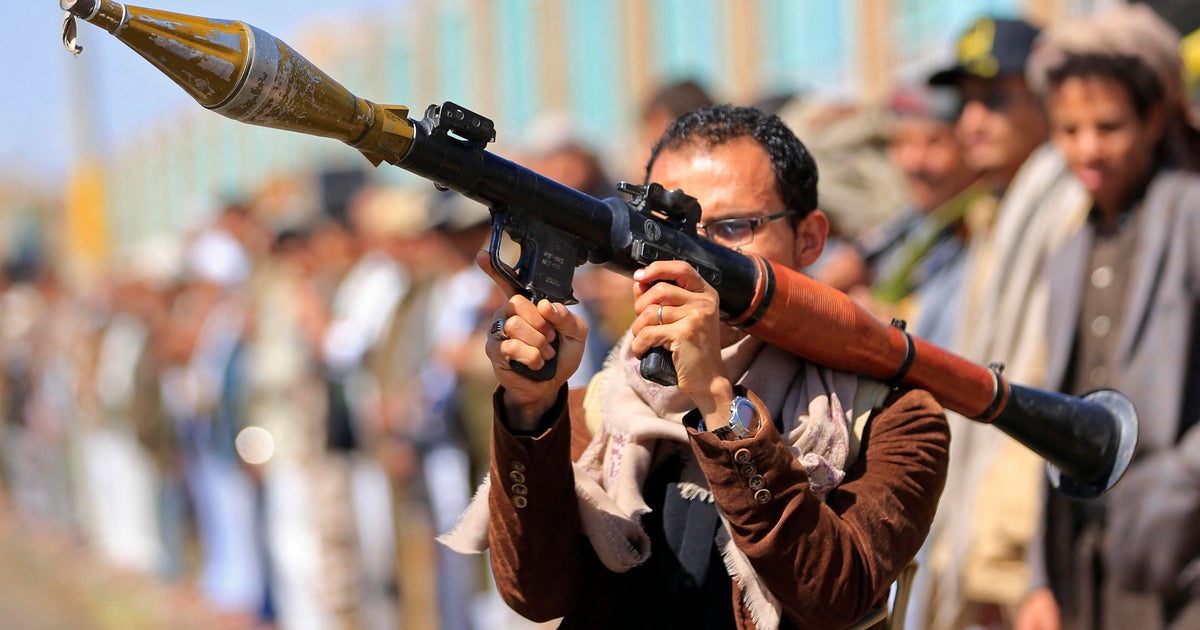
Yemen's Houthi rebels have morphed over the last decade from being a little-known group in northwest Yemen, to Iran's most potent ally in the region and a central opponent of the United States and its allies across the Middle East. While Iran's other proxy forces have been depleted in recent years, the Houthis have taken center stage in the Middle East, offering yet another example of how a smaller, guerrilla-style force that's dug in on the ground can cause asymmetric damage through hard-to-repel aerial attacks. In support of their Iranian benefactors, the Houthis launched initial attacks on Israel not long after the U.S. joined the Jewish state in strikes across Iran on Feb. 28, sparking the ongoing conflict in the Middle East.
Saudi Arabia, one of the world's richest nations and a key American ally, is now bearing the brunt of the Houthis' attacks, which have killed at least 20 people at Saudi airports over the last week. Along with other allied groups, the militants have also attacked Saudi oil infrastructure, helping drive up global energy prices by threatening the Bab el-Mandeb Strait, which, like the Strait of Hormuz, is a key maritime chokepoint for oil and gas shipments. The Saudis have asked the U.S. to join its military operations against the Houthis, and President Trump, who initially rejected the request, said over the weekend that he's considering it.
The Houthis are backed financially and militarily by Iran, officials from the U.S. and Israel, as well as many regional analysts, have said for years. They were once a relatively marginal group within what Iran calls its Axis of Resistance — a loose alliance of anti-Israel, anti-U.S. militant groups that includes Hamas in Gaza and Hezbollah in Lebanon. Both of those U.S.-designated terrorist organizations have been severely weakened by Israeli operations launched in the wake of the Hamas-led attack on Oct. 7, 2023.
The Houthis joined Hamas and Hezbollah's attacks on Israel and became the target of an Israeli counteroffensive, as well as military operations by the Biden and Trump administrations. But unlike Hamas and Hezbollah, the group has rebounded and emerged better armed, battle-hardened and confident. "The Houthis are the most powerful proxy within the Iranian network, hands down," said Mohammed Al-Basha, founder of the Basha Report, a U.S.-based risk advisory group.
"Any U.S. military strategy planning a campaign on Iran will have to take into consideration what the Houthis will do next." After the 2023 attack on Israel, with help from Iran, the group really started gaining capacity and momentum. "Before Oct. 7, we didn't see them getting the newest equipment from Iran. After Oct. 7, they got the best," al-Basha told CBS News, adding that Tehran not only armed the Houthis, but also helped the group hone its skills in penetrating air defenses.
The Houthis started adopting new tactics, including targeting Israel with layered attacks using drones, cruise missiles and then ballistic missiles to overwhelm the country's significant defenses. Now the Houthis are using the same tactics against Saudi Arabia. In the age of asymmetric warfare, the group has also used Yemen's ranking as one of the poorest countries in the world as something of a strategic advantage: They rely on a strongly ideological support base willing to suffer economic pain and isolation if the tradeoff is inflicting great damage to the Saudis and the global economy, said Yoel Guzansky, a senior research fellow focused on Persian Gulf politics and security at the Institute for National Security Studies.
Extract — continue reading at the source.