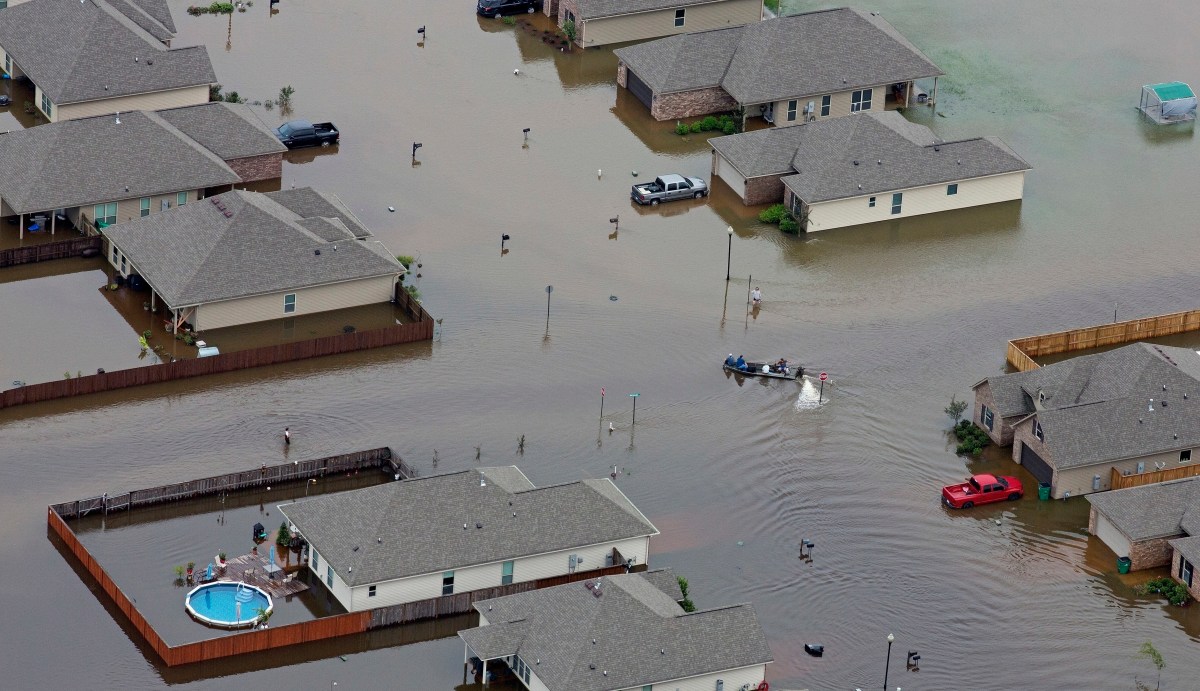
Meteorologists are warning of a “supersized” El Niño potentially bringing heavy rains and flooding to the U.S. in the coming months, with those living in coastal areas facing the greater risks. Fueled by exceptionally warm temperatures in the Pacific Ocean, El Niño, a recurring climate phenomenon resulting from variations in ocean temperatures in the Equatorial Pacific, is set to become “very strong” this fall and winter, according to the World Meteorological Organization (WMO). The science leaves no room for doubt: the planet is in uncharted waters, and those waters are heating up,” United Nations Secretary-General António Guterres said in a statement last week.
Communities across the U.S. are likely to feel the impact of what is expected to be the largest El Niño in at least 1,000 years, which promises to make 2027 an even hotter year than this one - and likely the hottest ever recorded, as climate scientist Gavin Schmidt warned. What will happen next remains unclear, as “no two El Niños are exactly the same,” Scott Handel, lead meteorologist at the National Oceanic and Atmospheric Administration’s (NOAA) Climate Prediction Center, told Newsweek. But given the expected strength of this El Niño event, we can get a pretty good idea of what might occur.
The Northern Rockies and northern Cascades tend to experience a reduced snowpack.” Heavy rain and flooding - which is a concern both for the West Coast and the Southeast, according to Handel - can be particularly devastating for homeowners on the path of destruction. Handel explained: “Heavy rain and flooding could produce mudslides in vulnerable terrain across much of the West Coast and surrounding areas. Increased storminess may produce episodes of high winds along parts of the West Coast.
Severe weather risks may be elevated for parts of the Southeast. The East Coast is more prone to coastal storms. Tree and debris damage from high winds is common across numerous regions, Friedlander added, and “winter storm and freeze losses also tend to spike in areas unaccustomed to sustained cold snaps.” Friedlander urges homeowners to be prepared for flood damage, which requires a separate policy from the National Flood Insurance Program (NFIP) or a private flood insurer - something that many Americans lack.
Despite the growing frequency of severity of flooding across the country, with nearly every U.S. county having experienced flooding in the past few decades, only 4 percent of homeowners nationwide had flood insurance as of 2025, according to the Federal Emergency Management Agency (FEMA). The nation’s flood insurance gap stems partly from the fact that many homeowners can no longer afford additional coverage after years of rising premiums. But it is also driven by a persistent belief that their properties are not at risk of flooding, a misconception that recent disasters have increasingly exposed.
Structures in low-lying areas may be particularly vulnerable,” Denali Pinto, research data analyst at the Scripps Institution of Oceanography at UC San Diego, told Newsweek. Earth movement and landslide damage, which often accompanies saturated soil in heavy-rain events, is typically covered by a difference in conditions policy but may be restricted in high-risk landslide areas like California. Also, clear out your gutters and any drainage near your home.
Extract — continue reading at the source.